Israel Hayom is a media organization founded on the belief that the Israeli public deserves better journalism—more balanced, more accurate, and more reliable. Journalism that speaks rather than shouts. Journalism that is trustworthy, objective, and matter-of-fact. A different kind of journalism, offered free of charge.
The first print edition was published on July 30, 2007, and in 2010 Israel Hayom became the Israeli newspaper with the highest weekday readership. The newspaper’s publisher is Dr. Miriam Adelson. Its Editor-in-Chief is Omar Lachmanovitch, and its founding editor is Amos Regev.
Israel Hayom’s Hebrew and English websites, as well as its Android and iOS applications, provide around-the-clock news coverage, exclusive content, breaking news and updates, analysis and commentary, video, podcasts, and live broadcasts.
The digital platforms of Israel Hayom include news and opinion channels covering culture and entertainment, lifestyle, technology, sports, business and consumer affairs, health, military affairs, food, Judaism, tourism, and automobiles.
In 2021, a new Hebrew-language website and mobile application were launched to provide users with a fast, up-to-date, secure, and convenient experience.
The content of the newspaper’s print edition is also available online through a daily digital edition and can be received via newsletter.
“The Israel Hayom Clique,” the publication’s exclusive benefits club, offers website users discounts and special promotions on products and services.
Israel Hayom welcomes feedback, criticism, and suggestions for improvement from its readers. You can contact the organization by email at hayom@israelhayom.co.il
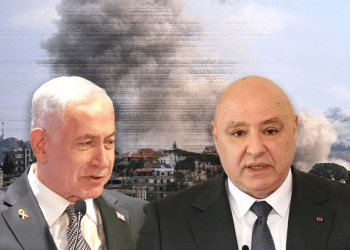
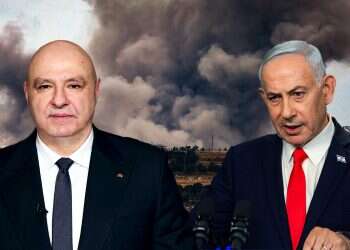
High-level talks in Rome reportedly yield significant breakthroughs regarding the framework agreement, while Beirut firmly rules out any potential meeting between the Lebanese president and Prime Minister Benjamin Netanyahu.
The official described the move as “a gesture of goodwill” toward the Lebanese government. Israel has denied the report, while the IDF stresses: We were not instructed to withdraw.
Lebanese report claims new oversight mechanism will remain strictly military. Washington assures President Joseph Aoun that Beirut retains exclusive negotiating power separate from Tehran.
Shortly beforehand, Defense Minister Israel Katz made clear that Israel had no intention of withdrawing from Beaufort or the security zone in Lebanon. Katz: "It is vital for defending the communities of the Galilee and IDF troops."
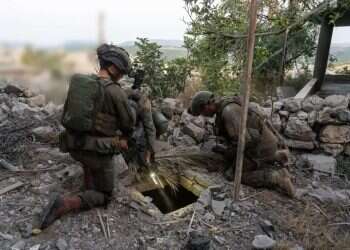
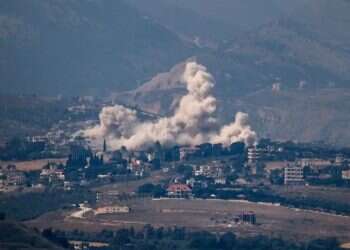
Fifty Iranian drones were found in a massive tunnel in the Shiite village of Majdal Zoun, considered one of the terrorist organization’s most important and secret strongholds. For days, troops from the Yahalom combat engineering unit worked to locate it, eventually finding it near homes, a school and a mosque. The tunnel, which was blocked in an Israeli Air Force strike in 2024, is believed to have been part of Hezbollah’s drone network.
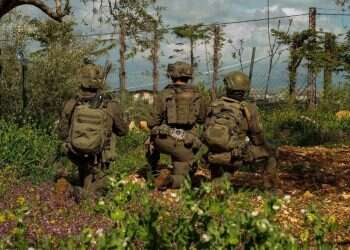
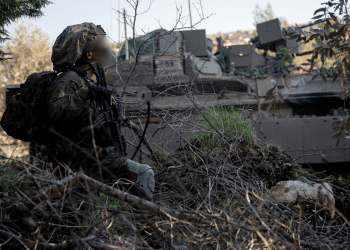
After completing the operation on the Ali Taher ridge and destroying the underground infrastructure, the IDF may recommend to Israel's political leadership to reposition forces along better defensive lines on the yellow line. Israel is making clear that it has no intention of withdrawing from southern Lebanon at this stage, except as part of the talks in Washington and subject to three minimum conditions.
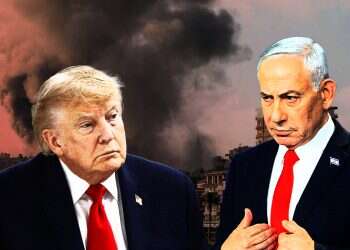
A source close to the White House believes an American demand for the Israel Defense Forces to withdraw from southern Lebanon is only a matter of time. Netanyahu's circle is also preparing for a diktat from Washington, but the prime minister has made clear that leaving the security zone is a "red line." Jerusalem acknowledges the situation with the Americans is "definitely challenging."
Israel Hayom has learned that heavy Iranian pressure to save Hezbollah’s underground complex on the Ali Taher ridge led to the “ceasefire” announced earlier. IDF official: “This is unprecedented infrastructure.”
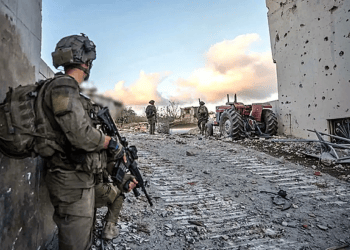
One of the Israel Defense Forces' most significant operations in southern Lebanon is underway in the village of Tebnit, against several dozen Hezbollah terrorists holed up in an underground compound belonging to the Badr Unit. The military describes the infrastructure found there as the unit’s “nerve center” and exceptional in scope. The IDF believes Hezbollah’s pressure to halt the operation stems from concern over a strike on one of its main power centers.