With the takeover and destruction of the underground compound on the Ali Taher ridge complete, the IDF will consider recommending to Israel's political leadership to improve positions and deploy along better defensive lines on the yellow line.
In light of instructions from the political leadership, the IDF has been fully holding its fire since last weekend and therefore cannot use kinetic means against the underground compound located on the Ali Taher ridge in the Beaufort area. Dozens of Hezbollah terrorists are trapped there inside an underground bunker, which the organization used to manage its fire effort against IDF soldiers and communities in northern Israel.
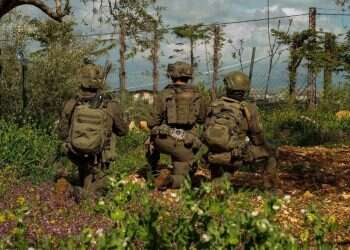
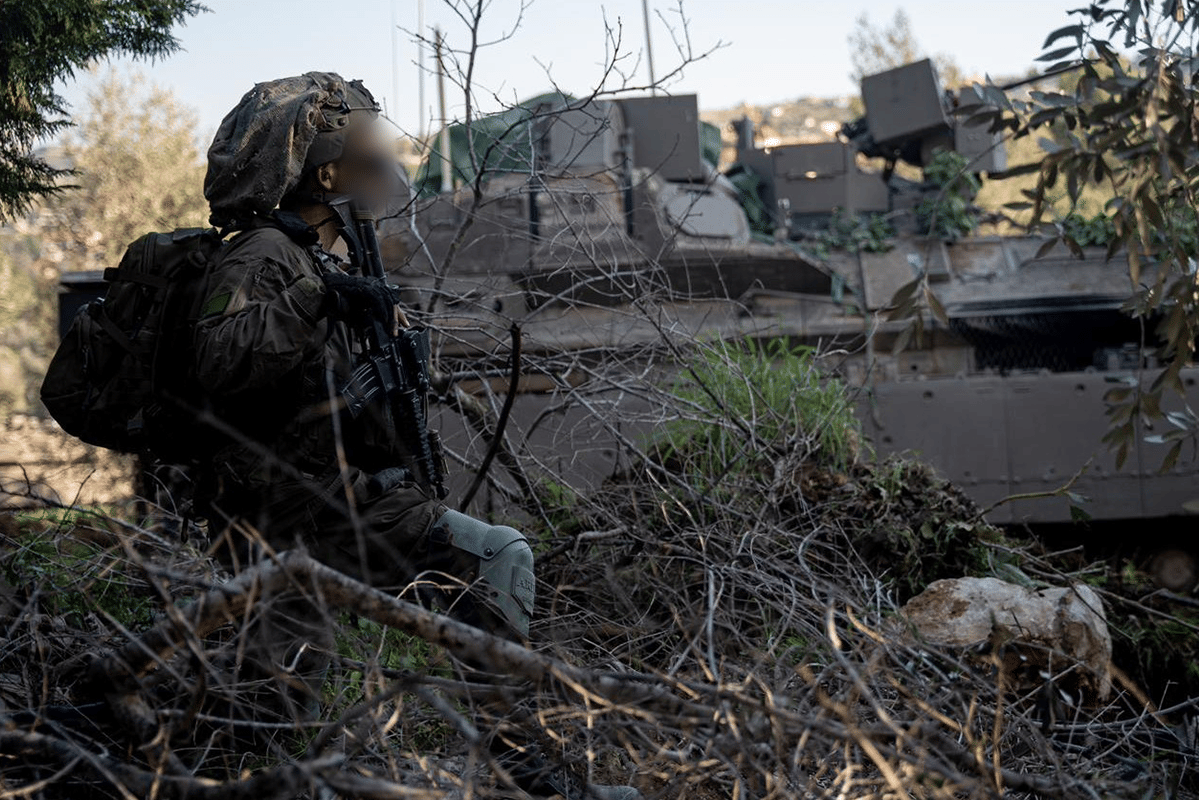
IDF troops are now positioned at all the entrances to the concrete, fortified command post, which Hezbollah built over some 20 years and which includes operations rooms and living quarters. According to IDF officials, the dozens of terrorists underground are under growing distress, and it is no coincidence that they are activating Iran, which is demanding that the US force Israel into a ceasefire in Washington.
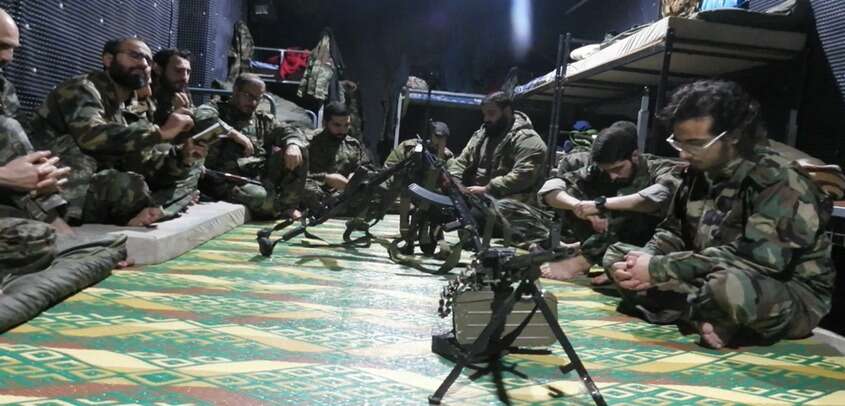
Over the weekend, because of the site's importance, Hezbollah fought for it and, unfortunately, five IDF soldiers fell in battles there on Friday and Saturday alone.
The top ranks of Israel's security establishment do not know how long the trapped terrorists will be able to hold out underground, but what is clear is that the military is preventing them from coming out. The IDF does not intend to withdraw from the site until those terrorists are eliminated or surrender, followed by the destruction of the underground infrastructure.
The crisis over the terrorists trapped on the Ali Taher ridge is somewhat reminiscent of the crisis involving terrorists trapped in Rafah, who were encircled by the IDF for weeks at the end of 2025 and periodically tried to emerge from the tunnel in an attempt to survive or attack troops. Israel insisted that they not be released, and in the end, almost all of them were killed.
However, we are now reporting that once the operation is completed and the underground infrastructure on the Ali Taher ridge is destroyed, the IDF does not rule out recommending to the political leadership that it improve positions in order to deploy along better and more operationally sound defensive lines on the yellow line.
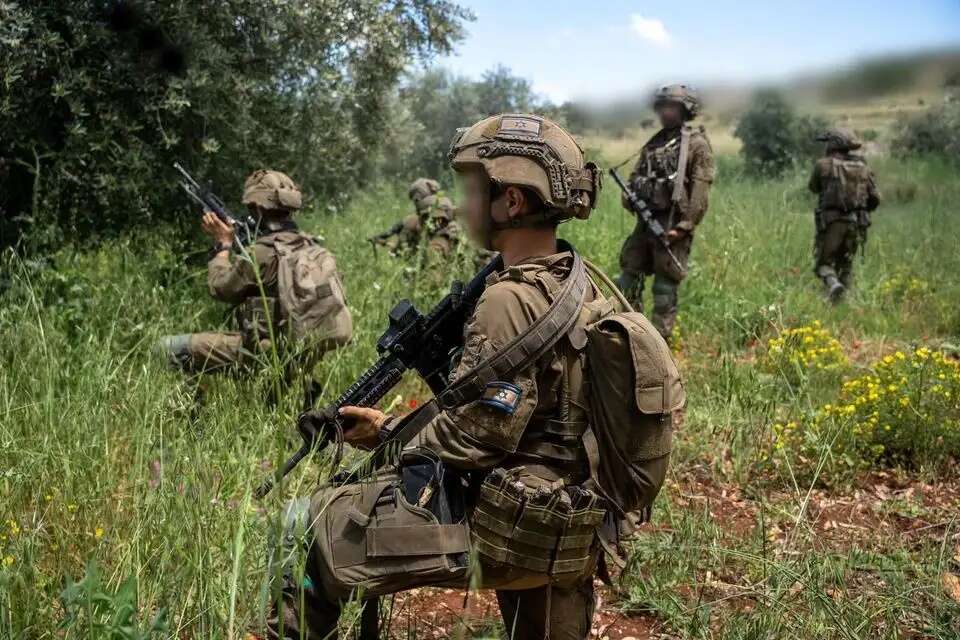
Israel's conditions for withdrawal
There is consensus among the top political and senior military leadership that, as of now, Israel should not withdraw from the yellow line inside Lebanese territory. A certain withdrawal, senior officials say, could take place only as part of the talks taking place in Washington between Lebanon and Israel under US sponsorship, with the aim of severing, as much as possible, the growing link between Iran and Lebanon.
As we are now reporting, Israel has three minimum conditions for withdrawing its forces from southern Lebanon: the withdrawal of all Hezbollah terrorists north of the Litani River; the dismantling of Hezbollah's terrorist infrastructure south of the Litani; and full Israeli freedom of action to remove threats.

At the same time, senior Israeli officials say that in any case, Israel must maintain a forward defensive strip, as it does in Syria and the Gaza Strip. Israel is also willing to examine the possibility of transferring certain areas now controlled by the IDF to the control of the Lebanese Armed Forces as "pilot zones," in order to test whether the Lebanese military can indeed clear areas in southern Lebanon of the enemy.
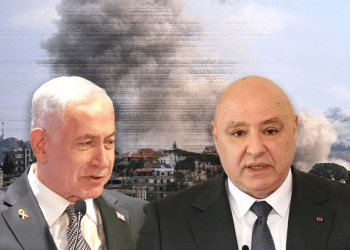
Meanwhile, despite the restrictions imposed on the IDF and the fact that it is holding its fire, Defense Minister Israel Katz continues to say that "there was and is no restriction on IDF soldiers in Lebanon acting to remove threats." He further clarified: "As Prime Minister Netanyahu and I have made clear: Israel will not withdraw from the security zone in Lebanon."
But despite the unequivocal statements, no one can guarantee that Israel will not withdraw from the security zone. In practice, IDF soldiers can act only against immediate threats that endanger their lives while they are on the defensive, while, as the well-known saying goes, the best defense is offense, and there is no doubt that as of now, the IDF is not on the offensive.