Sunday Sep 27, 2026
NEWSLETTER
www.israelhayom.com
  • Home
  • News
    • Israel
    • Israel at War
    • Middle East
    • United States
  • Opinions
  • Jewish World
    • Archaeology
    • Antisemitism
  • Lifestyle
    • Food
    • Travel
    • Fashion
    • Culture
  • Magazine
    • Feature
    • Analysis
    • Explainer
  • In Memoriam
www.israelhayom.com
  • Home
  • News
    • Israel
    • Israel at War
    • Middle East
    • United States
  • Opinions
  • Jewish World
    • Archaeology
    • Antisemitism
  • Lifestyle
    • Food
    • Travel
    • Fashion
    • Culture
  • Magazine
    • Feature
    • Analysis
    • Explainer
  • In Memoriam
www.israelhayom.com
Home News Israel Israel at War Lebanon War

2 years after Nasrallah, Hezbollah's Shiite backers ask who really failed them

Two years after Nasrallah's assassination, it's time to point the finger at who's truly responsible for the Shiite disaster in South Lebanon. The weapons that were supposed to defend South Lebanon have instead left its Shiite communities paying the price of Hezbollah's wars.

by  Dr. Noa Riven
Published on  09-27-2026 10:50
Last modified: 09-27-2026 11:38
2 years after Nasrallah, Hezbollah's Shiite backers ask who really failed themAPA

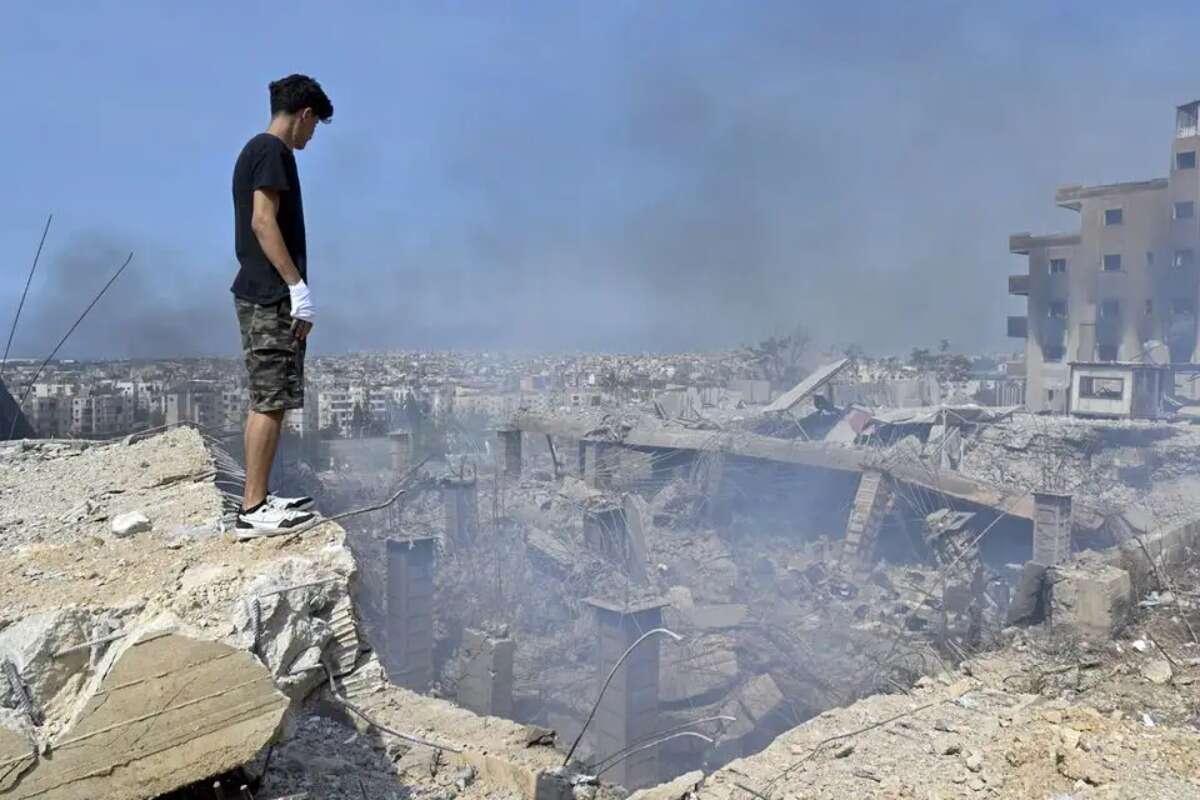
The site where Hassan Nasrallah was killed in Beirut’s Dahiyeh district. | Photo: APA

Share on FacebookShare on Twitter

Sunday marks two years since the assassination of Hassan Nasrallah, Hezbollah's longtime secretary-general. Two years on, it is time to address a legacy Hezbollah finds far less comfortable to discuss – the Nakba of the Shiites in South Lebanon, and the responsibility of the organization that vowed to protect them.

For more than three decades, Nasrallah tied Hezbollah's weapons to the defense of Lebanon, and especially of the south. After the 2006 war, when the question of disarming the organization resurfaced, he asked who would defend Lebanon if Israel attacked. Could the Lebanese army do it? Would UNIFIL (the United Nations Interim Force in Lebanon) protect it? He presented the weapons of "the resistance" as part of a force meant to "defend Lebanon," and justified his men's continued presence in the south as their right to "defend our land."

That was one of the great promises of the Nasrallah era, that the weapons were meant to protect. But Nasrallah is now gone, and it is precisely the community on whose land the "resistance" project was built that has been left to pay an enormous share of the toll, in destroyed villages, demolished homes, uprooted families and a south struggling to rebuild. The question now is no longer only who the weapons were supposed to protect them from, but also who protected the Shiites from the price of Hezbollah's own decisions.
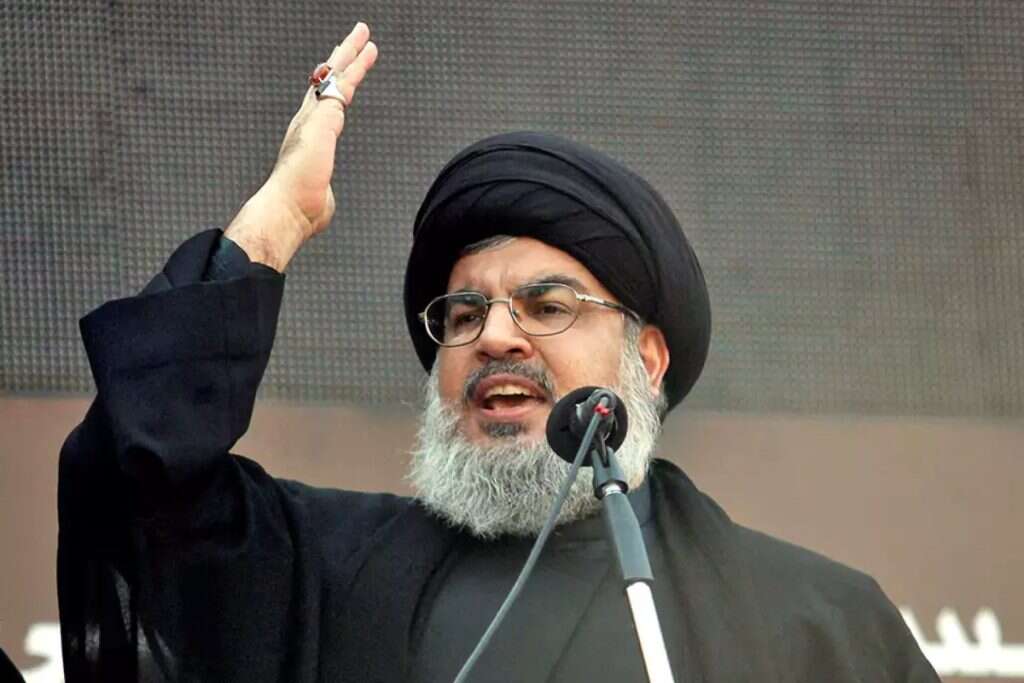
Hassan Nasrallah (archive). Hezbollah made the decisions, while the Shiites paid the price (Reuters). Reuters

On October 8, 2023, Hezbollah decided to open a front against Israel in the name of solidarity with Gaza. That was not a decision made by the Lebanese government or its army. Among those who paid the price were the residents of southern Lebanon. In the campaign that resumed in March 2026, masses of Shiites again found themselves displaced from their homes, once more as a result of a military decision they had no part in making.

Israel is responsible for its strikes and for the destruction it caused in Lebanon. But that responsibility does not absolve Hezbollah from answering why it repeatedly turned Shiite villages into a front in wars that extend beyond Lebanon's borders.
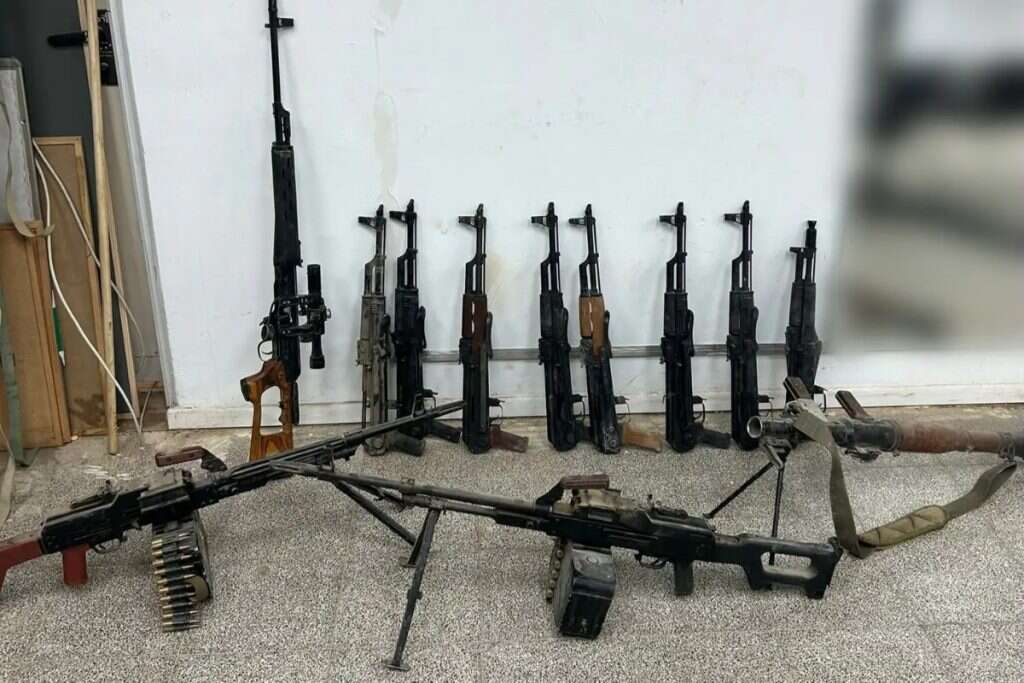
Weapons and military equipment discovered in southern Lebanon (IDF Spokesperson's Unit).

"Zero and nothing"

Sheikh Mohammad al-Hajj Hassan (a Lebanese Shiite cleric who heads the "Free Shiite Current," already defined the community's situation in 2024 as a "real Nakba." Asked what Hezbollah's weapons had given him "as a Shiite and as a Lebanese," he replied, "The result is zero, and nothing."

A Shiite activist from the south wrote bluntly on X, that for years Hezbollah faced a choice between investing in its people, in agriculture and in infrastructure, or investing in tunnels and wars. "They chose to dig beneath the ground instead of building above it."
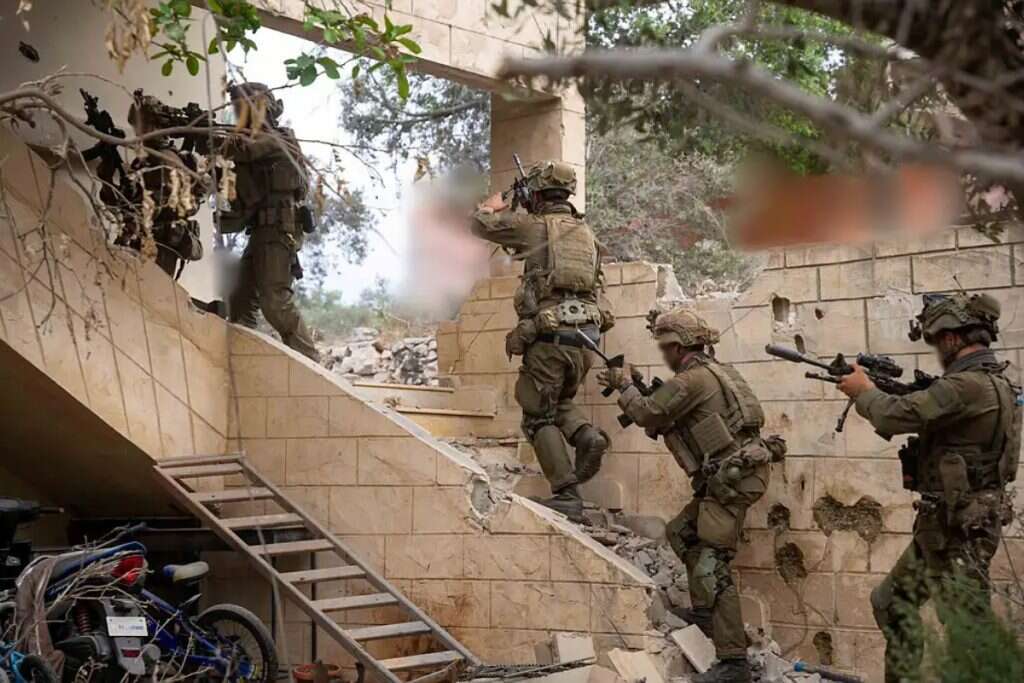
IDF soldiers in southern Lebanon (IDF Spokesperson's Unit). IDF Spokesperson's Unit

These are not the voices of people unfamiliar with the south. They are voices from within Shiite society itself, seeking to reckon with the price the community paid in the name of its own defense. This does not mean that all Shiites oppose Hezbollah; the organization still commands significant support. But that support does not grant it ownership over the community, nor does it absolve it of responsibility for its fate.

Two years after Nasrallah, it is time to stop talking about the Shiites and about Hezbollah as though they were one and the same body. The Shiites did not bring the catastrophe of South Lebanon upon themselves. Hezbollah made the decisions, and they were the ones required to pay the price.
Tags: 09/27Hassan NasrallahHezbollahMohammad al-Hajj HassanSouth Lebanon

Related Posts

Report: Israeli withdrawal from Lebanon could begin within 'hours'Reuters, AFP

Report: Israeli withdrawal from Lebanon could begin within 'hours'

by Shachar Kleiman

High-level talks in Rome reportedly yield significant breakthroughs regarding the framework agreement, while Beirut firmly rules out any potential meeting...

US official: Israel withdraws from parts of security zone in Lebanon

US official: Israel withdraws from parts of security zone in Lebanon

by Lilach Shoval

The official described the move as “a gesture of goodwill” toward the Lebanese government. Israel has denied the report, while...

Tied hands: IDF demolition of strategic terror network in Lebanon halted at last minuteAFP

Tied hands: IDF demolition of strategic terror network in Lebanon halted at last minute

by Ariel Kahana and Lilach Shoval

The operational cancellation directly contradicts statements from Prime Minister Benjamin Netanyahu regarding absolute military freedom of action.

Menu

Analysis 

Archaeology

Blogpost

Business & Finance

Culture

Exclusive

Explainer

Environment


Features

Health

In Brief

Jewish World

Judea and Samaria

Lifestyle

Cyber & Internet

Sports


Diplomacy 

Iran & The Gulf

Gaza Strip

Politics

Shopping

Terms of use

Privacy Policy

Submissions

Contact Us

About Us

The first issue of Israel Hayom appeared on July 30, 2007. Israel Hayom was founded on the belief that the Israeli public deserves better, more balanced and more accurate journalism. Journalism that speaks, not shouts. Journalism of a different kind. And free of charge.

All rights reserved to Israel Hayom

Hosted by sPD.co.il

  • Home
  • News
    • Israel at War
    • Israel
    • United States
    • Middle East
    • Sports
  • Opinions
  • Jewish World
    • Archaeology
    • Antisemitism
  • Lifestyle
    • Food
    • Travel
    • Fashion
    • Culture
  • Magazine
    • Feature
    • Analysis
    • Explainer
    • Environment & Wildlife
    • Health & Wellness
  • In Memoriam
  • Subscribe to Newsletter
  • Submit your opinion
  • Terms and conditions

All rights reserved to Israel Hayom

Hosted by sPD.co.il

Newsletter

[contact-form-7 id=”508379″ html_id=”isrh_form_Newsletter_en” title=”newsletter_subscribe”]

  • Home
  • News
    • Israel at War
    • Israel
    • United States
    • Middle East
    • Sports
  • Opinions
  • Jewish World
    • Archaeology
    • Antisemitism
  • Lifestyle
    • Food
    • Travel
    • Fashion
    • Culture
  • Magazine
    • Feature
    • Analysis
    • Explainer
    • Environment & Wildlife
    • Health & Wellness
  • In Memoriam
  • Subscribe to Newsletter
  • Submit your opinion
  • Terms and conditions

All rights reserved to Israel Hayom

Hosted by sPD.co.il