Israel Hayom is a media organization founded on the belief that the Israeli public deserves better journalism—more balanced, more accurate, and more reliable. Journalism that speaks rather than shouts. Journalism that is trustworthy, objective, and matter-of-fact. A different kind of journalism, offered free of charge.
The first print edition was published on July 30, 2007, and in 2010 Israel Hayom became the Israeli newspaper with the highest weekday readership. The newspaper’s publisher is Dr. Miriam Adelson. Its Editor-in-Chief is Omar Lachmanovitch, and its founding editor is Amos Regev.
Israel Hayom’s Hebrew and English websites, as well as its Android and iOS applications, provide around-the-clock news coverage, exclusive content, breaking news and updates, analysis and commentary, video, podcasts, and live broadcasts.
The digital platforms of Israel Hayom include news and opinion channels covering culture and entertainment, lifestyle, technology, sports, business and consumer affairs, health, military affairs, food, Judaism, tourism, and automobiles.
In 2021, a new Hebrew-language website and mobile application were launched to provide users with a fast, up-to-date, secure, and convenient experience.
The content of the newspaper’s print edition is also available online through a daily digital edition and can be received via newsletter.
“The Israel Hayom Clique,” the publication’s exclusive benefits club, offers website users discounts and special promotions on products and services.
Israel Hayom welcomes feedback, criticism, and suggestions for improvement from its readers. You can contact the organization by email at hayom@israelhayom.co.il
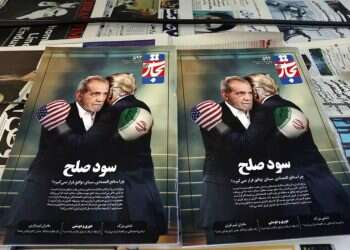
Iran and the US are holding quiet contacts mediated by Oman, Qatar and apparently also Turkey, aimed at reaching a diplomatic solution to the nuclear issue and other matters on the agenda. Sources say Iran is showing flexibility, pointing to intense pressure on the regime
The US is expected to present Iran with preconditions as a requirement for entering talks, including an end to the use of live fire to suppress protests, immediate readiness to hand over enriched uranium, and the termination of its long-range missile project.
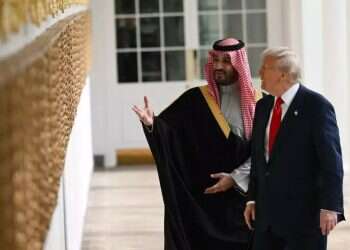
The Lebanese newspaper Al Akhbar reported that Saudi Crown Prince Mohammed bin Salman received Washington’s approval to negotiate with Iran on a new nuclear agreement. According to the report, bin Salman convinced President Donald Trump that such an initiative is necessary for regional stability.
The mission follows the unsuccessful attempt by Massimo Aparo, chief inspector under IAEA Director General Rafael Mariano Grossi, to persuade Iran to restore monitoring following the 12-day conflict between Israel and Iran in June, according to three diplomats cited by Bloomberg.
The foreign minister of the Islamic Republic told the Financial Times that his country would not agree to return to "business as usual" with Washington untll the US guarantees not to carry out similar attacks, in addition to compensating Iran for the damages.
The Trump administration is discussing a proposal to assist Iran with a sum of up to $30 billion for building a civilian nuclear energy program, sanctions relief, and release of billions of dollars in restricted Iranian funds – all as part of a mounting effort to return Tehran to the negotiating table.
"I don't know," Trump tells interviewer regarding whether Tehran would agree to terminate its nuclear operations, staying mum on consequences of failure to compromise and accusing Tehran of "delaying."
Tehran is expected to submit a counterproposal by tomorrow, in what could mark a decisive moment in ongoing negotiations. Iran currently possesses enough enriched uranium to produce 10 nuclear bombs and is generating sufficient material for an additional bomb each month.
“National independence means that the Iranian nation stands on its own feet," the supreme leader said in speech commemorating the founder of the republic, adding that "a nuclear program without enrichment is useless."
An official from an Arab state revealed that the Americans are proposing to transfer uranium enrichment to a facility that would be built on an island in the Gulf, though it's doubtful Tehran will agree.