Israel Hayom is a media organization founded on the belief that the Israeli public deserves better journalism—more balanced, more accurate, and more reliable. Journalism that speaks rather than shouts. Journalism that is trustworthy, objective, and matter-of-fact. A different kind of journalism, offered free of charge.
The first print edition was published on July 30, 2007, and in 2010 Israel Hayom became the Israeli newspaper with the highest weekday readership. The newspaper’s publisher is Dr. Miriam Adelson. Its Editor-in-Chief is Omar Lachmanovitch, and its founding editor is Amos Regev.
Israel Hayom’s Hebrew and English websites, as well as its Android and iOS applications, provide around-the-clock news coverage, exclusive content, breaking news and updates, analysis and commentary, video, podcasts, and live broadcasts.
The digital platforms of Israel Hayom include news and opinion channels covering culture and entertainment, lifestyle, technology, sports, business and consumer affairs, health, military affairs, food, Judaism, tourism, and automobiles.
In 2021, a new Hebrew-language website and mobile application were launched to provide users with a fast, up-to-date, secure, and convenient experience.
The content of the newspaper’s print edition is also available online through a daily digital edition and can be received via newsletter.
“The Israel Hayom Clique,” the publication’s exclusive benefits club, offers website users discounts and special promotions on products and services.
Israel Hayom welcomes feedback, criticism, and suggestions for improvement from its readers. You can contact the organization by email at hayom@israelhayom.co.il
Yusuf al-Qaradawi, 94, was seen for years as the ultimate religious authority by Hamas. In 2001, he ruled that Palestinian men and women could carry out suicide attacks against Israeli civilian targets, a ruling he revised years later.
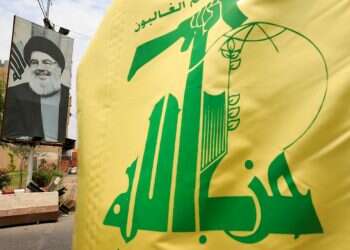
Lebanese terrorist group issuing ration cards for food, importing medicine, and readying storage for fuel from its patron Iran in preparation for all-out collapse of fracturing state.
Earlier this week, Iranian authorities claimed they could enrich to 90% "if they wanted," and called to step up enrichment following a suspected cyberattack at the Natanz nuclear reactor.
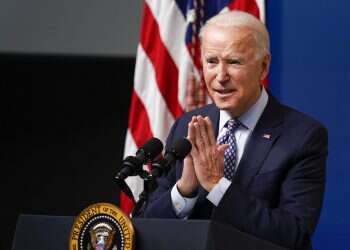
“The core of the administration's Iran strategy is a devil's bargain that will funnel billions into Iran's imperial project across the Middle East in exchange for a temporary reprieve from Iran's relentless march towards nuclear-weapons capability," said John Hannah, a senior fellow at the Jewish Institute for National Security of America.
Press TV, the Iranian state television’s English-language arm, separately said that the IAEA had been informed of the move. It said the enrichment would begin as of Wednesday.
An explosive device smuggled into Natanz was remotely activated on Sunday and was so damaging that it disabled the facility's main and backup electric systems, the New York Times reports, citing an unnamed intelligence source.
The decree signed by Lebanese Public Works Minister Michel Najjar, however, still requires the signatures of the defense minister, prime minister and president to go into effect.
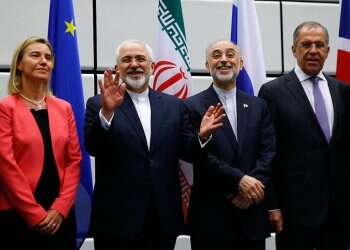
The bloc, which also hit three Iranian prisons with asset freezes, blacklisted Hossein Salami, head of the Revolutionary Guards, the most powerful and heavily armed security force in the Islamic Republic.