Israel Hayom is a media organization founded on the belief that the Israeli public deserves better journalism—more balanced, more accurate, and more reliable. Journalism that speaks rather than shouts. Journalism that is trustworthy, objective, and matter-of-fact. A different kind of journalism, offered free of charge.
The first print edition was published on July 30, 2007, and in 2010 Israel Hayom became the Israeli newspaper with the highest weekday readership. The newspaper’s publisher is Dr. Miriam Adelson. Its Editor-in-Chief is Omar Lachmanovitch, and its founding editor is Amos Regev.
Israel Hayom’s Hebrew and English websites, as well as its Android and iOS applications, provide around-the-clock news coverage, exclusive content, breaking news and updates, analysis and commentary, video, podcasts, and live broadcasts.
The digital platforms of Israel Hayom include news and opinion channels covering culture and entertainment, lifestyle, technology, sports, business and consumer affairs, health, military affairs, food, Judaism, tourism, and automobiles.
In 2021, a new Hebrew-language website and mobile application were launched to provide users with a fast, up-to-date, secure, and convenient experience.
The content of the newspaper’s print edition is also available online through a daily digital edition and can be received via newsletter.
“The Israel Hayom Clique,” the publication’s exclusive benefits club, offers website users discounts and special promotions on products and services.
Israel Hayom welcomes feedback, criticism, and suggestions for improvement from its readers. You can contact the organization by email at hayom@israelhayom.co.il
While the Trump administration celebrates a diplomatic breakthrough, Jerusalem's insistence on demilitarizing the south stands in the way of Ahmed al-Sharaa's ambitions to crush Druze autonomy.
Current momentum of demonstrations does not suggest toppling is likely. According to Israeli sources, while a significant development that requires close monitoring, as of now, the growing consensus is that Tehran's internal tensions will not be directed toward Israel.
Report: Secret meetings between Quds Force and Houthi leaders have focused on graduated escalation scenarios, including maritime disruption in the Red Sea and operations targeting Israeli interests in the Horn of Africa.
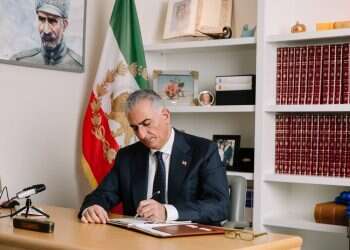
Reza Pahlavi, the eldest son of Iran's last shah before the 1979 revolution, tells supporters now is the time to topple regime. "The Islamic Republic of Iran today is weaker and more divided than at any point since 1979."
The Defense Council warns against "interventionist remarks" from the US and Israel and asserts right to strike first if hostile intent is detected. “Any infringement on national interests, interference in internal affairs or action against Iran’s stability will be met with a proportionate, targeted and decisive response."
A report in the Lebanese daily Al-Akhbar claims agreement stipulates that if Tehran refuses a new deal, new offensive will proceed, with a stark warning issued to Lebanon: Maintain neutrality or face a devastating Israeli offensive against Hezbollah strongholds in Dahiyeh and the Beqa'a.
With a "divine mission" and paranoia, the Iranian leader prepares to abandon Tehran for Russia if his grip on power falters, echoing Assad's survival tactics, Sunday Times reports.
Amid pressure from President Donald Trump’s envoys Jared Kushner and Steve Witkoff, Prime Minister Benjamin Netanyahu may authorize the reopening of the crossing. If and when that happens, its operating framework would be far more effective from Israel’s perspective than in the past, featuring remote oversight, European screening facilities and a secured entry corridor.
Senior Iranian officials who spoke with The New York Times said Iran’s leadership lacks the tools to cope with the crises it is facing, including nationwide protests, a deepening economic emergency and the prospect of another round of confrontation with Israel and the US.