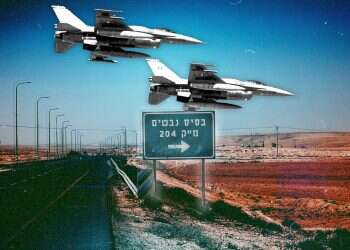
The enemy that has been setting our fields ablaze with incendiary kites has created a clear challenge for Israeli policymakers. The cumulative damage inflicted by the kites has turned the Gaza-Israel border area into barren land and has challenged the notion that the Israeli government can provide security for its citizens.
The kibbutzim in the area are right in demanding that the government put an end to this. Yes, the Israel Defense Forces' rules of engagement are decided by the chief of general staff, and should not be formulated by a public debate. That said, in pleading with the government, the kibbutzim are true to their historical pioneering role. This further underscores the fact that the struggle we are facing is a struggle over sovereignty, especially in that area. Nothing is stronger than civilians who refuse to give up and stay on their land.
In 1951, Israel forfeited an area it had sovereignty over, the El Hama area east of the Sea of Galilee. This happened after an IDF force that had been patrolling the area was ambushed, killing seven. Had there been a civilian presence there, this decision may very well have been met with widespread protest by Israelis who would have demanded a more forceful response.
Hamas has been creative and adept at waging this campaign against Israel on the border. On the one hand, it seeks to avoid a full-fledged war, as this would not serve its interests, but on the other hand, it feels compelled to keep the struggle alive. The "kite terrorism" fits perfectly with its strategic rationale.
The kites are a form of attrition that overwhelms the troops and first responders. Moreover, by sending teens to do its bidding, Hamas has forced Israel to deal with a PR challenge and a legal headache.
Although the kites are portrayed as harmless, their scope amplifies their impact. Does a country have the right to safeguard its assets and its sovereignty only in life-threatening situations? The Talmud and Maimonides make reference to the special nature of border communities and the fight over survival they represent.
The rules governing Shabbat permit warfare during the holy day of rest even if the enemy just wants to steal agricultural crops. Even if the enemy does not threaten anyone directly, and even if stopping its actions technically does not meet the definition of "pikuach nefesh," the concept that saving lives takes precedence over observing Shabbat, Jews are permitted to violate the holy day to fight off the aggressors. This underscores a fundamental insight: Those who cannot protect the small things will ultimately be unable to protect their lives.
In the early days of statehood, IDF Chief of Staff Moshe Dayan explained why Israel was carrying out major retaliatory raids against the Arabs after each incident of terrorism.
"Arab states will not crack down on terrorists until they have a vested interest in doing so; this will happen only when they realize that the theft of a cow from a kibbutz unleashes an attack on one of their cities, and only when they realize that killing a Jew threatens all of Gaza's residents," Dayan said in a 1955 speech.
Stealing cows and burning crops do not in and of themselves pose an existential threat. But their cumulative effect does, and a sovereign state must make this go away.