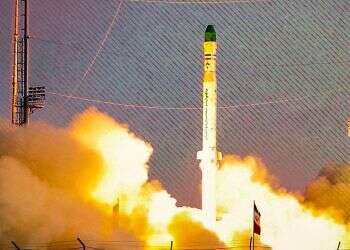
Israel and Iran are spiraling quickly toward a head-on military collision. It's hard to believe the recent exchange of blows, verbal and otherwise, will end in nothing. The mysterious attack on missile stockpiles in Syria and the revelation of Iran's nuclear program have expedited this process.
The news from down south is also discouraging. Israel has waged numerous military campaigns but now finds itself fighting a "battle between battles" in the hope of preventing a broad war. This present campaign consists of a series of actions against terrorist organizations and countries in our region to avoid an irreversible quagmire. It is not clear whether this script can work between us and Iran.
Recently, Israeli TV aired "The Leaders," a series of reports exposing how in the 1990s a series of "battle days" in the north, coupled with the customary Middle Eastern rhetoric, directly led us into war. Today we face a similar situation. On Monday morning, Israelis awoke to the news of another late-night attack in Syria. Later they learned that the prime minister was preparing to deliver a speech at 8 p.m. Considering the current atmosphere, the conclusions were obvious: Something happened; we're headed to war.
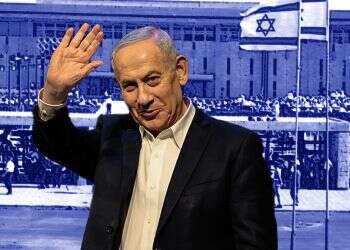
But the public learned that the speech was actually about Iran's nuclear program. The prime minister gave a wonderful performance. The content, the presentation, the dramatization; it all clicked.
The issue is those who were watching their screens, the citizens of Israel, the immediate targets of our enemies. In 1991, the Iraqis were the first to successfully penetrate Israel's air defenses on a large scale, hitting us with 39 Scud missiles. Since then, in every military confrontation we have had, the enemy has targeted the homefront. Israel is a congested, vulnerable country, and understandably is highly sensitive to civilian casualties. The prime minister spoke in English because public relations are important. The Hebrew was put on hold. But it should have been the other way around. The Israeli public needs to be the focus; it has to be prepared.
The social media networks are working in high gear, spreading the word. The government cannot wage any military campaign without the complete backing of a homefront that understands what is happening and is supportive. If the public is ignored or taken for granted, it will react accordingly. The public will determine, through its behavior, the length of the next war and the ability to withstand it. Our political and military leaders would do well to realize this.