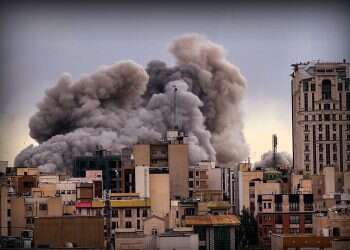
The Hamas terror tunnel destroyed by the IDF this week is the 15th such tunnel exposed in the past year. The IDF is "holding" a few other tunnels, which will likely be demolished at a time convenient for Israel.
Meanwhile, around 20 kilometers (12 miles) of the underwater barrier between Israel and the Gaza Strip has been built. That is close to half the length of the border with Gaza. Officials say the rest should be complete in about a year.
The latest destruction of a tunnel is a signal to Hamas that it is losing its assets and fighting infrastructure. Regardless of the cross-border arson or fence intifada, when considering a large military campaign, time apparently works in Israel's favor. High-ranking IDF officers say the purpose of the Gaza barrier is, among other things, to make things right with the residents of the western Negev, so that if another war erupts, the military will be able to look those residents in the eyes and be able to assure them that a large terrorist infiltration and attack will not occur.
For Hamas, the entire campaign of incendiary balloons, burning tires and explosive devices is a relatively successful alternative to the option of war, which the IDF has negated. Hamas has achieved limited success on the public relations front, although it is paying a very high price. And despite the flame-filled media images, Israel has the endurance to last through this.
The Hamas tunnel threat is becoming a thing of the past. Meanwhile, the militants in Gaza have developed better rocket-based capabilities since 2014's Operation Protective Edge. They have short-range rockets capable of inflicting far more damage than Israel has previously known, which creates a dilemma for Israel over the scope of the next campaign. Some in the Diplomatic-Security Cabinet believe that if we reach that point, the air force should be let loose to wipe out Hamas' combat infrastructure, including its rockets, in a matter of days. The term "let loose" obscures some basic assumptions that raise objections. What the ministers mean, though, is that there would not be a need for a ground operation.
Just a decade or so ago, Hamas was barely able to hit Sderot with a Qassam rocket, yet when it did, Israel was struck with a deep sense of defeat. Today, Israel has to invest a fortune to neutralize the tunnel threat and Hamas can now hit Gush Dan and its rocket payloads are getting heavier.
Gaza appears headed toward becoming a miniature North Korea. This perhaps sounds like hyperbole, but not if we consider what condition Gaza was in after Israel withdrew in 2005.
At a certain point, regardless of any diplomatic arrangement, Israel will have to ask itself if it can stomach having its citizens living under an increasingly severe threat. Can Gaza be demilitarized? Can the various threats be neutralized in exchange for economic rehabilitation?
These options probably aren't feasible. Not when Iran is investing its own fortune and organizational energies to seize control of Gaza.