The narrative surrounding Jewish expulsions throughout history is complex and often misrepresented. A particularly damaging claim is that Jews have been expelled from 109 countries, a notion rooted in antisemitic tropes. This article seeks to unravel the origins and implications of this claim, shedding light on the historical context of Jewish expulsions and the ongoing impact of generational trauma within Jewish communities.
The origins of the 109 trope
The claim that Jews have been expelled from 109 countries is not merely a statistical assertion; it is a Neo-Nazi calling card. This number serves as a weaponization of Jewish history, distorting the realities faced by Jewish communities over centuries. The origin of this trope can be traced back to a hate website in Australia, which has a history of denying the Holocaust and misrepresenting Jewish suffering.
This trope manipulates historical facts, counting individual regions or cities as separate countries and conflating expulsions with other forms of persecution. By presenting this exaggerated narrative, antisemites can claim they are simply pointing out a historical pattern. However, this manipulation of history obscures the real reasons behind Jewish expulsions and perpetuates harmful stereotypes.
The proliferation of the 109 trope highlights the ease with which misinformation can spread in the digital age. Lies can travel rapidly, often outpacing the truth. The 109 claim twists verified historical events into narratives that fuel antisemitic ideologies, providing a facade of plausibility for those who propagate hate.
The pattern of Jewish expulsions
To understand the historical context, examining the pattern of Jewish expulsions is essential. Throughout history, empires have conquered and displaced populations, and Jews have often found themselves in the crosshairs. The Assyrian conquest of the Northern Kingdom of Israel and the Babylonian exile are early examples of such displacements.
The most significant expulsion occurred under the Roman Empire, which destroyed the Holy Temple in Jerusalem and crushed a Jewish revolt, resulting in nearly 2,000 years of exile. This long history of displacement has made Jewish communities vulnerable and often targets for persecution.

The vulnerability of displaced peoples
Displaced individuals are often easy targets for scapegoating. Without a homeland, they are seen as outsiders, even when they have lived in a country for generations. Jews have historically been aware of their status as guests in various nations, which has made them susceptible to fluctuating acceptance.
In Christian Europe, Jews were often the only minority, making them prime scapegoats during times of turmoil. When societal issues arose, anger and fear were directed toward the Jewish community, regardless of their actual involvement in those issues.
The economic context: Jews and money
One significant factor contributing to Jewish expulsions is the economic role Jews played in medieval Europe. Barred from many professions, Jews often found themselves in niches like trade, finance, and medicine. This economic necessity led to the stereotype of the "money-hungry Jew," a notion rooted in historical context rather than inherent behavior.
During the Middle Ages, Christian Europeans could not charge interest on loans, allowing Jews to fill that gap. This economic dependency made Jewish communities valuable but also vulnerable. When rulers needed money, they often exploited Jewish lenders, imposing heavy taxes or canceling the kingdom's debts.
A case study: 13th century England
In an effort to raise funds for expensive religious wars, King Edward I heavily taxed and borrowed from the Jews. After bleeding dry the Jewish community, he banned Jewish money lenders, canceling all debts owed to them and bankrupting them. Once they were no longer economically beneficial, he expelled them from England. There were no Jews in England from 1290 to 1650. The expulsion had nothing to do with Jewish behavior; instead, it had everything to do with their guest and minority status in the country.
The impact of power dynamics
Power struggles among European monarchs also played a role in Jewish expulsions. Monarchs often sought to consolidate their authority by eliminating perceived threats. Jews, being a visible minority, were frequently used as scapegoats in these power plays.
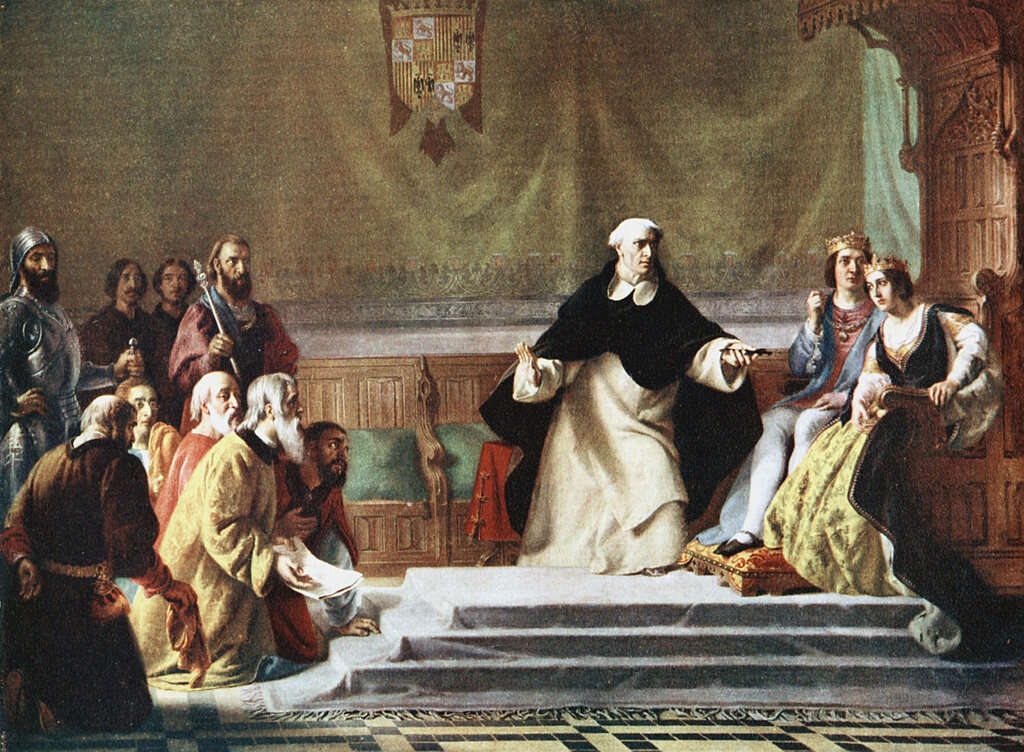
Historical events such as the Crusades and the Inquisition exemplify how Jews were persecuted during times of religious conflict. The expulsion of Jews from Spain in 1492 and their subsequent persecution in various countries reflect how power dynamics influenced their status as a minority.
Modern-day implications of historical trauma
While Jewish communities today may enjoy more freedoms and rights, the historical trauma of expulsions is not easily forgotten. The echoes of past persecutions remain embedded in collective memory and cultural narratives. The expulsions and suffering of previous generations shape the identity and experiences of contemporary Jews.
The legacy of trauma is particularly pronounced in the context of recent events. The expulsion of nearly one million Jews from Arab countries following the establishment of Israel in 1948 serves as a reminder that antisemitism is not confined to history; it persists in modern times.
Confronting intolerance in the present
Understanding the historical context of Jewish expulsions is crucial in confronting modern antisemitism. While some may dismiss the 109 trope as fringe, it draws on a long history of hatred that can manifest in dangerous ways. Recognizing and challenging these narratives is essential for fostering a more inclusive society.
Jewish communities are aware of the potential for hatred to resurface. The memories of past traumas are not just historical curiosities; they serve as warnings. The commitment to confront intolerance and antisemitism is vital in preventing history from repeating itself.