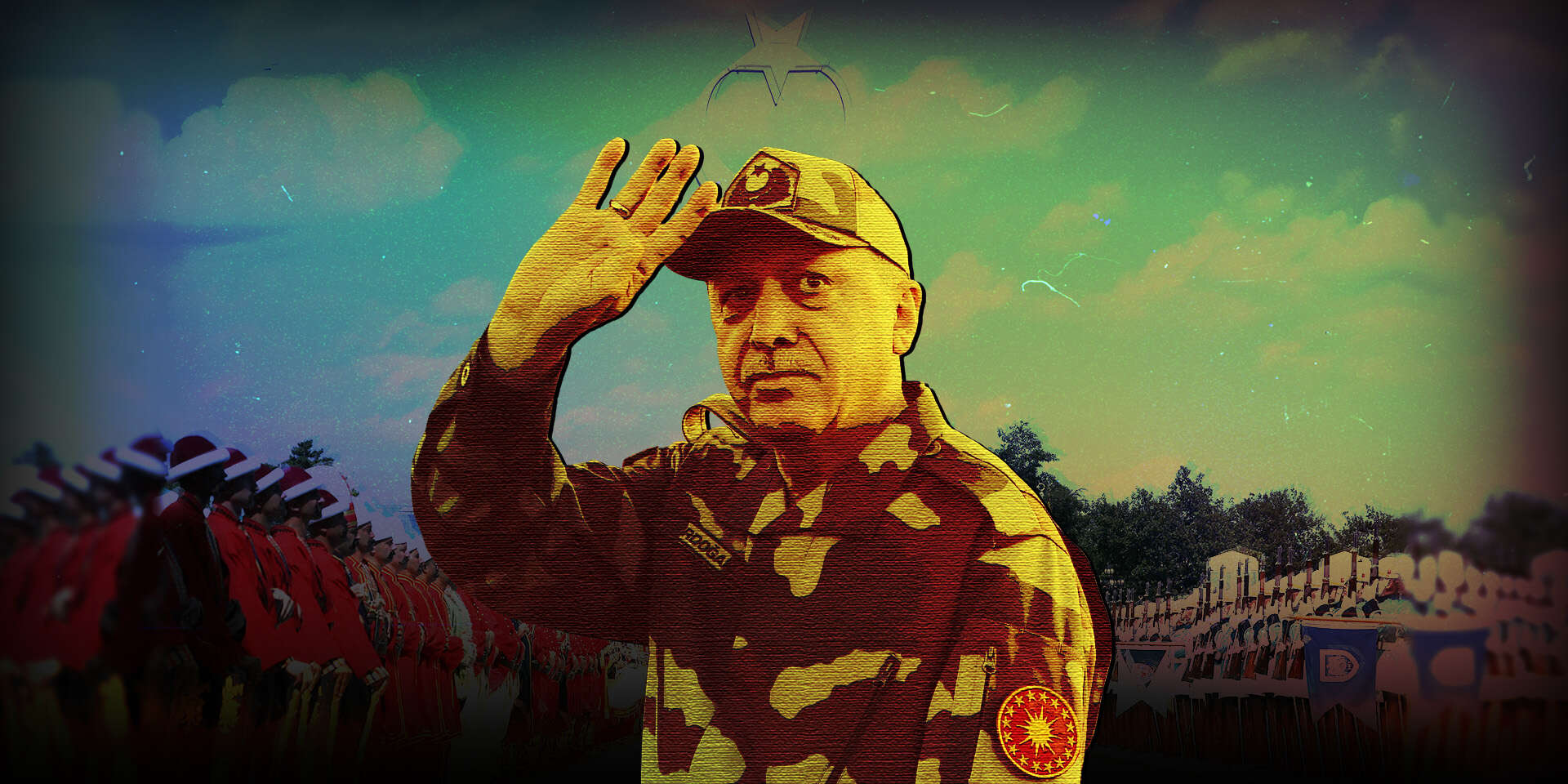
The NATO summit taking place this week in Ankara marks a peak moment for Turkey in general and for its president, Recep Tayyip Erdogan, in particular. While many have criticized the coercive and aggressive foreign policy of the man who sought to restore the glory days of the Ottoman Empire, arguing that it was isolating Turkey and causing it economic harm, it now appears that the country is only consolidating its status as a regional power.
Anyone who has paid even slight attention to developments in the country over the past year can easily say that Turkey is in the midst of an unprecedented process of military buildup and armament, led by the Turkish military industry. In this sense, the NATO gathering in the Turkish capital provides an unprecedented opportunity for Turkish arms companies to increase sales.
"It is inconceivable to establish European security without Turkey," President Recep Tayyip Erdogan said, as he continuously pushed for Turkey's "inclusion" in all European defense and security structures, especially the European Union's €150 billion ($171 billion) SAFE program.
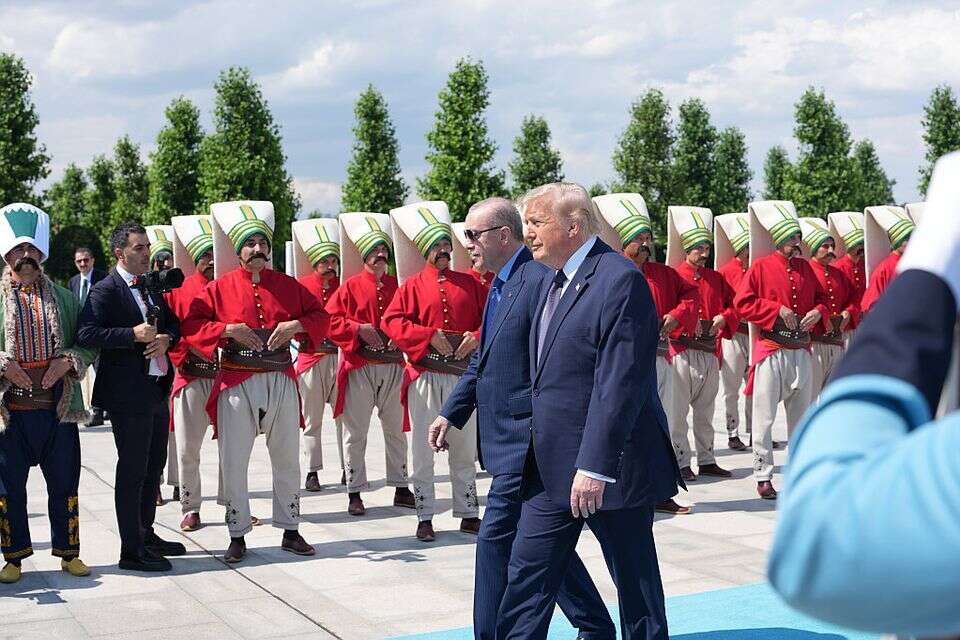
Turkey boasts the second-largest army in NATO after the United States, with 355,000 soldiers and another 378,000 reservists, while its defense industry has flourished markedly over the past decade. But Ankara wants to move beyond the role of supplier to that of a strategic partner capable of dictating policy.
"Turkey has largely remained outside pan-European programs and projects. This is what Turkey wants to change ... and to that end, it will use the summit to showcase its capabilities," said Özgür Ünlühisarcıklı, head of the German Marshall Fund in Ankara.
A larger military budget than all its neighbors combined
Turkey's defense industry, ranked 11th in the world and accounting for 1.8% of the global arms market, according to the Stockholm International Peace Research Institute (SIPRI), saw exports rise by 48% in 2025, compared with 29% a year earlier, officials said.
"We are now achieving in one week what we used to achieve in one year," Erdogan said last month about Turkey's exports of drones, tanks, armored vehicles and warships, one of which was supplied to Romania and became the "first export of a military ship to a European Union and NATO member state." Turkey is also carving out a share of the lucrative market created by the war in Ukraine, supplying Kyiv with Bayraktar drones and building two advanced warships for the Ukrainian navy.

But Turkey does not aspire only to be an arms supplier. It also seeks to become a first-rate military power in the region and perhaps even in the world. Turkey's military spending reached $30 billion in 2025, exceeding the combined defense spending of its close neighbors and marking a significant shift in the regional balance of power, according to recently published data and regional assessments.
The total exceeds the estimated combined military budgets of Greece, Iraq, Azerbaijan, Bulgaria, Armenia, Georgia and other neighboring countries, which together amounted to about $24 billion to $25 billion. The gap points to a growing disparity in defense capabilities across the region, shaped by overlapping security challenges.
Figures published by the Stockholm International Peace Research Institute show that Turkey increased its military spending in 2025 by 7.2% in real terms compared with 2024. Over the past decade, its defense budget has grown by 94%, a significant increase compared with the global rise of 41% over the same period.
"An ambitious foreign policy"
Dr. Assa Ophir, an expert on Turkey from the Department of Middle Eastern Studies and Political Science at Ariel University, explained Turkey's military buildup: "Turkey's military buildup is not a goal in itself. It is a means of supporting an ambitious and revisionist foreign policy, meaning Turkey is a country that seeks to change the existing order. What we can see is that in recent years, Ankara has gradually moved away from the cautious, status quo-oriented foreign policy that previously characterized it. Instead, it has adopted a more independent, more assertive approach, one that seeks to reshape the regional balance of power and that is unwilling to accept not only the regional balance of power, but also the global one.
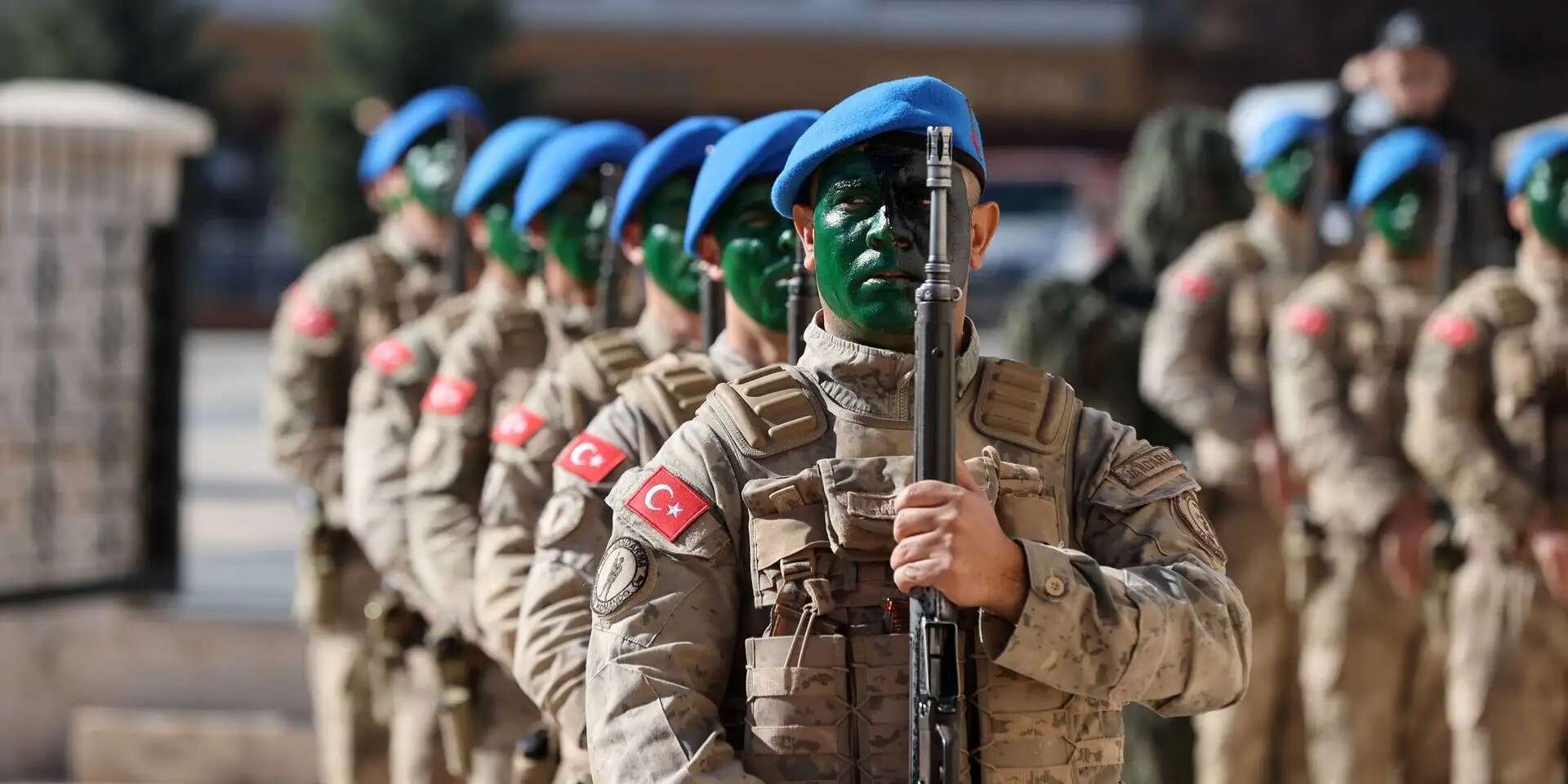
"Turkey's policymakers understand that diplomatic ambition must be backed by military power. If a country seeks to influence events in the eastern Mediterranean, the Black Sea, the Caucasus, the Middle East, the Balkans and, increasingly, Africa and Central Asia, it needs military power capable of projecting force far beyond its borders. That is why the military buildup is taking place. It serves as the basis for Turkey's broader geopolitical ambitions," Ophir explained.
NATO as a springboard
As representatives of NATO countries meet in Ankara, it is important to remember that Turkey's membership in the alliance is what largely enabled Ankara to stand at the forefront of the world stage today. A comprehensive article published by the Greek newspaper Demokratia revealed how, since the 1950s, membership in the alliance helped Turkey maintain an army far larger than those of other countries in the region, and how Erdogan succeeded in using NATO's umbrella to build a regional power.
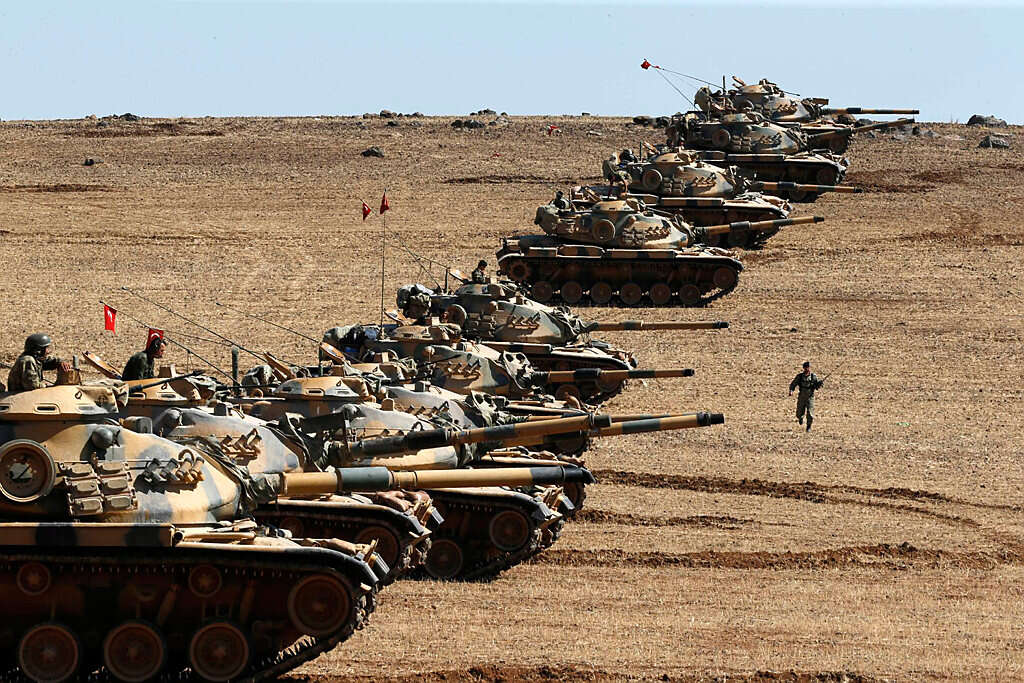
"NATO membership significantly advances and strengthens the Turkish military. Since joining NATO, the Turkish military has benefited from the ability to participate in joint exercises, from standardization, intelligence-sharing and the development of interoperability with the most advanced militaries in the world. The Turks receive a defense network against military threats. Originally, Turkey sought to join NATO in 1952 because of its fear of the Soviet Union, which was then the main threat to it. NATO military bases were established on Turkish soil, with American aircraft and US nuclear missiles," Ophir said.
Today, it seems that Turkey no longer views Russia as a threatening country. But NATO continues to prove itself even now as a body that provides effective protection for Turkey. During the current war between Iran and Israel, the Iranians fired several ballistic missiles toward Turkey. The systems that intercepted those missiles were NATO air defense systems. The Turks contained the incident. In other words, without NATO's air defense systems, Turkey would be in a very different place today," the expert explained.