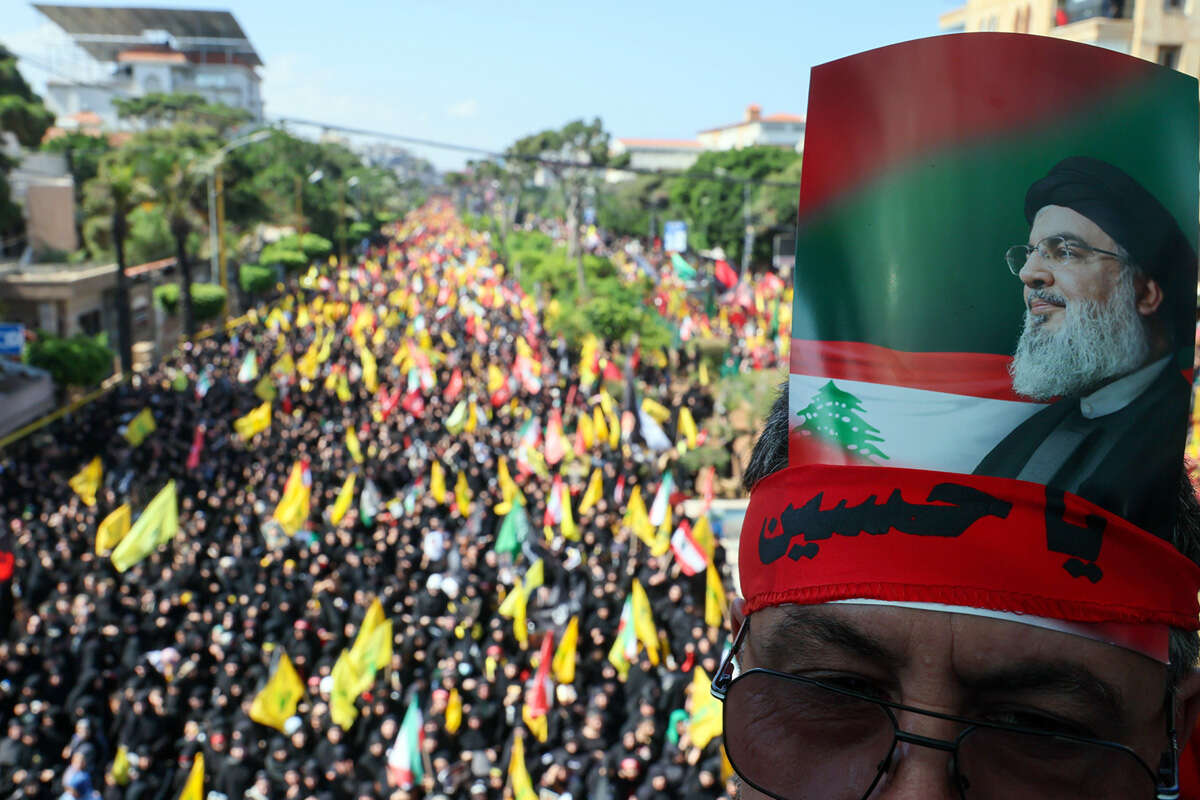
The framework agreement between Israel and Lebanon has revived the specter of civil war in the Land of the Cedars. While the Hezbollah camp has raised the threat of internal confrontation and sent people into the streets, its opponents have stressed that everything Beirut has committed to was already included in the Taif Agreement, which ended the previous civil war.
As part of that agreement, Lebanon pledged to dismantle all militias in the country, a commitment that was implemented only to a very limited extent. At the same time, intermediate voices criticized the agreement but emphasized the need for pragmatism. So what does the balance of power in Lebanon look like in the shadow of the agreement?
Hezbollah
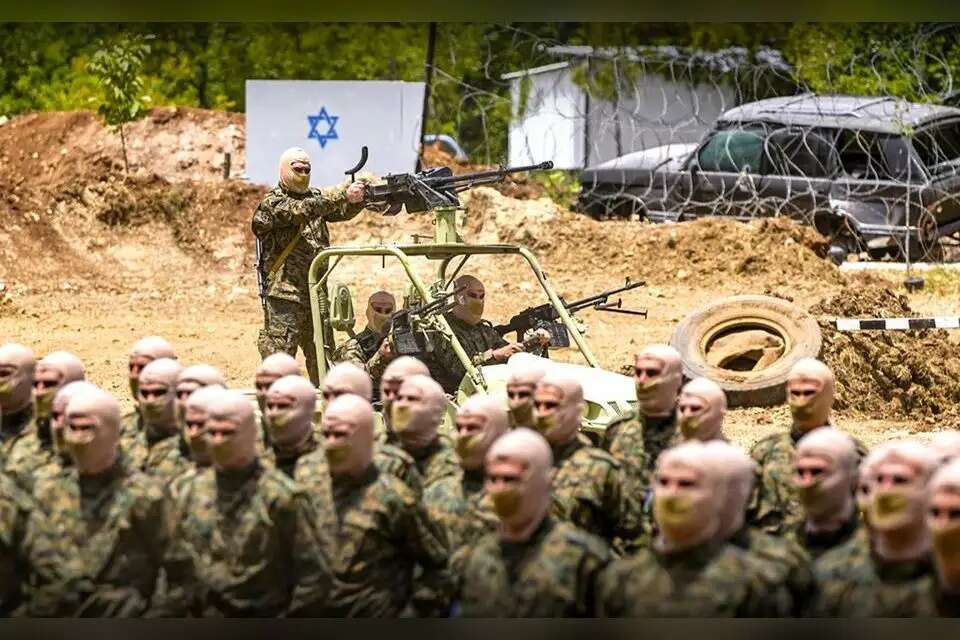
Despite the heavy blows it has suffered, the terrorist organization still has tens of thousands of armed men, an arsenal of missiles and UAVs, and loyal elements within the military and security establishment. In addition, it enjoys a budget of $2 billion in 2025, courtesy of the Islamist regime in Iran. Hezbollah is also backed by officers from Iran's Islamic Revolutionary Guard Corps, members of pro-Iranian militias and smaller terrorist organizations such as the Lebanese Brigades, which is made up of Sunni Muslims. This is where the main concern over the framework agreement arises: Hezbollah, which has not been weakened enough, will repel the attempt to disarm it and bring down the understandings between Beirut and Jerusalem.
Amal
The Shiite movement and Hezbollah's main ally has a militia of its own. The movement's chairman, Nabih Berri, who also serves as Lebanon's parliament speaker, said he saw in the agreement as the seed of civil strife, or "fitna" in Arabic. Against this backdrop, he warned the Lebanese public against sliding into internal confrontation. On the one hand, Berri criticized the agreement with Israel and viewed it as a threat to the country's stability. On the other, he is blocking Hezbollah's greatest threat when it comes to disarmament: a descent into civil war. In other words, Berri sent a message to his ally: If a confrontation breaks out, Amal will not take part in it.
Lebanese President Joseph Aoun
The Maronite leader is the most significant figure in securing the agreement, which requires his approval under Lebanon's constitution. From his perspective, the move paves the way for an Israeli withdrawal, subject to US pressure, and advances his plan to concentrate all weapons in the hands of the state. More importantly, it allows him to separate the Lebanese track from the talks between Tehran and Washington. At the same time, Aoun believes the disarmament process will require a long period. The reason is concern in the presidential palace that moving too quickly would lead to internal confrontation and civil war.

The Lebanese army
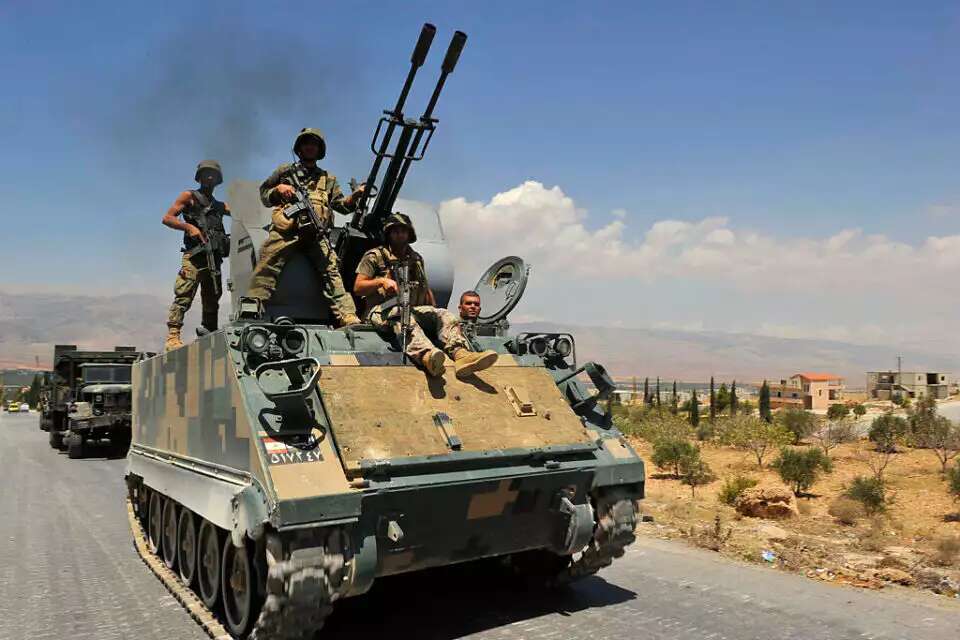
At the time the framework agreement was signed, army commander Rodolphe Haykal was on a working visit to Britain. The army is expected to receive massive support from the US and other countries, but some Lebanese elements believe Haykal would be better off ending his term because of his failure in the disarmament process south of the Litani River. The army includes about 95,000 soldiers in compulsory service, career service and the reserves. Its budget is $1 billion a year, less than Hezbollah's. More importantly, around 40% of its order of battle is made up of Shiite soldiers, who are unlikely to act against the organization. Some officers also cooperate with Hezbollah and pass it sensitive intelligence. So far, the army has dispersed Hezbollah's demonstrations and called for public order to be maintained. In any case, there is serious doubt that the Lebanese army is capable of defeating Hezbollah.
A Lebanese military source told MTV that "the Lebanese army is not subject to assessment by any party. Everything being circulated in the name of senior Israeli officials about 'cleansing the army of elements not loyal to the establishment' is untrue and worthy of condemnation. All military personnel are loyal to the establishment and to the homeland in its entirety, and are proud to belong to every grain of its soil."
The Christian community
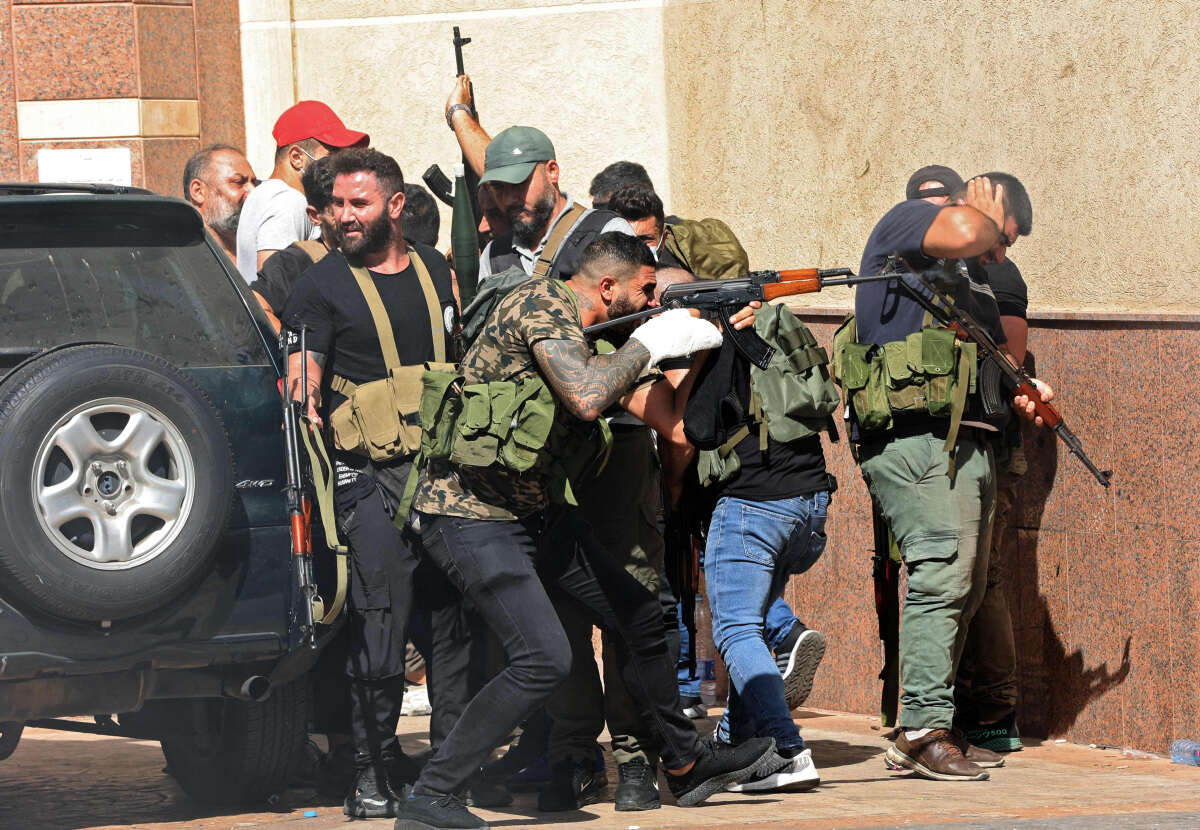
Samir Geagea, leader of the largest Christian party in parliament, the Lebanese Forces, has yet to make his position known on the agreement. However, his party has already welcomed the move. MK Nadim Gemayel declared that Lebanon had returned to the right path and established a new equation, according to which Hezbollah's disarmament would lead precisely to the return of lands. He said the move was dismantling the Iranian narrative, which had tried to take credit for the possibility of a withdrawal. As for the domestic situation, Geagea himself recently stressed that Hezbollah was incapable of bringing down the government, and that if its people took to the streets, people from the opposing camp could take to the streets in response. Perhaps this was a hint that Geagea also has armed men of his own.
Aside from the Lebanese Forces and other factions in the Maronite community hostile to Hezbollah, different voices were heard among the Christian parties that had maintained alliances with it. Gebran Bassil, chairman of the Free Patriotic Movement in parliament, said the agreement "will be beneficial if all our rights are restored, but it will be dangerous if it is a recipe for civil war. Everyone must avoid falling into this trap, and must not categorically reject any path toward liberating the lands, strengthening the state and establishing peace." Even Suleiman Frangieh, the former presidential candidate backed by Hezbollah, chose to remain silent, perhaps because of the US sanctions imposed on him.
The Sunni community
Among Lebanon's Sunni Muslims, two senior politicians who advanced the agreement and received backing from Gulf states stand out. The first is, of course, Prime Minister Nawaf Salam, who has become a hated figure among Hezbollah supporters. At demonstrations in Beirut, the organization's activists mockingly chanted, "Nawaf the Zionist." Salam dismissed Hezbollah's claims of "free concessions," saying that everything Lebanon had committed to was already included in the Taif Agreement, which helped end the civil war in the 1990s, and in the 2024 ceasefire agreement.
The second figure is Fouad Makhzoumi, a member of parliament, businessman and representative of the Beirut district. Makhzoumi welcomed the agreement and emphasized that the success of the process depended on Hezbollah's disarmament. Makhzoumi did not stop there, and in recent months has led an effort to unite the Sunni representatives in parliament around a position supporting the negotiating track advanced by the government. Moreover, he promoted an initiative, adopted by the government, to declare the Beirut area free of illegal weapons.
The Druze community
Interestingly, a poll recently published by Al Jadeed revealed a significant gap between the positions of members of the community and those of its leaders. Most Druze in Lebanon support the agreement with Israel and Hezbollah's disarmament, perhaps as a result of Israeli assistance to the Druze in Syria against the Islamist regime. By contrast, the community's central leader, Walid Jumblatt, still aligns with the Shiite camp and the Iranian axis. From his perspective, the track of talks between Iran and the US should be preferred over the direct track with Israel. Jumblatt also criticized the framework agreement, saying that "what stands out in this agreement, which is tripartite in form and unilateral in content, is the complete absence of a hudna agreement," meaning a temporary ceasefire.