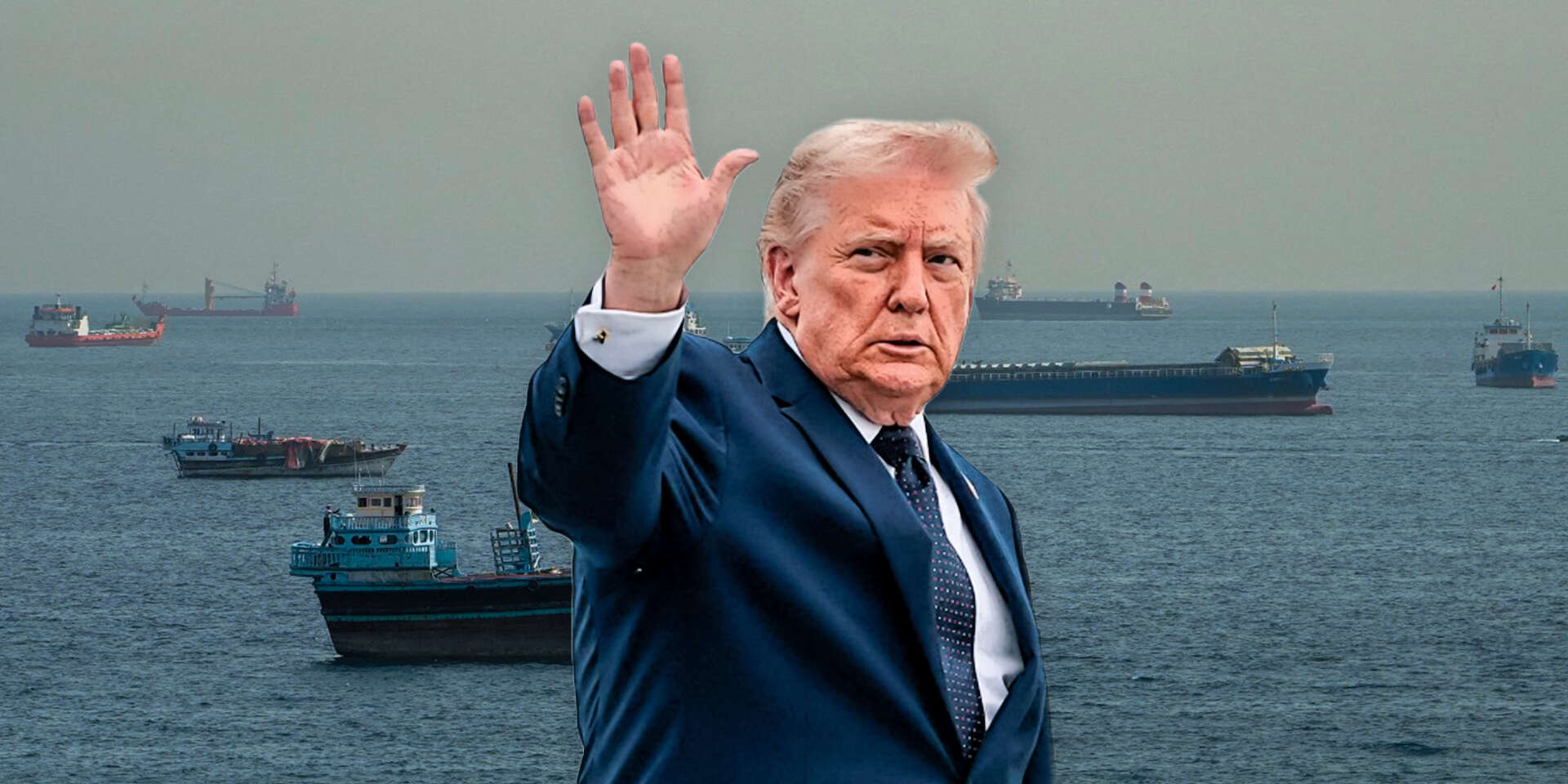
US President Donald Trump has decided, at least for now, not to significantly expand the military campaign against Iran, partly because of concerns that US defensive weapons stocks in the Middle East are being depleted, according to reports published over the past 24 hours by CNN, The Wall Street Journal and The New York Times.
CNN reported Sunday that Vice President JD Vance and Chairman of the Joint Chiefs of Staff Gen. Dan Caine expressed concern during a White House meeting Friday over a further escalation of the war with Iran. According to officials familiar with the matter, Caine told Trump that the US military was capable of carrying out the options under consideration and doing so successfully, but warned of the possible consequences, including the state of remaining US munitions stocks.
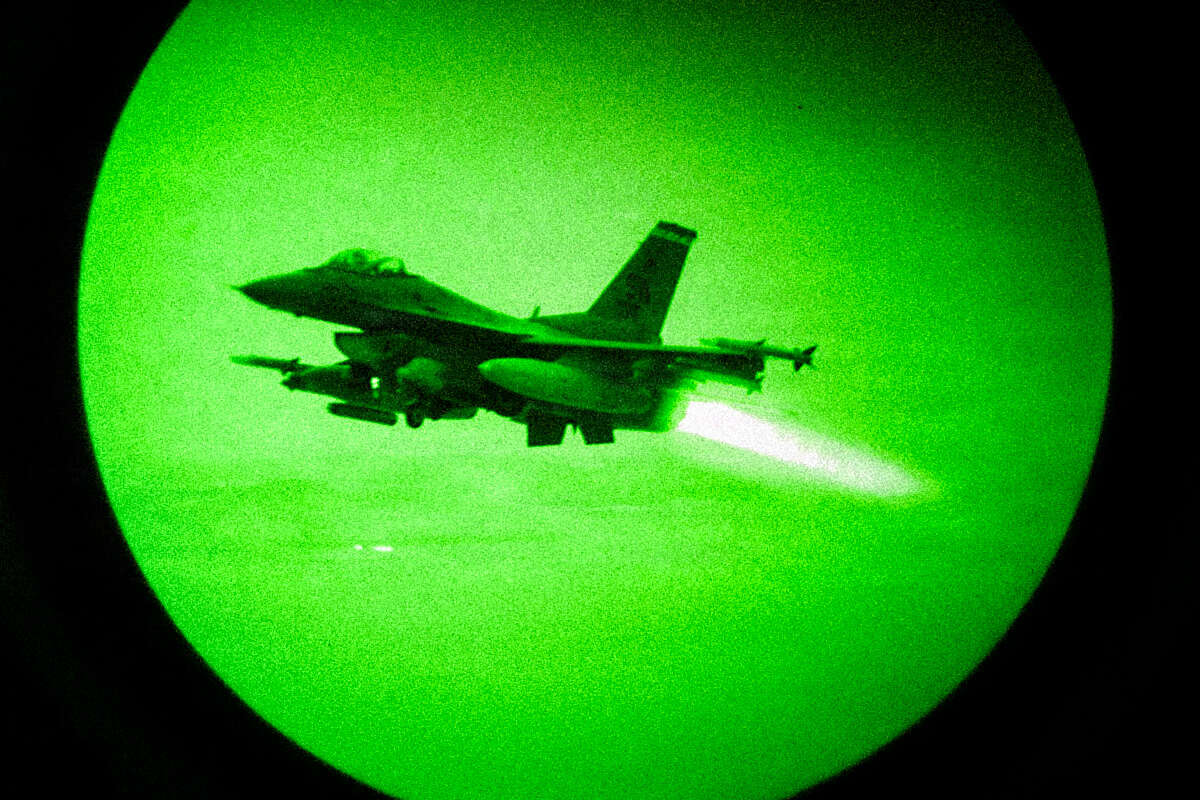
Depleted ammunition depots?
The condition of US ammunition depots was reportedly one of the main issues raised during the discussion. It remains unclear, however, whether that concern or the warnings against escalation led to the decision to stop the nightly strikes on Iran. The United States stopped its bombing campaign Friday night after nearly two consecutive weeks, CNN reported. A US Defense Department source said the operation was now "paused," while regional officials gave a similar account to the US television network CBS News.
White House Communications Director Steven Cheung said, "President Trump has been consistent in his preference for a diplomatic solution, but he continues to keep all options available if Iran continues terrorist activity in the Strait of Hormuz or against allies." CNN also reported that the Trump administration had continued discussing escalation options in recent days, while Gulf states urged restraint in conversations with senior administration officials.
At the same time, Trump instructed his negotiating team to continue talks, even after publicly saying that he was considering a large-scale attack on Iran. According to officials familiar with the issue, few people in Trump's inner circle or at the Pentagon believed the military escalation options would achieve the desired results without the deployment of US ground forces.
The New York Times also reported Sunday that Trump had frozen plans to expand the military campaign against Iran.
One of the main considerations, according to the report, was concern over a significant depletion of Patriot interceptor stocks and other air defense assets in the Middle East. Administration officials were also said to be concerned about the war spreading across the region, damage to relations with key Gulf allies, and the possibility of global economic disruption, an energy crisis and a refugee crisis. The New York Times likewise reported that Caine had warned in internal discussions that renewed large-scale combat operations against Iran were militarily feasible but could dangerously deplete the interceptor stocks available to the US military's Central Command.

"Key workhorse"
Meanwhile, The Wall Street Journal reported Saturday that Iran was making increasing use of the Kheibar Shekan missile, described as "one of the key workhorses" in its missile arsenal. According to US officials, since fighting resumed this month, Iran has launched the missile at US bases while using different flight paths, speeds and maneuvers intended to make interception more difficult for US defense systems.
The United States and its partners have intercepted most of these missiles during the fighting, the report said, although some have penetrated the defensive systems. Military analysts said that unlike older Iranian missiles, the Kheibar Shekan can be kept fueled and quickly loaded onto mobile vehicle-mounted launchers, making it more difficult to strike before launch. Some versions are equipped with a small engine in the warhead that allows it to change direction during the final stage of flight at a speed of about 6,000 miles per hour, making it harder to detect and intercept.
Iran is also combining fast attack drones and simpler missiles against the same targets as part of an effort to adapt its combat methods during the war, according to the report.