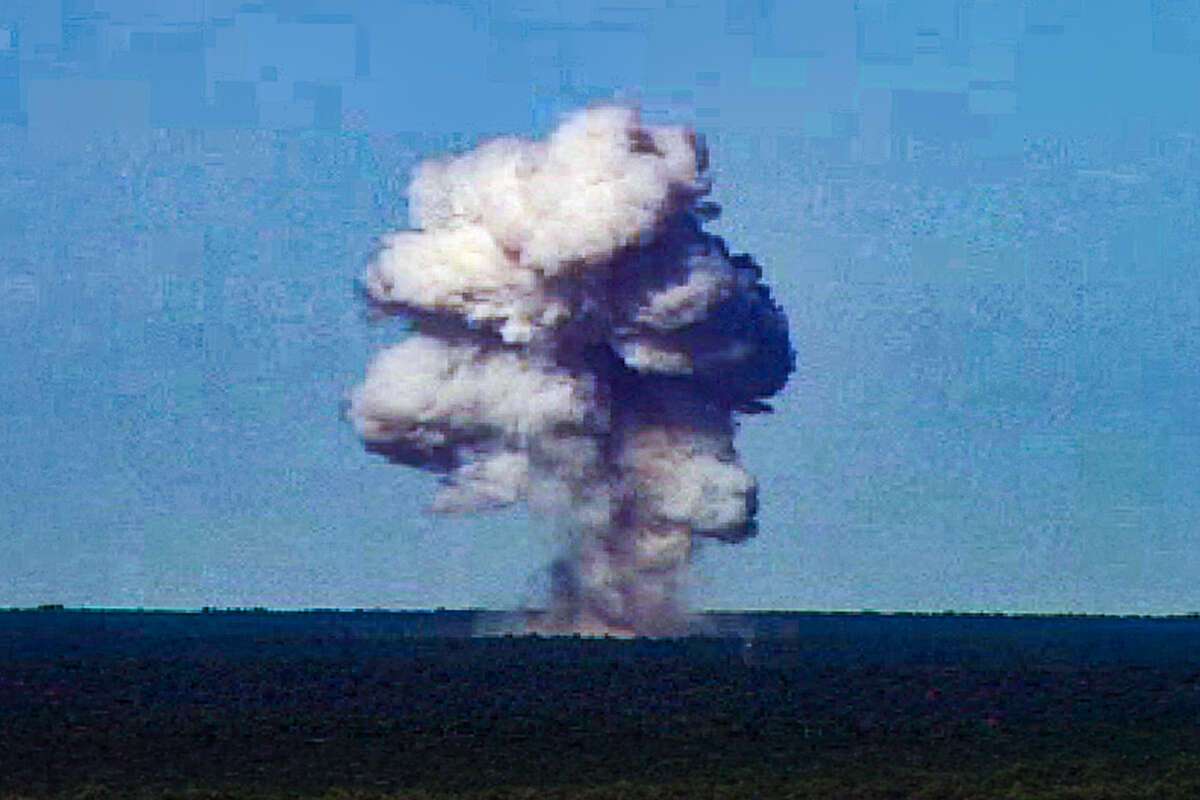
CNN reported that the United States is considering using the largest bomb in the US Air Force's arsenal if fighting with Iran resumes.
The GBU-43/B Massive Ordnance Air Blast bomb (MOAB), popularly known as the "mother of all bombs," is one of the most powerful conventional weapons ever developed. Its creation marked a significant chapter in the history of US air power. Development of the bomb began in 2002 at the US Air Force Research Laboratory (AFRL), with the aim of replacing the BLU-82 "Daisy Cutter," which had been used to clear helicopter landing zones in the jungles of Vietnam and to clear minefields. Engineers sought to develop a heavy, precision-guided weapon equipped with GPS satellite navigation that could destroy underground complexes, bunker systems and targets spread across large areas.
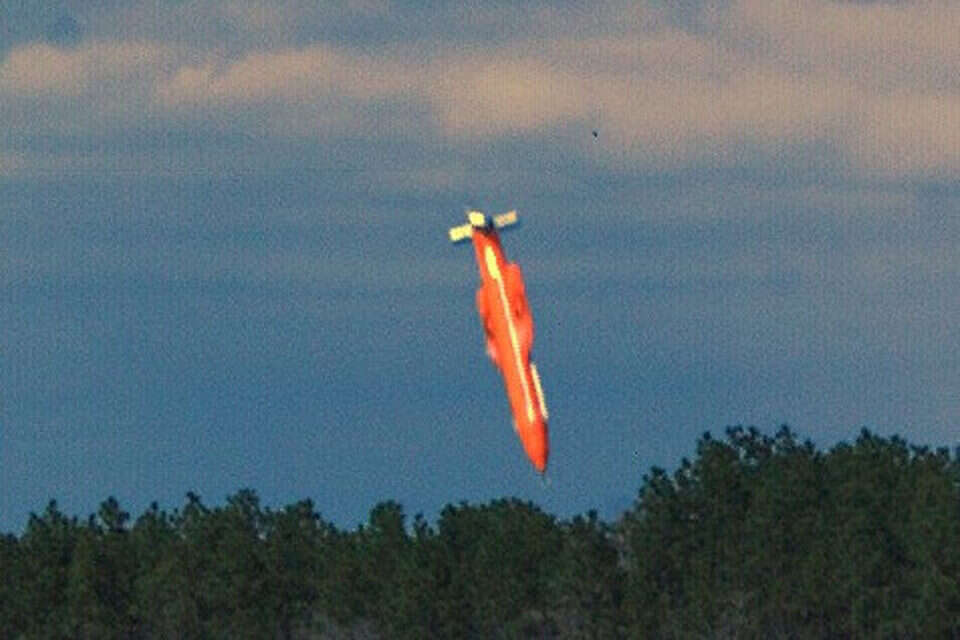
The bomb, weighing nearly 10 metric tons (22,000 pounds) and carrying approximately 8.5 metric tons (18,700 pounds) of H-6 high-explosive material, underwent its first successful test in March 2003, shortly before the US invasion of Iraq. Despite its rapid development and deployment to the region, the weapon was not used during that campaign, partly because of operational and deterrence considerations.
Against the backdrop of continuing security tensions in the Middle East and advances in Tehran's nuclear program, questions have repeatedly arisen over how effective the MOAB would be in a potential US strike against Iran. Military experts point out that despite its enormous destructive power, the bomb has significant tactical limitations that could make its use in such an operation unlikely.
The first obstacle is its extraordinary weight and size. Unlike conventional air-dropped munitions, the MOAB cannot be carried by standard fighter jets or stealth bombers. Instead, it must be delivered by slow-moving, vulnerable military transport aircraft, making its deployment extremely difficult in heavily defended airspace such as Iran's, where advanced air defense systems could pose a serious threat to the aircraft carrying it.
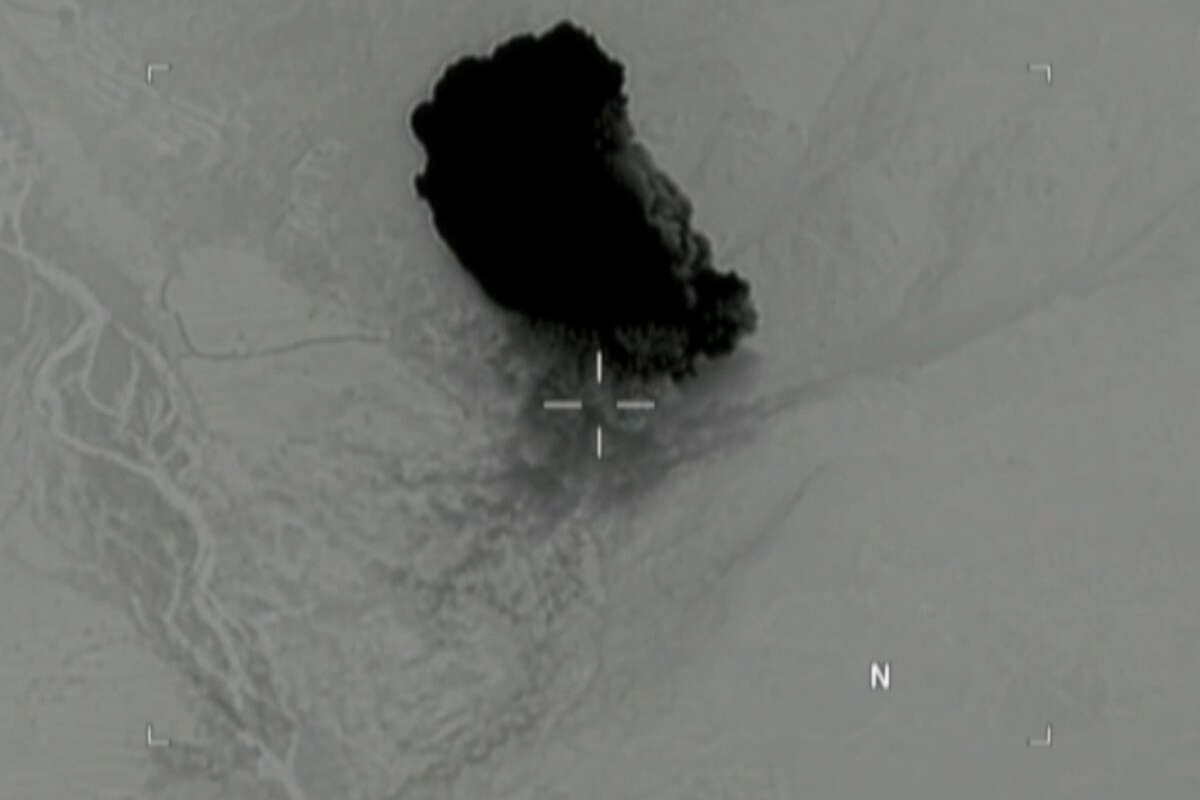
A second limitation concerns the nature of Iran's nuclear facilities. Major sites such as Fordow are buried deep inside mountains, protected by thick layers of rock and reinforced structures. For precisely these types of targets, the Pentagon developed a different weapon: the GBU-57 Massive Ordnance Penetrator (MOP), a heavy bunker-busting bomb carried by B-2 stealth bombers. Unlike the MOAB, which is designed primarily to generate a devastating blast across a wide area, the MOP is engineered to penetrate thick layers of concrete and rock before detonating.
As a result, while the MOAB remains a formidable deterrent against ground forces, exposed infrastructure and relatively shallow tunnel networks, its suitability for direct strikes against the most heavily fortified elements of Iran's nuclear program remains limited. The likelihood of deploying it against the core of Tehran's nuclear infrastructure is therefore considerably lower than that of using the US military's stealth-delivered, deep-penetrating alternatives.