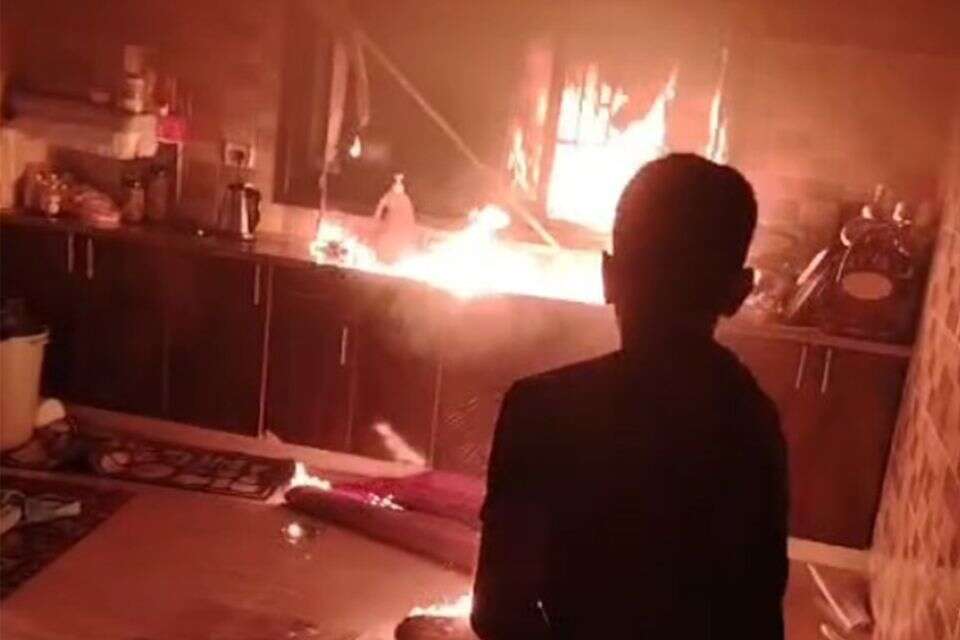
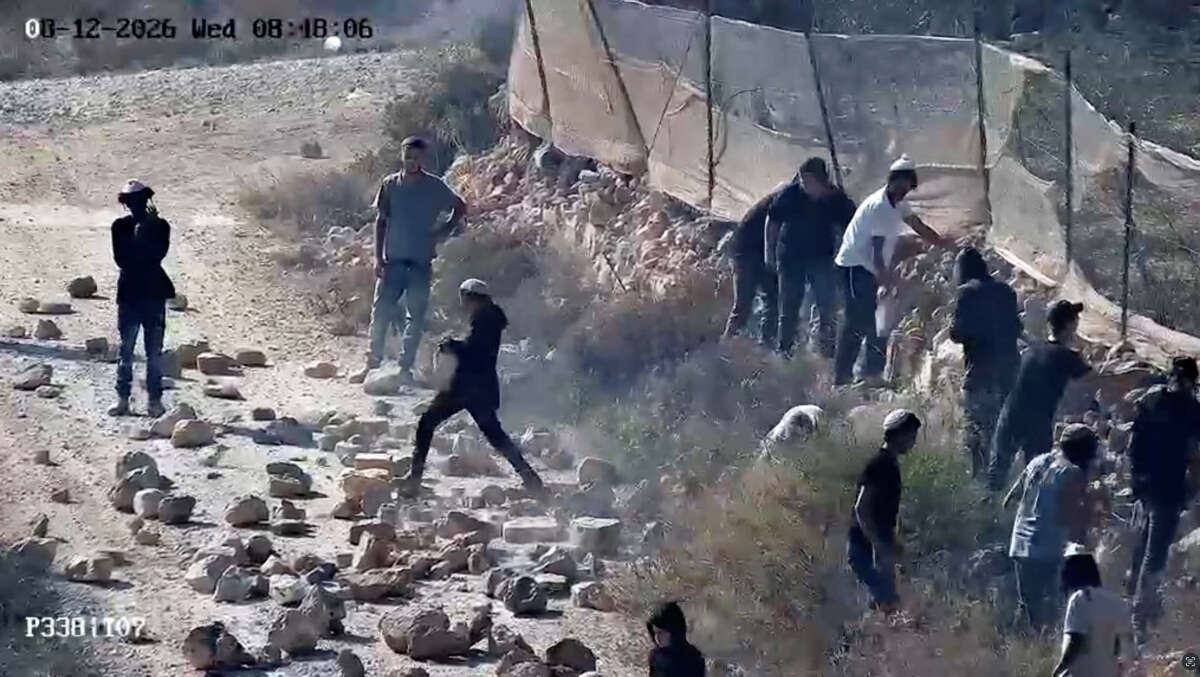
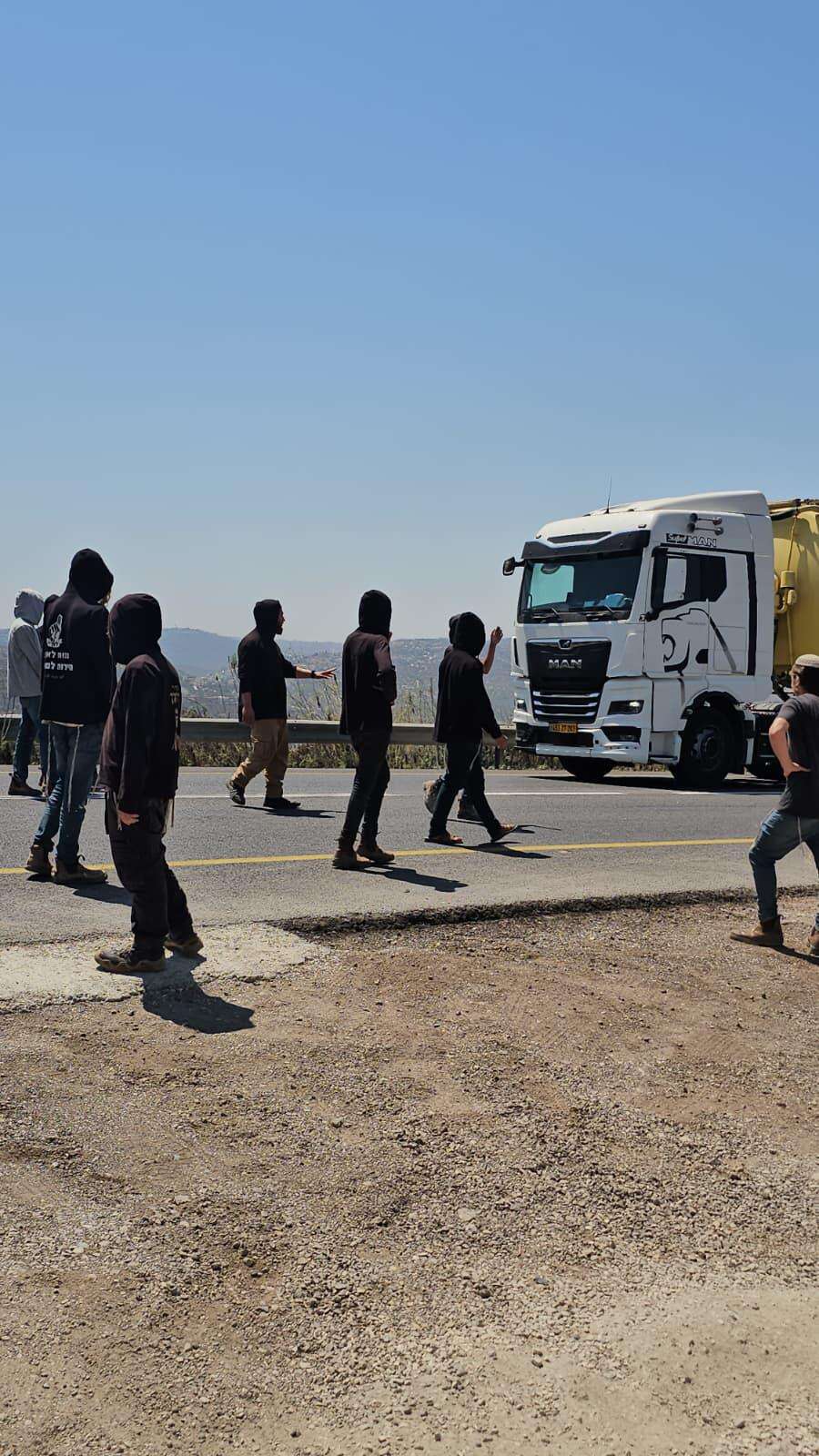
About 200 Jewish rioters took part last week in violent unrest in the village of Jalud in Samaria, seeking to prevent a Palestinian family from returning to its home. They attacked security forces, set buildings and property on fire and injured three Border Police officers. Even with the IDF and Border Police present, the family was unable to return home and the mission was not completed.
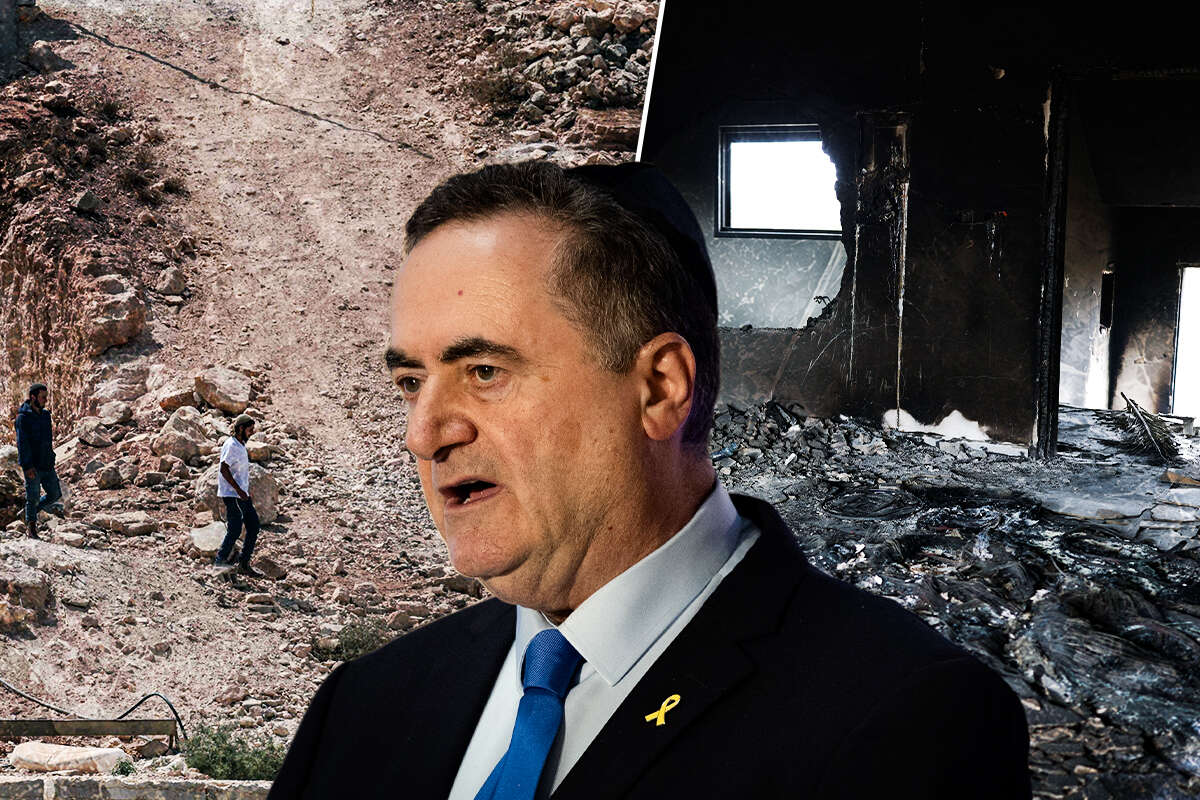
Sixteen months ago, Defense Minister Israel Katz decided to "rehabilitate" the Hilltop Youth. Alongside his decision to halt the use of administrative detention against Jews, Katz opted for an effort to return the young people to structured frameworks and rebuild trust between them and the state. To that end, he established a directorate and appointed Col. (res.) Avichai Tanami, an educator and former fighter in Sayeret Matkal, the IDF's elite special forces unit, to head it.
The events in Jalud illustrate just how distant that goal remains and sharpen a question that is becoming increasingly urgent as the violence continues: How can people be protected and rioters stopped now, while the educational programs are still being built and may take months or years to produce results?
Many of the youths refused to meet with Tanami
During the first months after his appointment, Tanami operated without the necessary budget or authority. By April, many of the youths were already refusing to meet with him because they viewed him as another arm of the establishment rather than someone they could turn to for help.
For many of them, what they expect from Tanami goes beyond referring them to an educational or employment framework. They want a point of contact between themselves and the military, someone they can approach when they feel they have been wronged, who will listen to their complaints and raise them with the relevant authorities. When a hilltop outpost is evacuated, a herd is confiscated or there is a dispute over the conduct of security forces, they want someone who will mediate, investigate and come back to them with an answer.
When the youths do not feel that Tanami is fulfilling that role, it becomes difficult to enlist them in an educational process. The state is asking him to bring them closer to it, but in the eyes of some, his ties to the establishment are themselves a source of suspicion. They expect him to present their claims to the authorities as well, while they largely see him as a representative of those authorities. For them, trust is tested at moments of crisis: whether they have someone to turn to, whether their claims are investigated and whether they receive an answer.

That distrust of the program is expressed by A., a resident of central Israel who frequently visits the hilltops to offer support and assistance.
"It makes no sense. There's no chance this thing will help," he said. "The youths there are the best people in the country," he said, arguing that they are prepared to sacrifice their lives and their youth for the state. "And then some IDF officer comes along, representing the establishment that persecutes them, and tells them they need to be re-educated. Is there anything more fascist than that?"
He argued that the state should instead make use of the youths, whose activities he regards as part of the struggle for control of the land.
"We're doing your job. You're not taking control of the territory and you're letting the Arabs take it over, so we're doing it for you."
The program offers no answer to immediate threats
The remarks illustrate the depth of the disagreement over how the youths' role is perceived. Those who view their activities as a national mission may interpret the educational program as a message that they themselves need to change, and may find it difficult to accept that message from an establishment they do not trust. Tanami must contend with that opposition before he can even bring the youths into an educational framework.
The program's budgetary framework has changed since his appointment. On May 3, the government approved Resolution 4087, allocating about 40 million shekels ($13.1 million) a year for three years. The program includes education, therapy, vocational training, dropout prevention and preparation for military service. It is intended to provide young people with a framework that will help them integrate into society and reduce the risk of their descent into violence.
Such an initiative may have value over the long term. Returning a teenager to a structured environment and rebuilding trust in the state require time and persistence. Even agreeing to participate in the program does not guarantee an immediate change in behavior. Educational and therapeutic processes may take months or years to bear fruit, and their success also depends on maintaining contact when relations with the authorities deteriorate again.
But on the ground, protection is needed now. Preventing assaults and arson, and arresting those who throw stones at security forces, require immediate action. The educational program alone cannot provide an answer to rioters who are already going out to attack. The state must build frameworks that prevent more young people from sliding into violence while simultaneously stopping those already participating in it and bringing them to justice.
Five months in, still no data
Alongside the directorate, Katz advanced another initiative: transferring enforcement and evacuation duties from the IDF to the Border Police, followed by an expansion of the Israel Police's Judea and Samaria District responsibilities.
The change in responsibility for evacuating outposts was supposed to begin after Yom Kippur, but it has yet to be fully implemented on the ground and is facing difficulties of its own.
Transferring those missions requires personnel, funding and clear arrangements governing responsibility and command. Judea and Samaria District Police Commander Moshe Pinchi has already demanded additional resources and called for the Judea and Samaria Border Police to be placed under the district's authority. The Border Police itself already carries a heavy security workload, and transferring the burden from the IDF does not make that burden disappear.
Eleven months passed between the appointment of the project coordinator and government approval of the program. Another five months have passed since then, yet the Defense Ministry's response still describes the creation of infrastructure and working mechanisms without presenting data on their results.
Zini reverses position on administrative detention
Against the backdrop of the Jalud incident, it emerged Monday that Shin Bet security agency Director David Zini demanded an unequivocal condemnation and repudiation of the violence by the country's leadership during a Diplomatic-Security Cabinet meeting, and warned that there might ultimately be no alternative to reinstating administrative detention against Jews.
Zini made clear that if he is unable to curb the violence through other means, he will demand the restoration of the measure that Katz decided to stop using.
The remarks carry particular weight because they come from Zini, who has faced criticism over his approach to Jewish violence and had himself so far blocked the reinstatement of administrative detention, preferring alternative measures. His warning adds to demands that commanders in Central Command, led by Maj. Gen. Avi Bluth, have been making for months to restore the measure.
The picture that emerges is that after 16 months, Katz's initiative has yet to produce results that can be demonstrated. The Defense Ministry has provided no figures on youths who have returned to structured frameworks or on any decline in violence, while rioters continue to attack.
The situation has reached the point where even the head of the Shin Bet, who until now opposed bringing back administrative detention, is warning that he will demand its reinstatement.
The Defense Ministry said in response: "The Defense Ministry's National Directorate, headed by Col. (res.) Avichai Tanami, is working to implement Government Resolution 4087 of May 3, 2026. Under the resolution, the participating government ministries were allocated approximately 40 million shekels ($13.1 million) annually for three years.
"In recent months, the directorate, together with all its partners, has been advancing the establishment of educational, therapeutic and enforcement infrastructure, as well as working mechanisms within local authorities."