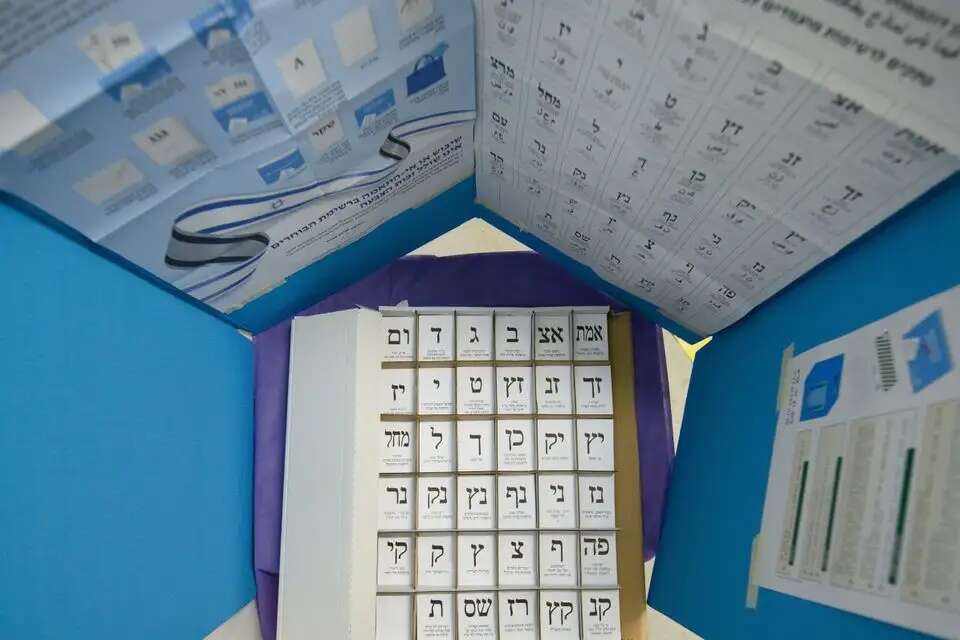
Election Day is fast approaching and Israelis will soon head to the polls to decide the country's future. To help ensure that voting goes smoothly, efficiently and without unnecessary delays, Israel Hayom has compiled a comprehensive guide covering everything from what to expect at your polling station to the double-envelope voting system that can sometimes determine the final election results.
Where do I vote?
Every Israeli citizen registered on the electoral roll is assigned a specific polling station based on their residential address as recorded in the Interior Ministry's Population Registry.
- Voter notification: The Interior Ministry sends voters notification cards by mail specifying the location and number of their assigned polling station, along with its opening hours. You do not need to bring this card to vote. Many voters have also received text messages containing their exact polling station number.
- Online polling station lookup: If you have not received a notification or want to confirm your polling station's address, you can check it in seconds on the Central Elections Committee's website by entering your Israeli ID number and the date your ID card was issued. The information is also available through the ministry's telephone hotline and SMS service.
What identification documents must I bring?
When you arrive at your polling station, you must identify yourself to the polling station committee. Israeli law specifies which identification documents are accepted. The document must be an original, valid and include a photograph identifying the voter.
The following documents are accepted:
- Israeli identity card, either standard or biometric. You do not need to bring the accompanying address appendix.
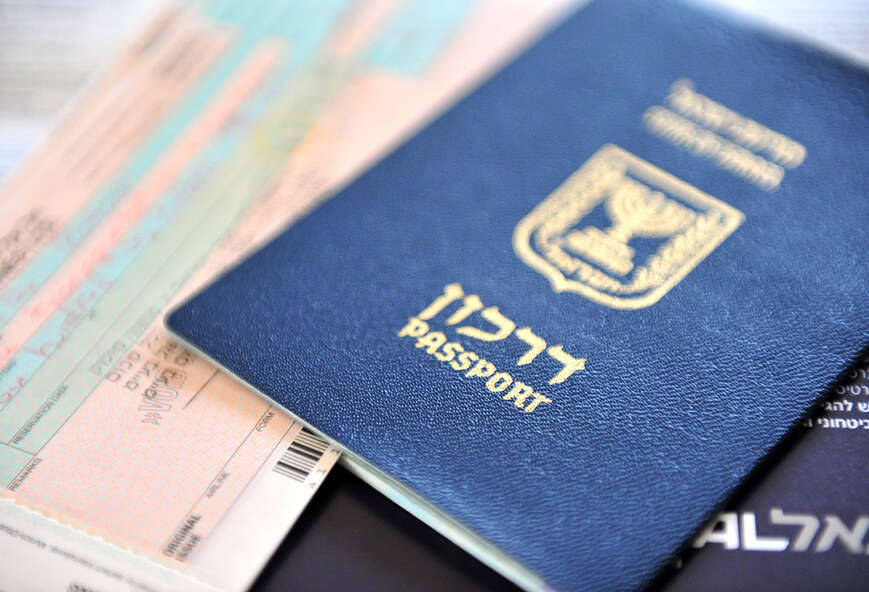
- Valid Israeli passport.
- Valid Israeli driver's license bearing a photograph.
- Knesset member identification card, if you are a Knesset member.
Important: Photocopies or photographs of identification documents, digital ID cards displayed on a smartphone, credit cards, student IDs and military service or reservist identification cards are not accepted as proof of identity at polling stations.
What are the polling station opening hours?
- Most communities across Israel: Polling stations open at 7 a.m. and close at 10 p.m.
- Small communities with up to 350 residents, hospitals and prisons: Polling stations generally operate from 8 a.m. to 8 p.m.
The golden rule: Anyone who arrives at a polling station and joins the line before the official closing time is entitled to cast a ballot, even if voting continues beyond that time.
Double-envelope ballots: What are they, who uses them and how are they counted?
The term "double-envelope ballots" sometimes raises questions, but it refers to a legal, regulated and secure procedure designed to allow citizens who cannot reach their assigned polling station to exercise their right to vote. The precise legal term is "outer envelope."
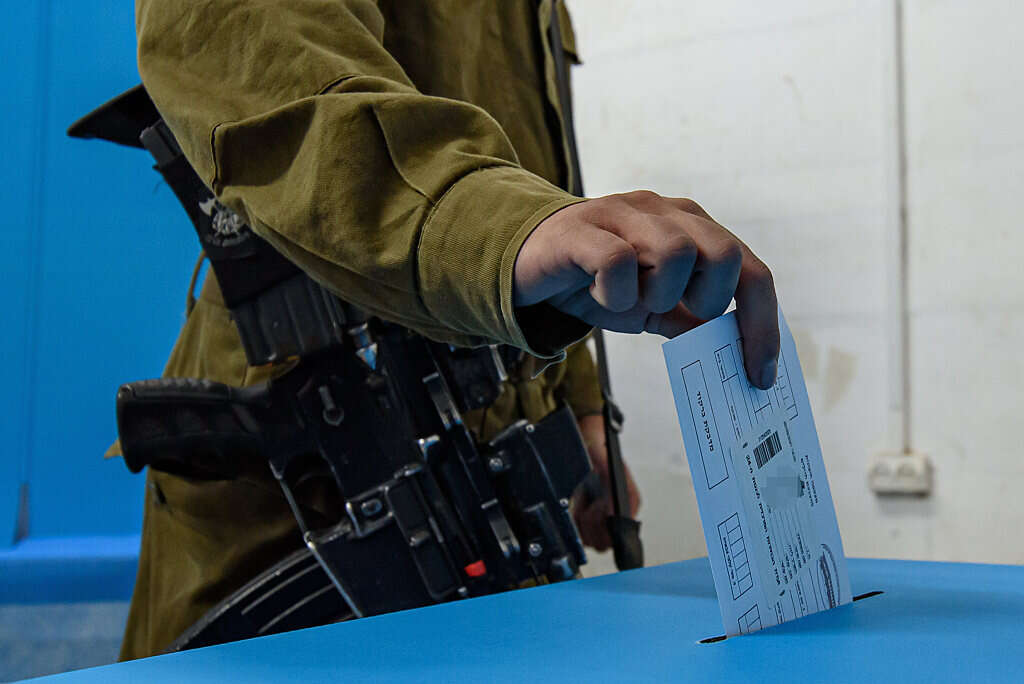
Under this system, voters place the ballot slip of their chosen party inside a standard blue voting envelope and seal it. That envelope is then placed inside a second, outer envelope, on which polling station officials record the voter's personal details, including their name, identity card number and assigned polling station number.

Who votes using a double envelope?
Israeli law allows several specific groups to vote using the double-envelope system:
- Israel Defense Forces soldiers and security personnel: They vote at military polling stations located on bases and in training areas.
- Diplomats and Israeli government representatives abroad: They cast their ballots several days before Election Day in Israel.
- Hospital patients and medical personnel: They vote at polling stations established in hospitals and nursing care facilities.
- Election workers and polling station committee members: Those assigned to work on Election Day at polling stations other than their own can use the system.
- Prisoners and detainees: They vote at polling stations inside correctional facilities.
- Voters with mobility limitations: Eligible voters who cast their ballots at specially designated accessible polling stations rather than their assigned polling stations also use double envelopes.
How many double-envelope ballots are expected in this election?
The number of double-envelope ballots in the current election is expected to reach approximately 650,000 votes, equivalent to about 14 Knesset seats, the highest figure ever recorded. These ballots are sometimes referred to as "sailors' votes," a historical nickname for absentee ballots in Israel. With so many votes involved, double-envelope ballots could shift Knesset seats between parties, push parties above or below the electoral threshold required to enter the 120-seat parliament, and ultimately change the final election results.
How is ballot secrecy protected?
The verification and counting of double-envelope ballots involve two carefully controlled stages.
1. Verification and prevention of double voting
The outer envelopes are transferred to the Central Elections Committee's headquarters at the Knesset, Israel's parliament.
Officials cross-check the personal information written on each outer envelope against the central electoral register to ensure that the voter has not also cast a ballot at their regular polling station.
2. Separating the envelopes to preserve ballot secrecy
Only after officials verify that the voter has not voted twice is the inner blue envelope separated from the outer envelope.
Because the inner envelope contains no identifying information, it can be mixed with thousands of other anonymous voting envelopes and placed in a regular ballot box.
The ballot slips are then counted in exactly the same way as votes cast at ordinary polling stations, preserving the secrecy of each voter's choice.

Accessible polling stations and voting for people with mobility limitations
Voters with mobility limitations whose assigned polling stations are not accessible are entitled to vote at any polling station designated as a "special accessible polling station" anywhere in Israel.
- How does voting work? The voter arrives at the accessible polling station and signs a declaration stating that they have a mobility limitation. The ballot is then cast using the double-envelope system.
- How can I find an accessible polling station? The full list of accessible polling stations is published on the Central Elections Committee's website.
Warning: Submitting a false declaration constitutes a criminal offense and will also result in the disqualification of your vote.
When will we know the final results?
The counting of double-envelope ballots generally begins on election night or the following morning at the Central Elections Committee's headquarters and takes approximately 24 to 36 hours.
That is why television exit polls and the first official results released on election night may change before the counting of double-envelope ballots is completed on Thursday.