Sunday Aug 2, 2026
NEWSLETTER
www.israelhayom.com
  • Home
  • News
    • Israel
    • Israel at War
    • Middle East
    • United States
  • Opinions
  • Jewish World
    • Archaeology
    • Antisemitism
  • Lifestyle
    • Food
    • Travel
    • Fashion
    • Culture
  • Magazine
    • Feature
    • Analysis
    • Explainer
  • In Memoriam
www.israelhayom.com
  • Home
  • News
    • Israel
    • Israel at War
    • Middle East
    • United States
  • Opinions
  • Jewish World
    • Archaeology
    • Antisemitism
  • Lifestyle
    • Food
    • Travel
    • Fashion
    • Culture
  • Magazine
    • Feature
    • Analysis
    • Explainer
  • In Memoriam
www.israelhayom.com
Home Explainer

The consequences of canceling the US strike on Iran

The cancellation of the US strike gives Iran time to rebuild its missile arsenal and advance its nuclear program. Postponing action on these issues could allow Iran to attain nuclear weapons capability. 

by  Vice Adm. (ret.) Eliezer Marom
Published on  08-02-2026 20:04
Last modified: 08-02-2026 22:10
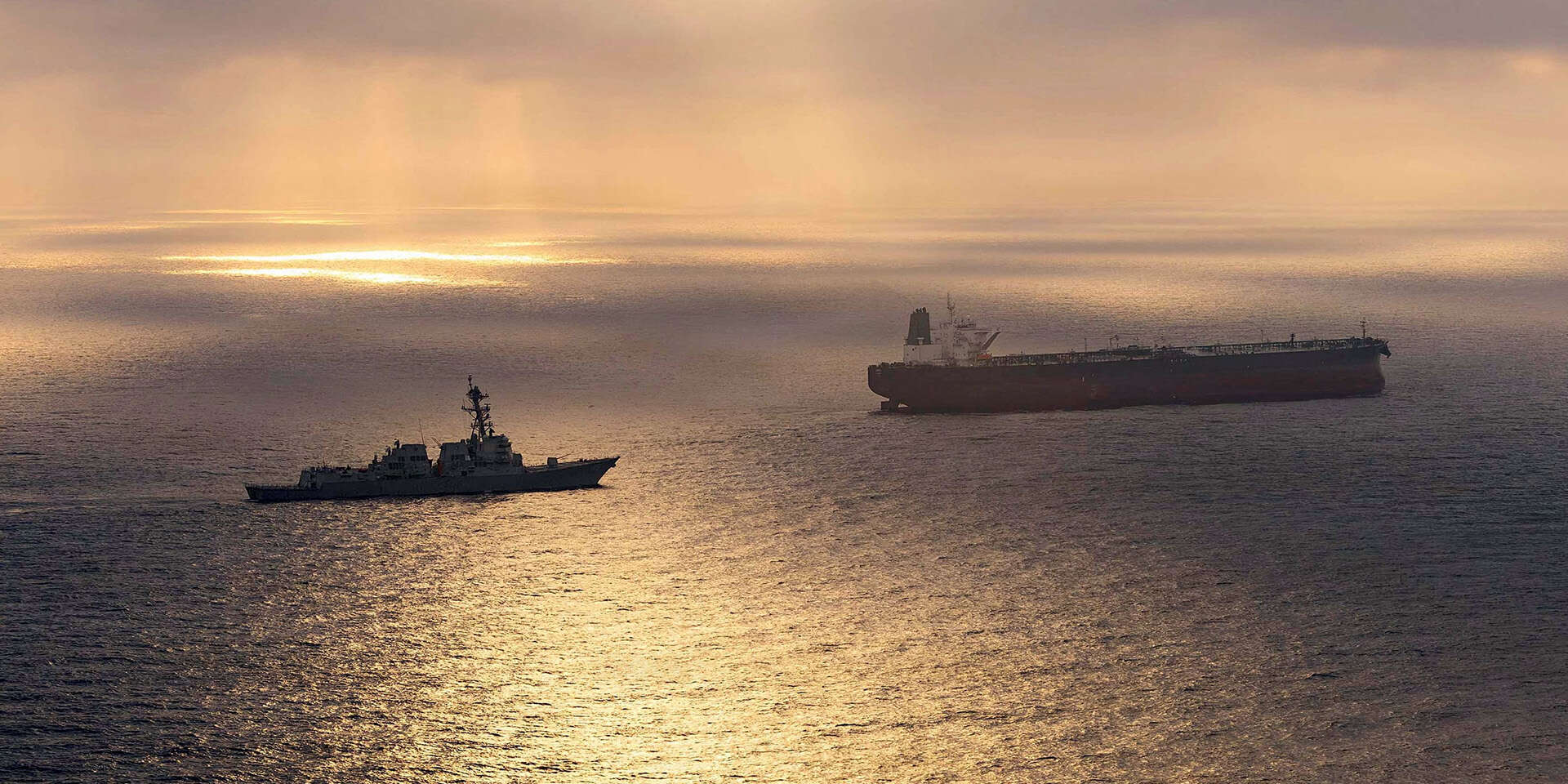
US reinstates Iran oil sanctions after tanker attacks in Strait of Hormuz

Strait of Hormuz. Photo: AFP

Share on FacebookShare on Twitter

On Saturday night, the entire Middle East waited for a major US strike on Iran. US President Donald Trump had warned that an Iranian attack on a ship in the Strait of Hormuz would prompt an American strike on Iranian civilian infrastructure, such as a power plant or bridge. The Iranians called his bluff and attacked two ships in the strait, prompting the president to order the US military to prepare a major assault on Iran.

Everything was ready. Then, at the last moment, the president announced that the attack had been canceled following appeals from Iran and the mediators. According to the statement, the Iranians were prepared to reopen the Strait of Hormuz and end the nuclear threat they posed. Israel was also compelled to support the president's decision.

This was not the first time Trump had called off military action at the last moment. It is a familiar pattern of behavior, and the Iranians have learned to exploit it effectively. Trump has previously acknowledged that the Iranians have never won a war but have never lost a negotiation. Despite knowing this, he continues to be led astray by Iran, whose leaders continue to deceive and even openly humiliate him.
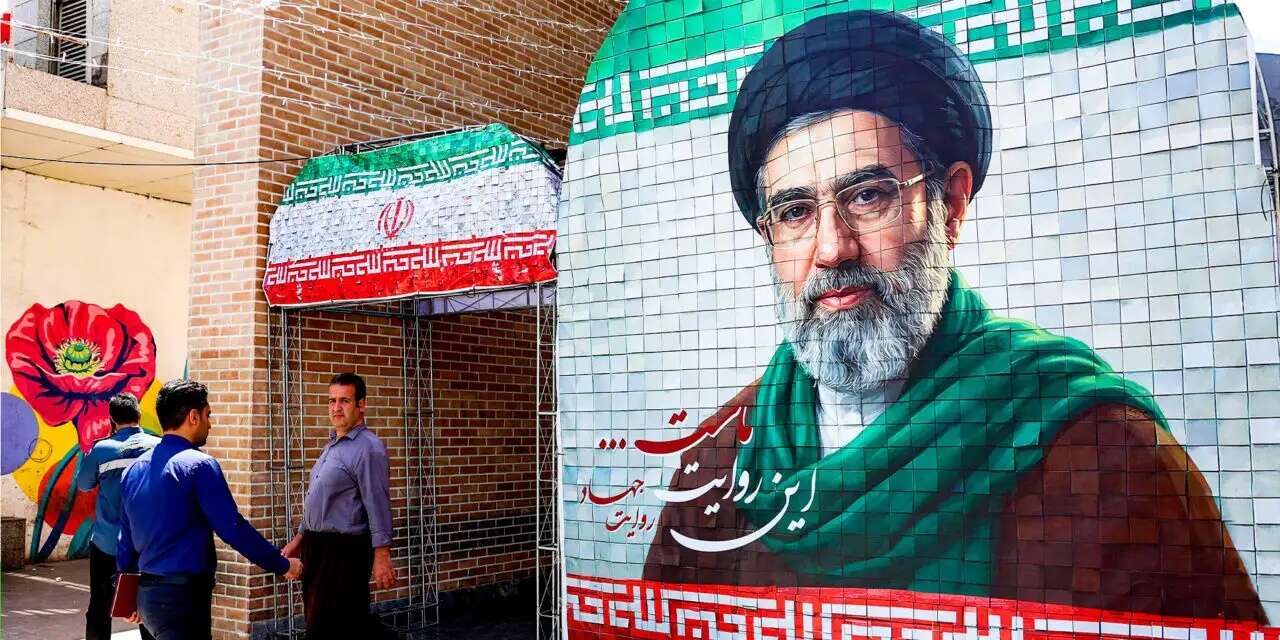
Mojtaba Khamenei. Photo: AFP

The administration's immediate interest is to reach the midterm elections with the Strait of Hormuz open and fuel prices low, while leaving the nuclear issue, the heart of the dispute, along with Iran's ballistic missiles and proxy forces, to protracted negotiations after the elections. This is a dangerous gamble, and Israel may ultimately pay the price.

Iran's motivation to acquire a nuclear bomb has increased significantly during the war, and reports are mounting that Tehran is working vigorously to attain that capability. As part of this effort, Iran is rebuilding its capacity to manufacture ballistic missiles and unmanned aerial vehicles, which it intends to use as a deterrent against an attack.

The Iranians are threatening to set the Middle East and the global oil and gas industry ablaze if they are attacked. Under the cover of these threats, Iran continues to advance its nuclear and ballistic missile programs. Delaying action on these issues gives Tehran valuable time to continue developing those capabilities.

Negotiations with the Iranians are being conducted through two principal mediators: Pakistan and Qatar. Qatar, which involves itself in almost every aspact in the Middle East and beyond, has repeatedly succeeded in advancing its own interests. In Iran's case, Qatar's interest is clearly to keep Iran strong and as dependent on Doha as possible.

Qatar's Emir Tamim bin Hamad al-Thani against the backdrop of the capital, Doha | Photo: AFP

At the same time, Qatar is seeking to weaken the Abraham Accords alliance, which could leave it isolated in the region. The United States, which has economic interests in Qatar, allows Doha to meddle in regional affairs and repeatedly manipulate decision-makers in Washington, foremost among them President Trump.

The State of Israel is entirely dependent on Trump's decisions and is in great need of American support. It is clear that addressing the Iranian challenge requires close coordination between Israel and the United States, both militarily and diplomatically.

The US decision to stop the planned strike on Iran gives the Iranians another reprieve. During this period, Iran will continue rebuilding its ballistic missile arsenal and advancing its nuclear program, which poses an existential threat to the State of Israel.

Every day that passes without rigorous oversight of Iran's nuclear program, backed by substantial sanctions as a deterrent, increases the risk that we will wake up one morning to an Iranian announcement that the country possesses a nuclear weapon. Israel will have to act against this existential threat before it materializes, even if military action leads to a confrontation with Washington.
Tags: IranIsraelQatarUS

Related Posts

How Iran is preparing to influence Israel's elections

How Iran is preparing to influence Israel's elections

by Danny Citrinowicz

Iranian influence operations are already underway, and Israeli security officials warn of an attempt to deepen divisions within Israeli society....

The US has no victory image, and that is bad news for Israel

Why Trump put a wider Iran offensive on hold

by ILH Staff

Trump has, for now, frozen plans to expand the campaign amid concerns over the depletion of Patriot interceptor stocks and...

Why Bin Salman's visit to Washington matters

Inside Trump's nuclear agreement with Saudi Arabia

by ILH Staff

President Donald Trump has approved a civilian nuclear agreement with Saudi Arabia worth tens of billions of dollars that could...

Menu

Analysis 

Archaeology

Blogpost

Business & Finance

Culture

Exclusive

Explainer

Environment


Features

Health

In Brief

Jewish World

Judea and Samaria

Lifestyle

Cyber & Internet

Sports


Diplomacy 

Iran & The Gulf

Gaza Strip

Politics

Shopping

Terms of use

Privacy Policy

Submissions

Contact Us

About Us

The first issue of Israel Hayom appeared on July 30, 2007. Israel Hayom was founded on the belief that the Israeli public deserves better, more balanced and more accurate journalism. Journalism that speaks, not shouts. Journalism of a different kind. And free of charge.

All rights reserved to Israel Hayom

Hosted by sPD.co.il

  • Home
  • News
    • Israel at War
    • Israel
    • United States
    • Middle East
    • Sports
  • Opinions
  • Jewish World
    • Archaeology
    • Antisemitism
  • Lifestyle
    • Food
    • Travel
    • Fashion
    • Culture
  • Magazine
    • Feature
    • Analysis
    • Explainer
    • Environment & Wildlife
    • Health & Wellness
  • In Memoriam
  • Subscribe to Newsletter
  • Submit your opinion
  • Terms and conditions

All rights reserved to Israel Hayom

Hosted by sPD.co.il

Newsletter

[contact-form-7 id=”508379″ html_id=”isrh_form_Newsletter_en” title=”newsletter_subscribe”]

  • Home
  • News
    • Israel at War
    • Israel
    • United States
    • Middle East
    • Sports
  • Opinions
  • Jewish World
    • Archaeology
    • Antisemitism
  • Lifestyle
    • Food
    • Travel
    • Fashion
    • Culture
  • Magazine
    • Feature
    • Analysis
    • Explainer
    • Environment & Wildlife
    • Health & Wellness
  • In Memoriam
  • Subscribe to Newsletter
  • Submit your opinion
  • Terms and conditions

All rights reserved to Israel Hayom

Hosted by sPD.co.il