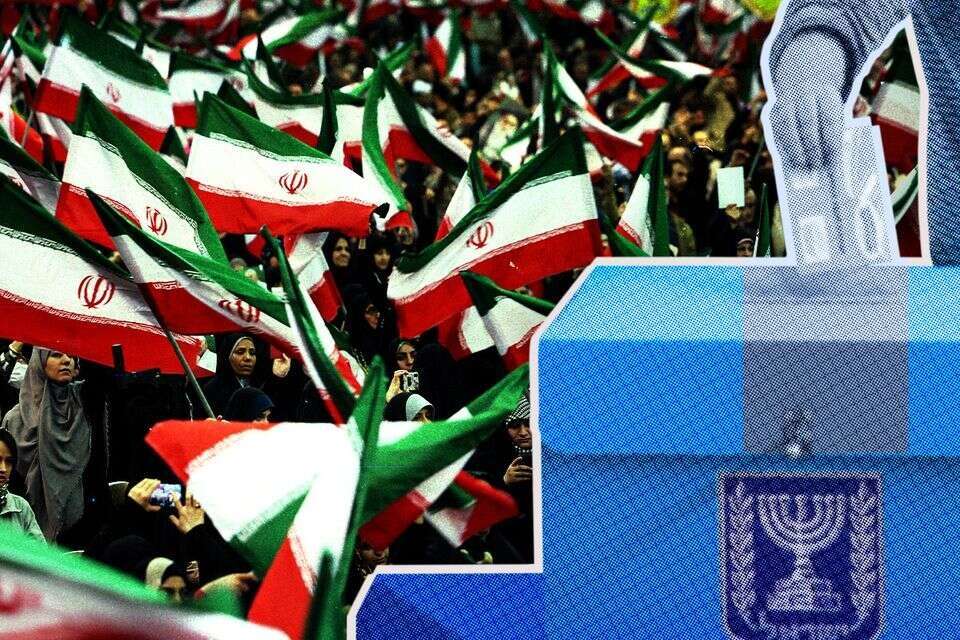
As we wrote eight months ago, Iran's influence operations pose a clear and immediate danger to Israel's democratic process. It is now evident that they have already begun, as Shin Bet security agency Director David Zini told the Knesset Foreign Affairs and Defense Committee's Intelligence Subcommittee. From Tehran's perspective, Israel's election campaign presents a unique, perhaps unprecedented, opportunity to deepen the divisions within Israeli society while it is engaged in a military confrontation with the country.
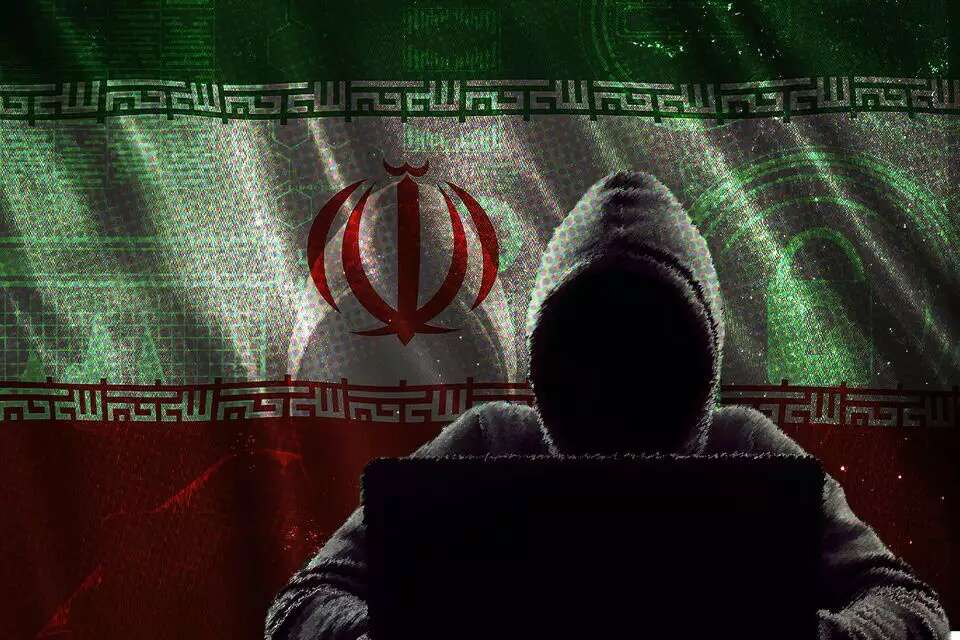
As it routinely does, Tehran is operating a broad network of fictitious entities on social media, using them as an effective means of spreading disinformation. The regime devotes extensive resources to this apparatus, which includes dozens of people working in dedicated Islamic Revolutionary Guard Corps units whose sole function is to advance influence operations, not only in Israel. The Iranians have accumulated this knowledge in recent years through their sustained engagement with Israeli society, and they are using it to refine their operations ahead of Election Day.
Contrary to claims made in Israel, Iran does not support one side of the political divide at the expense of the other. Its objective is not to determine who wins the election, but to deepen the division itself. Tehran seeks to widen the rifts among the Israeli public and weaken the country, based on the clear understanding that a divided society is less capable of confronting the security, diplomatic and social challenges it faces. In other words, the more fractured Israeli society becomes, the further Israel will be from being able to fight effectively. This is the logic guiding the Iranian effort, which is why it does not depend on the identity of the winner.
An analysis of Iran's previous influence attempts, particularly during Israel's last election campaign, makes clear that Tehran does not intend to wait until Election Day itself. In the first stage, it will seek to influence the way the political system organizes ahead of the election, among both the Jewish and Arab publics, so that the emerging political landscape serves its objective of creating chaos. In the second stage, on Election Day, it is likely to activate covert assets in selected social media groups to spread fake news and disinformation and undermine the integrity of the voting process. In the third stage, after the polls close, it will attempt to cast doubt on the election results themselves.
The danger is not confined to social media. Past experience has shown that Iran has greatly improved its ability to recruit people inside Israel, whether by deceiving them or offering financial incentives, and to deploy them in the physical sphere as well. Hanging signs, organizing demonstrations and carrying out similar activities that have already been seen in Israel could all recur in the coming months. Tehran's extensive familiarity with Israeli society makes it easier for it to identify suitable recruits.
Attempts by foreign powers to interfere in elections in democratic countries are nothing new, and the actors are almost always the same: Russia and Iran in the US, and Russia across Europe and in other nations around the world. A new tool, however, has now entered the picture. Artificial intelligence is expected to serve as the main instrument of the campaign. The regime is using it to lend credibility to the assets it operates and attract viewers to the messages it seeks to spread. It may also do so through Israeli influencers who are manipulated into participating without knowing who is behind the operation.
At the same time, Iranian cyber operatives and influence specialists are expected to work together to flood the internet with information obtained by hacking Israeli websites, using the stolen material to support the effort to undermine the election process.

The main task facing Israel's security agencies is to uncover the assets the Iranians have already prepared, as well as those they are currently developing. This is no simple task, as the Iranians have become significantly more sophisticated in recent years and deliberately create distinctions among their assets, making it difficult to connect them and identify them as components of a single network. Civil society organizations also have an important role to play. These groups work every day to keep online discourse free from foreign interference. Combining government efforts with the work of organizations experienced in detecting foreign activity on social media will improve Israel's ability to identify the Iranian campaign and, most importantly, thwart it.
The problem is that Israel is unprepared. A State Comptroller's report found that nine years after the threat was first identified, Israel still has no national policy on the issue and no government body leading the response. The country's political and security instability, the comptroller found, constitutes "fertile ground that enables domestic and foreign actors to exploit social divisions and undermine public trust in democratic institutions."
Finally, one point must be made clear: This campaign is unrelated to whether the military escalation with Iran resumes. Even if not a single missle falls, Tehran will continue working to deepen the divisions within Israeli society and will view the election as an opportunity it cannot afford to miss. Israel must prepare in advance. The Iranians' ability to damage the election process must not be underestimated, as the consequences could prove deadlier than any missile.