Following the publication of the text of the historic framework agreement between Israel and Lebanon, signed through US mediation and declaring an aspiration to formally end the state of war between the two countries, the agreement's classified security annex has now also been revealed. According to the Saudi outlet Asharq Bloomberg, the annex details the practical mechanism intended to enable the disarmament of Hezbollah and the other non-state armed organizations, the restoration of Lebanese state control in southern Lebanon, and the redeployment of IDF forces outside Lebanese territory, but only in a gradual, conditional and verified manner.
The security annex is effectively the operational part of the framework agreement. If the agreement itself sets out the diplomatic goal of ending the conflict, restoring full Lebanese sovereignty and ensuring Israel's security, the annex defines how the parties are supposed to advance toward that goal in practice: pilot zones, the clearing of terrorist infrastructure, third-party verification, Lebanese Army deployment, an indirect military coordination mechanism between Israel and Lebanon, and finally a gradual reduction of the IDF presence based on performance on the ground.
Below is the text of the security annex, as published by Asharq Bloomberg, alongside an analysis of the significance of each clause.
Pilot zones designation
The parties will immediately designate and launch the initial pilot zone in the South Litani Sector in an agreed upon military planning process using a four-step model.
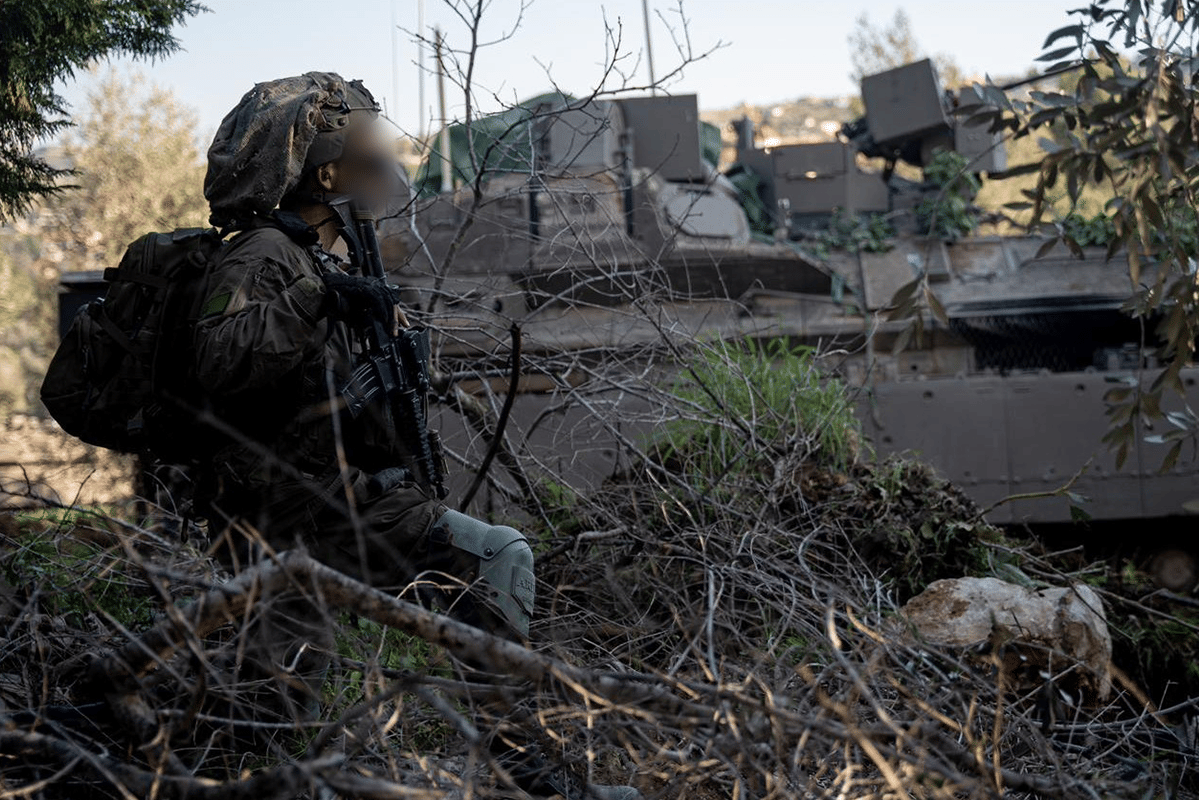
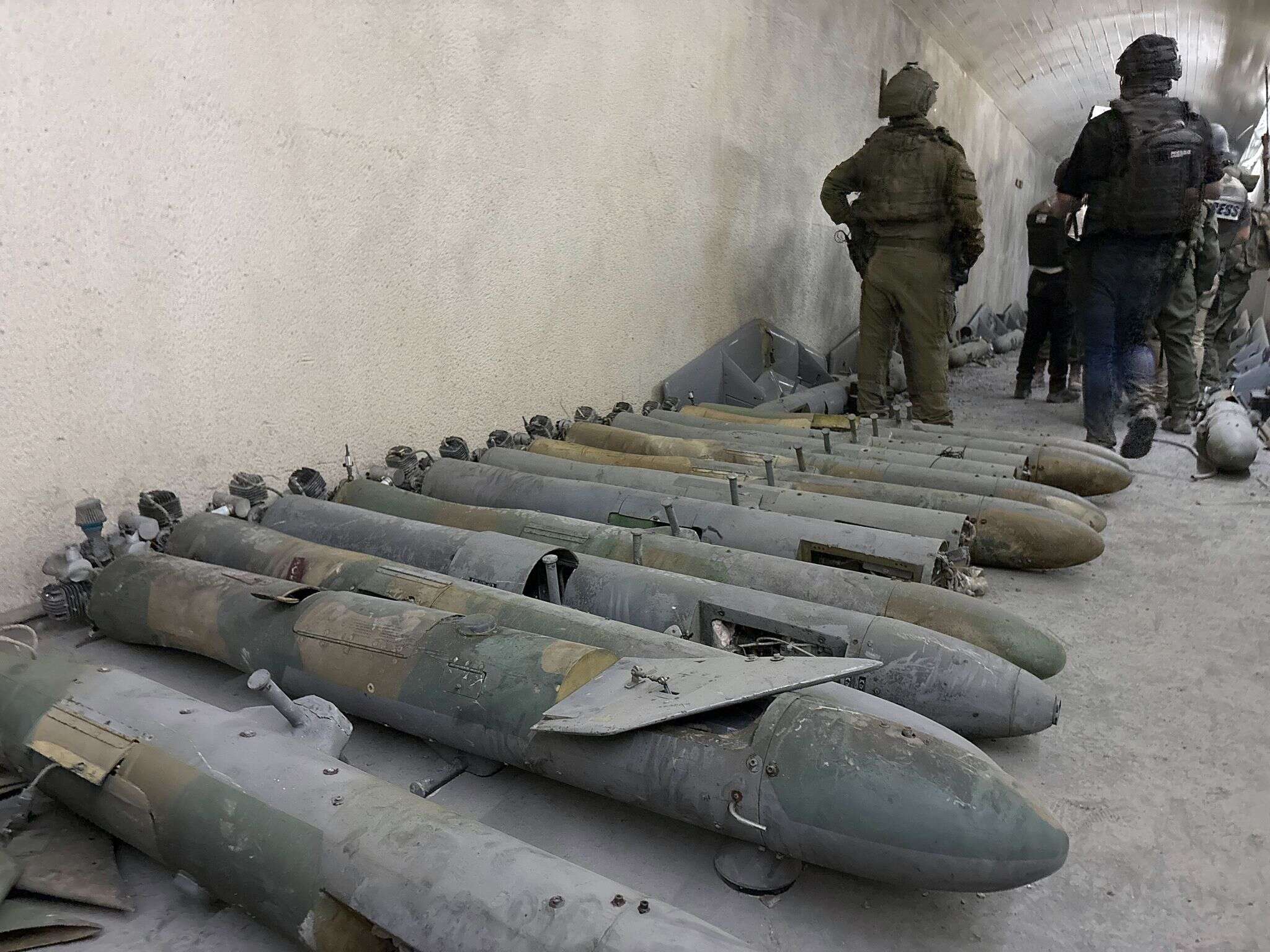
1) Clearance, taking legal measures against all non-state armed personnel engaging in unauthorized activity, and destroy or render inoperable associated infrastructure, including but not limited to weapons, weapons caches, tunnels, and command centers, by those non-state armed groups.
2) Verification of clearance of all non-state armed groups and their military infrastructure by a mutually agreed-upon third-party entity.
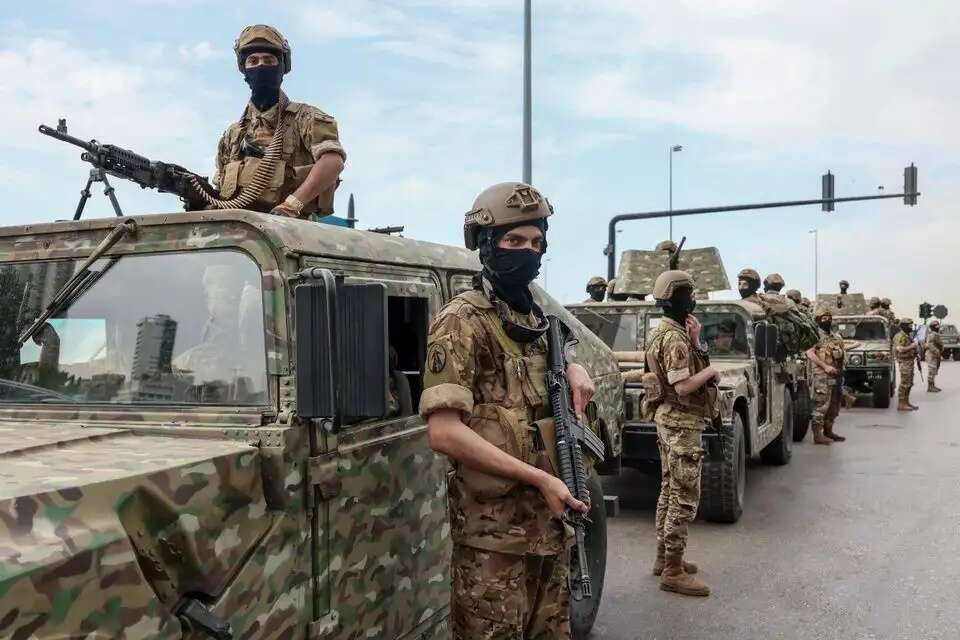
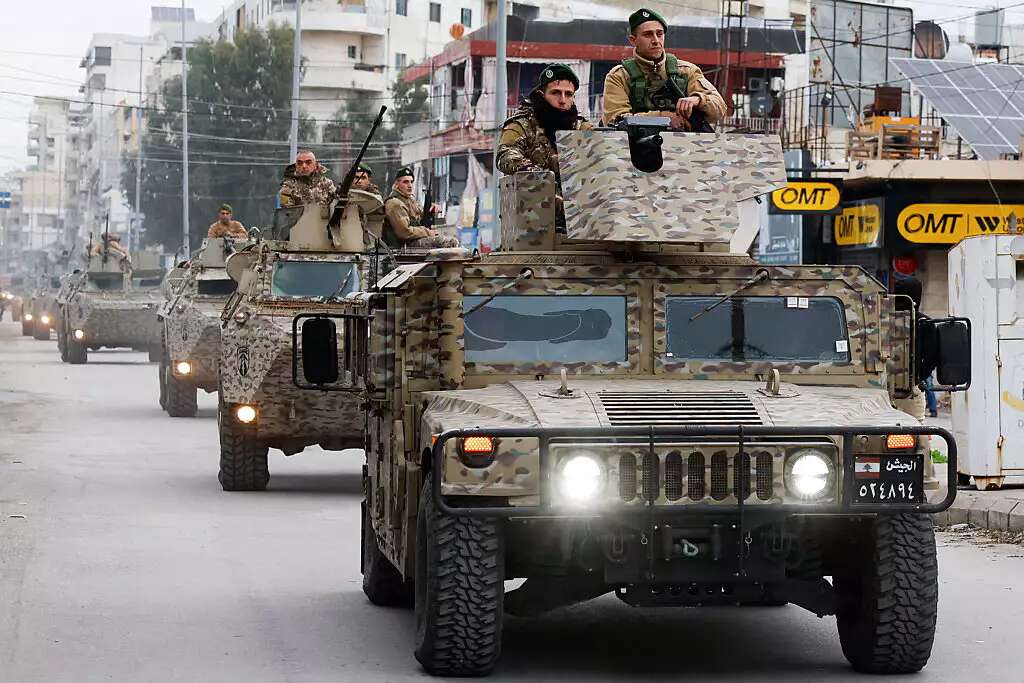
3) Presence of highly-qualified Lebanese Armed Forces (LAF) that assume and maintain sole operational control, to prevent any resurgence of non-state armed activity.
4) The Lebanese state leads reconstruction efforts, supported by international assistance and coordinated through the political track.
This is the central clause that translates the principle of demilitarization into a working model on the ground. The most important point is that an Israeli withdrawal is not presented as a first step, but as the possible result of a process: first the area is cleared of Hezbollah infrastructure and other armed groups, then external verification takes place, and only afterward is the Lebanese Army deployed as the sole force holding operational control.
The area south of the Litani is the core zone from which Hezbollah operated against Israel for years, and it is the basis for Israel's demand for genuine demilitarization, not just diplomatic declarations. The clause also states that the effort is not limited only to armed fighters, but includes infrastructure: weapons, warehouses, tunnels and command centers. In other words, the goal is not only to remove operatives from the area, but to dismantle their military ability to return and operate there.
The reconstruction stage also comes only at the end of the model. The significance is that international money is not supposed to enter the area before it has been determined that there is no Hezbollah military infrastructure there and that the Lebanese Army holds effective control. In this way, the annex seeks to prevent the familiar pattern in which areas in southern Lebanon are rebuilt on the civilian level while Hezbollah simultaneously rebuilds its military assets there.
Implementation and verification
The LAF will lead the implementation of this model with success measured by verifiable implementation of the disarmament and dismantlement process to be agreed upon within this negotiation framework. Israel and Lebanon will establish the Military Coordination Group for Lebanon (MCG4L), tasked with the mission to operate 24/7, managing deconfliction, verification, and overall implementation. This cell will report to the respective political authorities of Israel and Lebanon via indirect military-to-military channels between Israel and Lebanon. Ongoing verification will occur simultaneously with clearing operations.
The second clause establishes two important principles: The primary responsibility for implementation will rest with the Lebanese Army, but the test will not be declarative, but verifiable. In other words, Lebanon will not be able to suffice with announcing that it has deployed forces or declared demilitarization, but will be required to prove in practice that the weapons and infrastructure have been dismantled.
The main innovation is the establishment of the Military Coordination Group for Lebanon, MCG4L, which will operate around the clock and deal with preventing friction, verification and implementation. The wording is important because while a permanent security mechanism has been established between Israel and Lebanon, at this stage it is being kept in indirect channels. In other words, this does not necessarily amount to full military normalization or public direct contact between the two armies, but rather a mediation mechanism that enables operational coordination under a US umbrella.
Even so, the fact that verification will take place in parallel with the clearing operations, and not only at the end, is meant to prevent Hezbollah from being able to hide, transfer or rebuild infrastructure while the process is underway. From Israel's perspective, this is one of the critical clauses: It stipulates that progress will not depend solely on a political timetable, but on the ability to measure on the ground whether demilitarization is actually taking place.
Security commitments
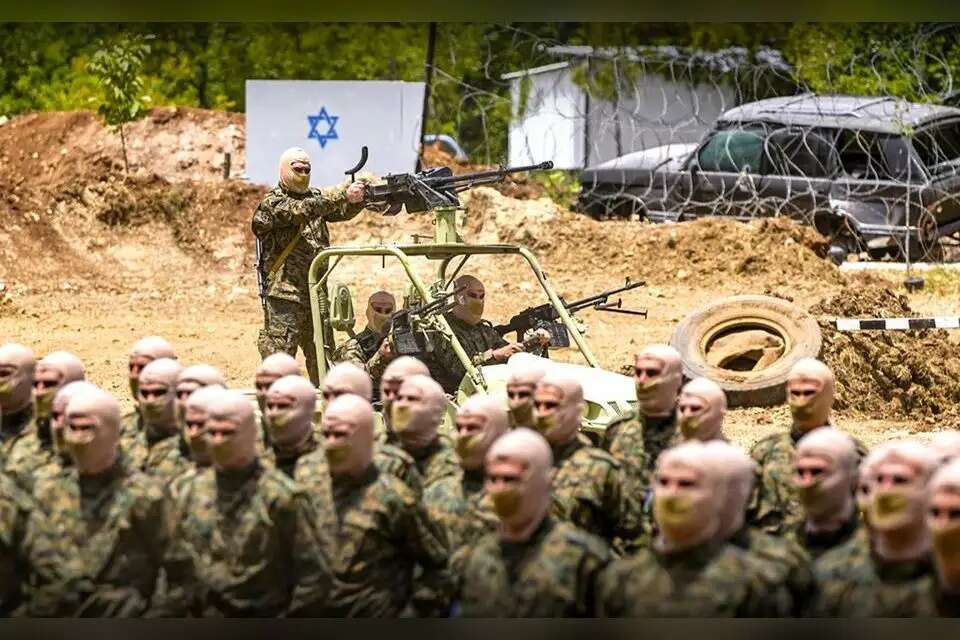
The LAF commits to take necessary operational measures to ensure the disarmament of Hezbollah and all other non-state armed groups, and that they have no military role or capability within Lebanon.
This may be the most direct clause in the annex. Unlike more ambiguous diplomatic formulations, Hezbollah is mentioned here by name, and the Lebanese Army commits to acting to disarm it. This is not just about southern Lebanon, nor only about pushing Hezbollah away from Israel's border. It is a broader determination: Hezbollah and every other non-state armed organization will have "no military role or capability inside Lebanon."
The legal and diplomatic significance of this wording is far-reaching. For years, Hezbollah has relied on a dual formula: participation in Lebanon's political system on the one hand, and preservation of military power independent of the state on the other. This clause seeks to dismantle that duality and establish that there will no longer be armed forces with military capability in Lebanon outside the framework of the state.
However, this is also the most sensitive clause in terms of the ability to implement the agreement. The Lebanese Army is being required to carry out a mission it has avoided for years: a direct confrontation, or at least a coercive process, vis-a-vis Hezbollah. That is why the previous clause, establishing the verification and oversight mechanism, is especially important. Without external measurement and US support, such a commitment could remain on paper only.
Phased redeployment
Pending successful completion of an agreed upon and verifiable disarmament and dismantlement process, Israel commits to a phased, conditions-based, progressive reduction and eventual redeployment of its forces from Lebanese territory, planned and sequenced through the MCG4L, to coincide with LAF deployment.
The fourth clause anchors one of Israel's main achievements: There is no commitment here to an immediate or automatic withdrawal. The IDF's "redeployment" from Lebanese territory is conditional on the successful completion of a demilitarization and infrastructure dismantling process, and on that process being agreed and verifiable.
The words "phased," "conditions-based" and "progressive" are the heart of the clause. They stipulate that every Israeli move will be tied to performance on the ground, not to diplomatic pressure or a rigid timetable. In addition, the Israeli reduction is supposed to take place in parallel with the deployment of the Lebanese Army, so that no security vacuum is created into which Hezbollah could return.

Here, too, the role of the coordination group stands out: The redeployment will not be carried out unilaterally, but through planning and timing via the coordination mechanism. From Israel's perspective, this means the oversight mechanism is supposed to serve as an additional security layer between the diplomatic commitment to withdrawal and the operational reality on the ground.
Desired outcome
As part of the broader effort relating to the disarmament and dismantlement of all non-state armed groups as mutually agreed upon within this negotiation framework, restore full Lebanese state authority throughout Lebanon and ensure the long-term security of Israel.
The fifth clause defines the central goal of the process: not only temporary quiet on the border, but a structural change in Lebanon. The aim is to restore the full authority of the Lebanese state across the entire country, while also ensuring Israel's long-term security.
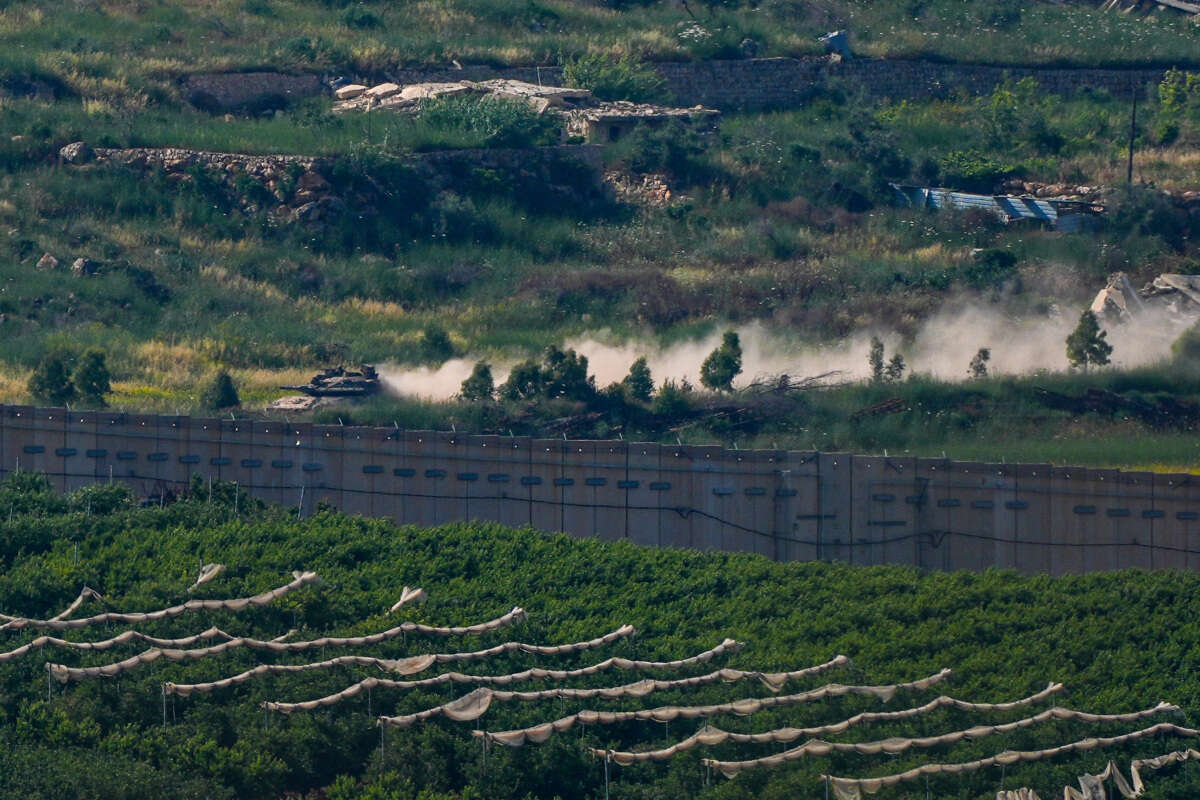
This wording links Israel's interest to the Lebanese government's declared interest. From Israel's perspective, the problem is not the very existence of Lebanon as a neighboring state, but the fact that Hezbollah has operated from within it as an independent army backed by Iran. From the perspective of the Lebanese government, the annex presents the demilitarization of Hezbollah not only as a concession to Israel, but as a condition for restoring the sovereignty of the Lebanese state.
This is also the point at which the agreement separates, at least in principle, the Lebanese arena from Iran. If the Lebanese state is meant to hold full authority over all its territory, and if no non-state armed organization is meant to retain military capability, the implication is that Hezbollah is left with no legitimate status as an Iranian military arm embedded inside Lebanon.
Oversight and dispute resolution
The parties, with US facilitation, will conduct periodic reviews of the implementation and may amend this Annex by mutual agreement. Any disputes regarding its interpretation or execution will be resolved through trilateral discussions.
The final clause gives the US a continuing role in the dialogue between Israel and Lebanon, not merely the role of mediator at the signing stage. The parties will conduct periodic reviews of implementation with US assistance, and will be able to amend the annex only by mutual consent. In other words, neither side can unilaterally change the rules of the game after signing.
The determination that disputes will be resolved in trilateral discussions is meant to prevent immediate escalation in every case of disagreement. Instead of every dispute over interpretation or implementation becoming a military crisis, the annex creates a diplomatic-security channel in which the US is in the room, and Israel and Lebanon are required to manage the disagreement within an agreed framework.
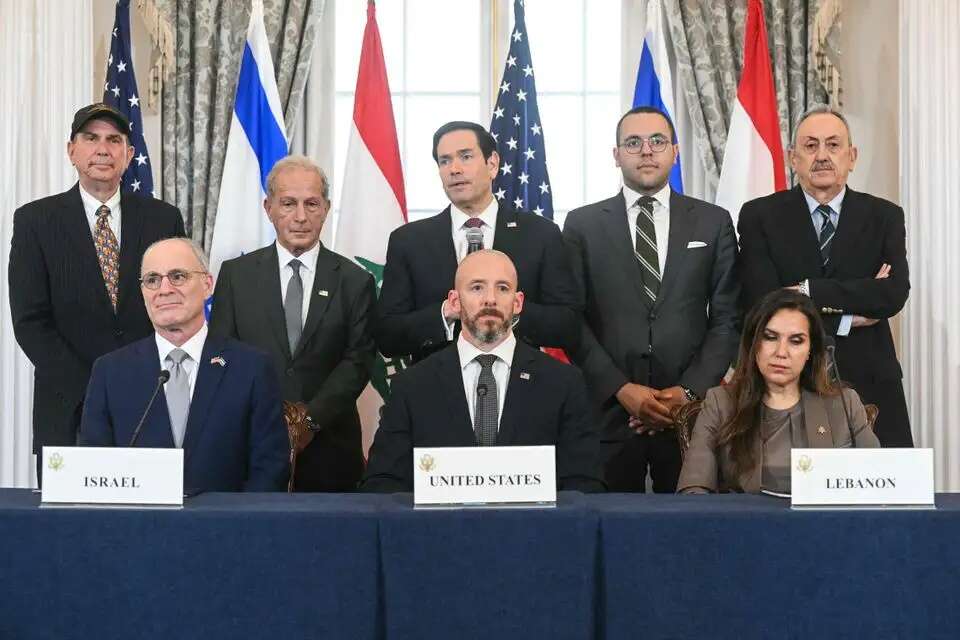
At the same time, the clause leaves many questions open: What happens if the Lebanese Army does not want to, or cannot, disarm Hezbollah? What will count as "successful completion" of the infrastructure dismantling process? And what will Israel's response be if Hezbollah tries to rebuild its power in an area that has already been declared cleared?
The security annex is not the end of the road, but the beginning of an implementation test. It sets out a clearer framework than existed in the past: demilitarization first, verification as the process unfolds, deployment of the Lebanese Army, and only then Israeli redeployment. But its success depends on the biggest question in Lebanon since the end of the civil war: whether the Lebanese state, with US and international assistance, is truly capable of disarming Hezbollah, and not merely declaring its intention to do so.