


One does not need to be a military general or strategic expert to recognize the achievements of the agreement that took effect in the north days ago. Even an average citizen, a reservist like the writer of these lines, understands that breaking the Hamas-Hezbollah axis is a dramatic event.
As we recall, the first two days of the war—October 7 and 8—were marked by immense tension over the question of what Hezbollah leader Hassan Nasrallah would do. Would he join the war alongside Hamas, or abandon his allies in Gaza? Nasrallah opted for a middle path, half-tea, half-coffee. Hezbollah forces did not breach the front line or launch a ground offensive against Israel, but they did not abandon Hamas either.
Hezbollah immediately began a war of attrition on Israel's northern front, escalating its attacks. Initially, the group primarily launched anti-tank missiles along the front, but over time, the range of attacks expanded deeper into Israeli territory. Efforts to end the fighting in the north repeatedly failed against the principle Nasrallah set: no agreement in the north without a parallel agreement in Gaza.
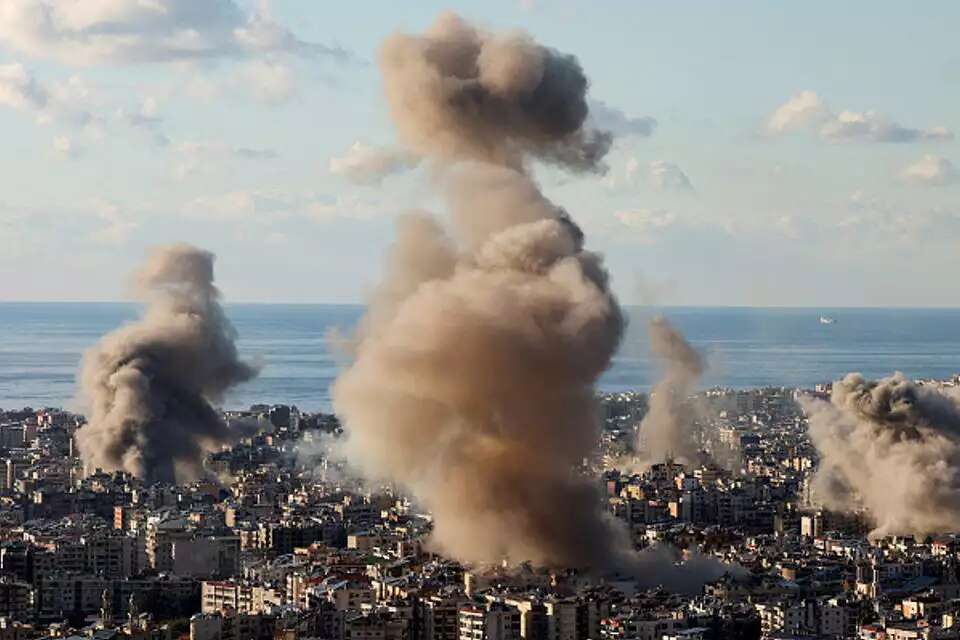
Although Hamas may have initially been disappointed that Hezbollah did not fully join the war, it quickly recognized the unparalleled value of its northern ally. Nasrallah's backing allowed Hamas leader Yahya Sinwar to take a hard line in negotiations, knowing that Israel was under pressure to reach an agreement—arguably even more so than Hamas itself. The stability of the Hezbollah-Hamas axis during the first year of fighting was one of the main reasons for the failure to secure a second hostage deal. Israel's struggle on two active fronts made it easier for Hamas to avoid concessions, even when its forces suffered severe blows.
A major achievement for Israel—but at what cost?
Ironically, the agreement in the north provides Israel with a significant achievement against Hamas. While it is too early to make predictions, there is reason to be optimistic about the prospects for a hostage deal. Hamas is now weaker and more isolated than ever, making it more vulnerable and pliable. Breaking the axis is a remarkable achievement, especially given the pessimism voiced by experts across media outlets, who had doubted the feasibility of continued fighting in the north without a comprehensive agreement that also addressed the Gaza conflict.
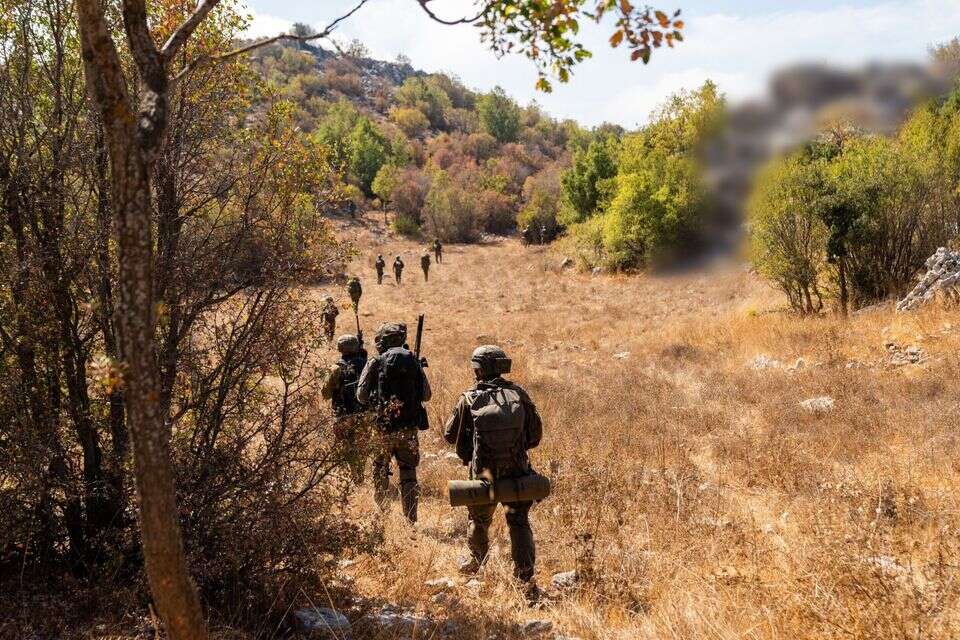
The agreement offers additional benefits, chief among them easing the burden on the IDF's reserve forces and creating a reprieve to replenish depleted ammunition and equipment. However, these advantages come with the risk of a strategic trap that could place Israel in grave danger within just a few years—similar to the peril it faced on October 6, 2023.
A fragile agreement
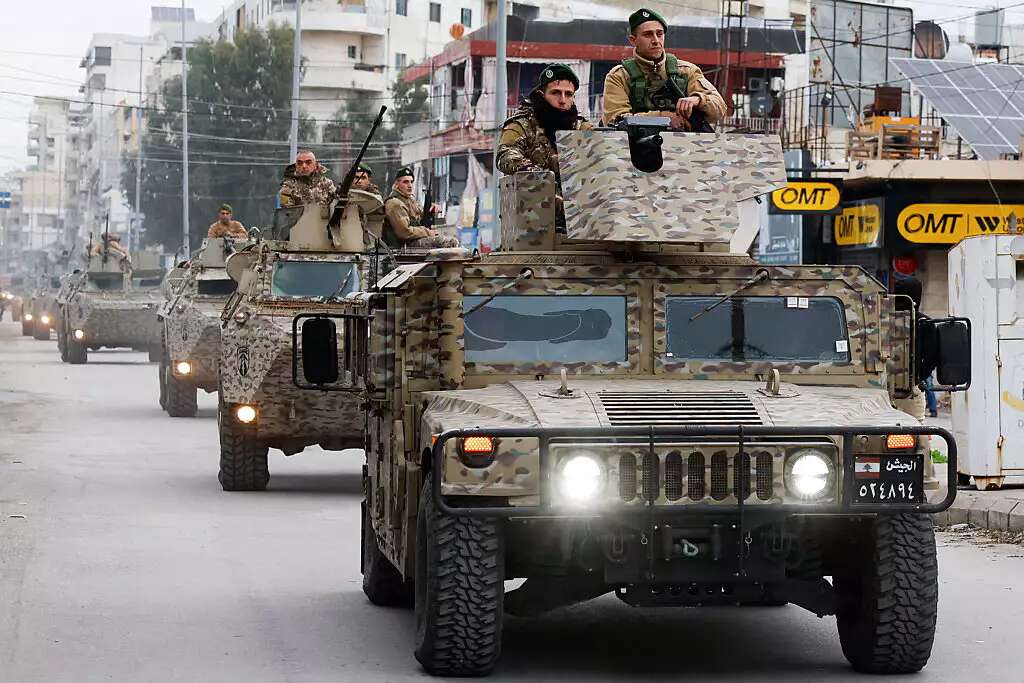
Anyone writing about security and policy issues faces the risk of limited information, as civilians are not privy to all the considerations of the political echelon. Still, based on publicly available data, this agreement appears to be little more than an upgraded version of UN Resolution 1701. It does not mandate Hezbollah's disarmament or the establishment of a security buffer zone near the border. While the agreement grants Israel some freedom of action, it will make it harder to prevent Hezbollah's rearmament along the border in the long term.
Since the end of the Second Lebanon War, Hezbollah has invested vast resources in preparing for an attack on Israel, a plan that would dwarf the events of October 7. This was no security secret; some of it was even partially published in Israeli and international media. During Operation Northern Arrows, these attack infrastructures were uncovered in every frontline village. While the IDF has officially revealed some findings, much remains classified. This infrastructure, armed and ready for attack and defense, was prepared for Hezbollah's elite Radwan Unit to use when called upon.
The fact that these resources were not deployed on October 7 due to Nasrallah's and Iran's considerations—and that Israel had time to evacuate border communities and prepare for defense in the north—was nothing short of miraculous.
A missed opportunity?
While Hezbollah was preparing for war, Israel was not idle. The operation involving pager communications and infiltration devices, the intelligence that enabled the elimination of senior Hezbollah figures, and the extensive and precise target acquisition efforts across Lebanon—these measures have been years in the making. Their maturity allowed Israel to shift from defense to offense with greater speed and force than imagined.
Operation Northern Arrows gave Israel a one-time opportunity to leverage these accumulated assets to deal a severe blow to Hezbollah militarily and politically. The window of opportunity opened, but it has now closed. With the conclusion of the operation, Israel must begin anew to build the capabilities necessary to strike Hezbollah decisively in the future.
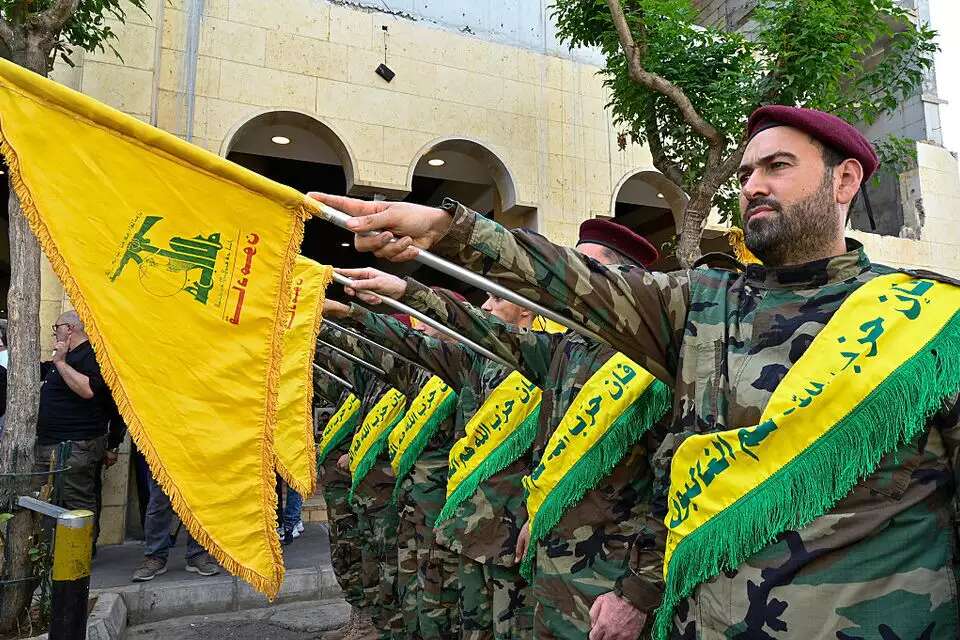
In the meantime, Hezbollah remains undefeated, and the agreement with Lebanon allows it to almost immediately resume its arms race. It is far from certain that Israel will accumulate sufficient offensive assets to neutralize Hezbollah quickly before it prepares for another offensive. There is no guarantee that a measure equivalent to the beeper operation will be ready in time. Additionally, it is unclear how long it will take Israel to regain the operational and intelligence capabilities it expended in the past two months.
Signing the agreement now, without a robust security zone and without disarming Hezbollah, may leave Israel at a strategic disadvantage within a decade—or possibly sooner—endangering its northern communities. Is this a calculated risk or recklessness that could carry a terrible cost? Only time will tell.


