Israel Hayom is a media organization founded on the belief that the Israeli public deserves better journalism—more balanced, more accurate, and more reliable. Journalism that speaks rather than shouts. Journalism that is trustworthy, objective, and matter-of-fact. A different kind of journalism, offered free of charge. The first print edition was published on July 30, 2007, and in 2010 Israel Hayom became the Israeli newspaper with the highest weekday readership. The newspaper’s publisher is Dr. Miriam Adelson. Its Editor-in-Chief is Omar Lachmanovitch, and its founding editor is Amos Regev. Israel Hayom’s Hebrew and English websites, as well as its Android and iOS applications, provide around-the-clock news coverage, exclusive content, breaking news and updates, analysis and commentary, video, podcasts, and live broadcasts. The digital platforms of Israel Hayom include news and opinion channels covering culture and entertainment, lifestyle, technology, sports, business and consumer affairs, health, military affairs, food, Judaism, tourism, and automobiles. In 2021, a new Hebrew-language website and mobile application were launched to provide users with a fast, up-to-date, secure, and convenient experience. The content of the newspaper’s print edition is also available online through a daily digital edition and can be received via newsletter. “The Israel Hayom Clique,” the publication’s exclusive benefits club, offers website users discounts and special promotions on products and services. Israel Hayom welcomes feedback, criticism, and suggestions for improvement from its readers. You can contact the organization by email at hayom@israelhayom.co.il

Friday Jul 10, 2026
NEWSLETTER
www.israelhayom.com
  • Home
  • News
    • Israel
    • Israel at War
    • Middle East
    • United States
  • Opinions
  • Jewish World
    • Archaeology
    • Antisemitism
  • Lifestyle
    • Food
    • Travel
    • Fashion
    • Culture
  • Magazine
    • Feature
    • Analysis
    • Explainer
  • In Memoriam
www.israelhayom.com
  • Home
  • News
    • Israel
    • Israel at War
    • Middle East
    • United States
  • Opinions
  • Jewish World
    • Archaeology
    • Antisemitism
  • Lifestyle
    • Food
    • Travel
    • Fashion
    • Culture
  • Magazine
    • Feature
    • Analysis
    • Explainer
  • In Memoriam
www.israelhayom.com
Home Commentary

What we missed in Lebanon

Why did we wait until the ceasefire declaration to launch a "finale" strike of eight aircraft against 20 targets in the heart of Dahiyeh, instead of striking with such force throughout recent months?

by  Prof. Eyal Zisser
Published on  12-02-2024 11:00
Last modified: 12-02-2024 13:54
Israel will address latest Hezbollah provocation, officials stress

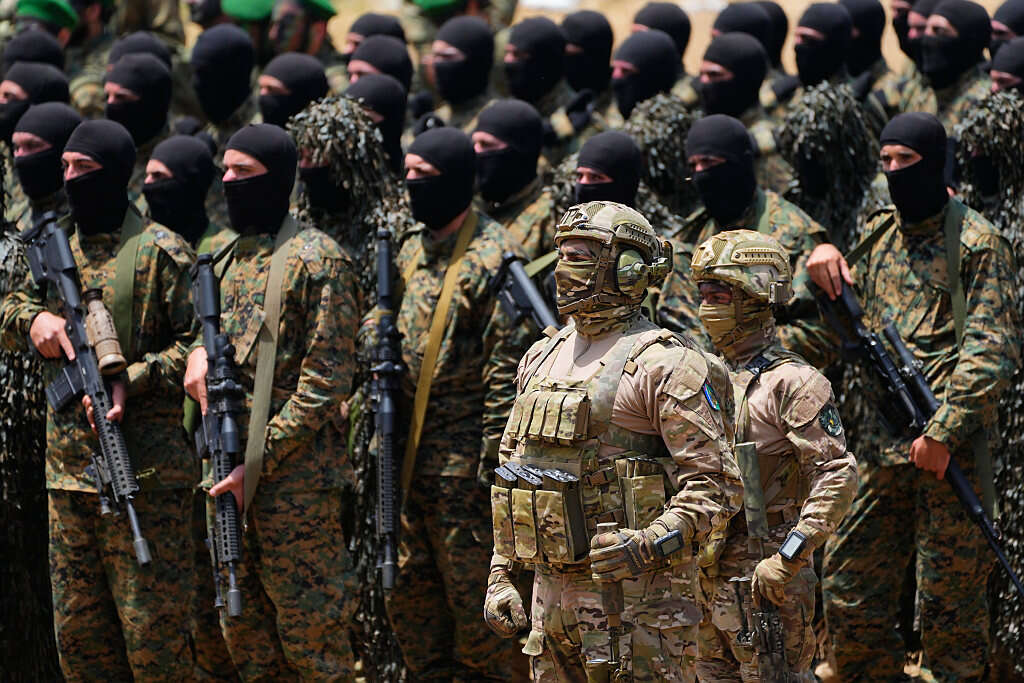
Hezbollah training in the Aaramta village of the Jezzine District, southern Lebanon, May 21, 2023 (AP/Hassan Ammar) | Photo:

Share on FacebookShare on Twitter

The third Lebanon war has ended, assuming it won't resume when Donald Trump enters the White House in late January 2025. That's when the first phase – the test phase – of the settlement agreement between Lebanon and Israel is set to conclude.

While in Lebanon, Hezbollah celebrates its "victory" as explained by its deputy leader, Naim Qassem: "We survived the attempt to eliminate us, and therefore we are the victors," the mood in Israel is even more bitter than after the Second Lebanon War. That previous conflict began with poor intelligence about Hezbollah, insufficient missile defense systems, and doubts about ground forces' capabilities against the organization. These factors forced Israel to accept UN Resolution 1701, a "Swiss cheese resolution" that Hezbollah was clearly never going to honor.

This time, the starting point was different, yet we end this campaign with a sense of missed opportunity. Perhaps there was no alternative, but hopefully no one in Israel harbors illusions about "another Lebanon" or believes that the Lebanese government or army will want to or be able to "tame" Hezbollah, or that UNIFIL and similar forces that failed in their mission over the past two decades will succeed this time.

Rather than prophesying about the future, we should try to understand why we missed the opportunity to decisively defeat Hezbollah.

Operation Northern Arrows (which the IDF didn't even designate as a war) began unexpectedly in September 2024, and its end was equally surprising, resulting from multiple incidents along the border and developments in Israel's political arena. Consequently, the IDF entered the campaign with minimal objectives – returning northern residents to their homes – and thus with a risk-averse, minimal plan, paralyzed by the prevailing fear of Hezbollah. The campaign primarily consisted of limited friction with Hezbollah along the border and preemptive strikes against its capabilities.
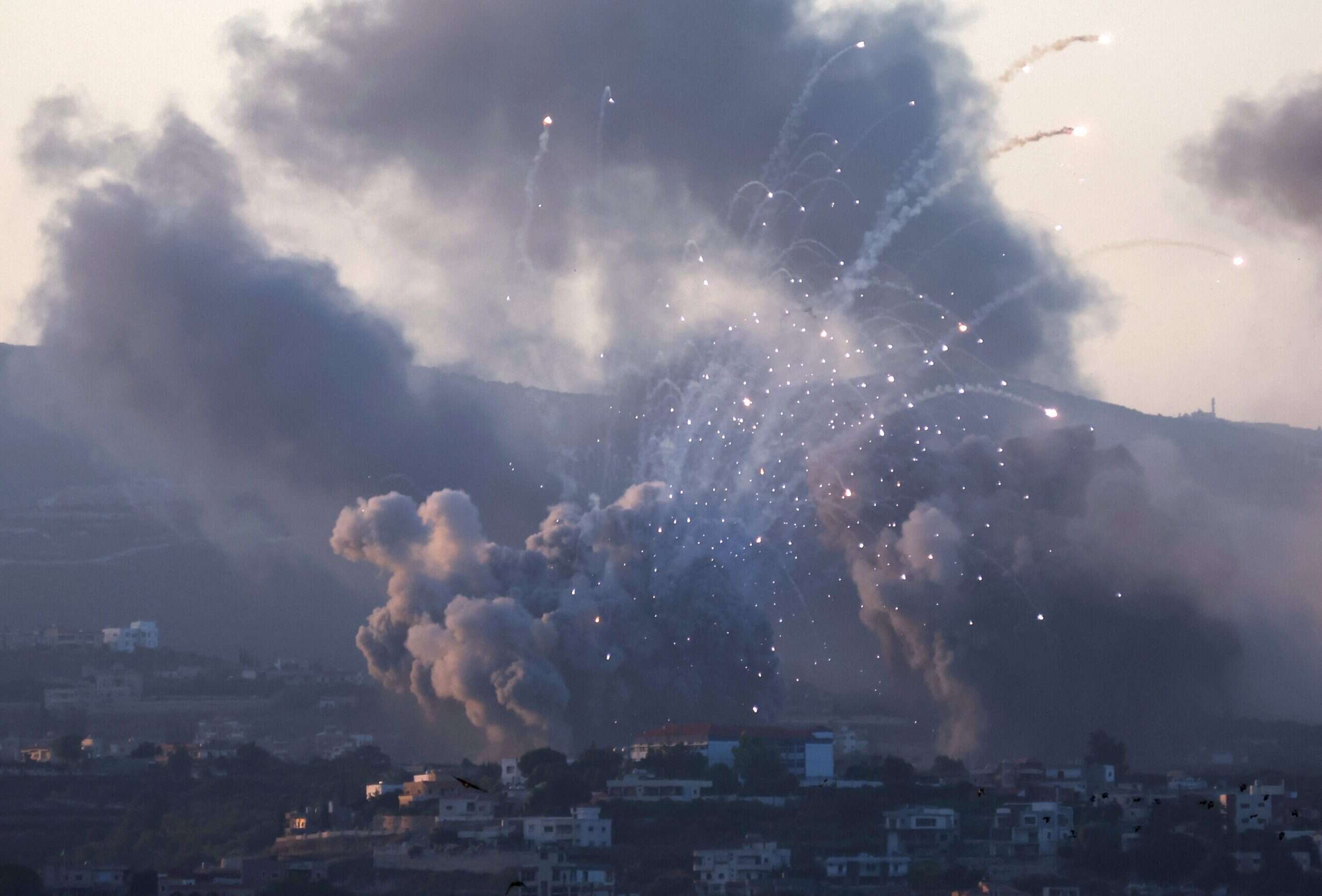
Smoke billows over southern Lebanon following Israeli strikes, Sept. 23, 2024 (Reuters/Aziz Taher) Reuters/Aziz Taher

However, once it became clear that the fear of Hezbollah was exaggerated, and after the dire predictions about its ability to launch thousands of missiles daily, paralyze life in Israel, and cause thousands of casualties proved false – the war's objectives and conduct should have been modified.

This primarily meant extracting a heavy price from both the organization and the Lebanese state, which cooperates with and shelters it, in a way that would break its backbone, eliminate its capabilities, and create deterrence for many years to come.

Yet Israel refrained from attacking Lebanese state institutions due to American pressure, or because some here still maintain the illusion of "another Lebanon." We should remember that voices from Lebanon suggesting all Lebanese oppose Hezbollah are merely a façade, as they neither acted nor will dare act against it.

This doesn't mean targeting Lebanon's critical infrastructure, which would have provoked criticism in Washington, but rather striking state symbols and the Lebanese army, Hezbollah's collaborator, in the organization's strongholds in the south and the Bekaa Valley.

Israel barely touched the organization's political and social wings, its institutions, and economic enterprises. Why did we wait until the eve of the ceasefire to conduct a "finale" strike against 20 targets in the heart of the Dahiyeh, instead of executing similar or more powerful attacks throughout recent months?

Finally, once it became clear that Hezbollah fighters posed no significant threat to IDF soldiers, it was both possible and necessary to deepen the ground maneuver into the heart of Hezbollah-controlled southern Lebanon.

Perhaps the political leadership had good reasons to agree to a ceasefire with Hezbollah, thereby throwing it a lifeline. Still, it's difficult to understand how our war of existence following Oct. 7 transformed into a limited, truncated military operation in the Lebanese arena. We can only hope that when the fourth Lebanon war erupts – its countdown began last week – we'll be blessed not only with remarkable warriors and excellent intelligence but also with a more appropriate planning and decision-making process.


Tags: HezbollahLebanon War

Related Posts

India is Israel's insurance policy in a post-American world

India is Israel's insurance policy in a post-American world

by Dr. Oshrit Birvadker

The Indian prime minister's words were more than lip service and flattery. They were a compass that could show Israel...

Hamas standoff threatens Gaza stabilization, IDF poised to act

Israel is fighting tomorrow's war with yesterday's tools

by Zvi Hauser

Israel is losing its standing on the international stage because it continues to rely on military achievements alone, while the...

Vance meets Netanyahu with three hot-button issues on the agendaMarc Israel Sellem

Not isolated, not bloodthirsty

by Michael Oren

JD Vance's claim that Israel has no friends in the world misses the depth of its ties with countries such...

Menu

Analysis 

Archaeology

Blogpost

Business & Finance

Culture

Exclusive

Explainer

Environment


Features

Health

In Brief

Jewish World

Judea and Samaria

Lifestyle

Cyber & Internet

Sports


Diplomacy 

Iran & The Gulf

Gaza Strip

Politics

Shopping

Terms of use

Privacy Policy

Submissions

Contact Us

About Us

The first issue of Israel Hayom appeared on July 30, 2007. Israel Hayom was founded on the belief that the Israeli public deserves better, more balanced and more accurate journalism. Journalism that speaks, not shouts. Journalism of a different kind. And free of charge.

All rights reserved to Israel Hayom

Hosted by sPD.co.il

  • Home
  • News
    • Israel at War
    • Israel
    • United States
    • Middle East
    • Sports
  • Opinions
  • Jewish World
    • Archaeology
    • Antisemitism
  • Lifestyle
    • Food
    • Travel
    • Fashion
    • Culture
  • Magazine
    • Feature
    • Analysis
    • Explainer
    • Environment & Wildlife
    • Health & Wellness
  • In Memoriam
  • Subscribe to Newsletter
  • Submit your opinion
  • Terms and conditions

All rights reserved to Israel Hayom

Hosted by sPD.co.il

Newsletter

[contact-form-7 id=”508379″ html_id=”isrh_form_Newsletter_en” title=”newsletter_subscribe”]

  • Home
  • News
    • Israel at War
    • Israel
    • United States
    • Middle East
    • Sports
  • Opinions
  • Jewish World
    • Archaeology
    • Antisemitism
  • Lifestyle
    • Food
    • Travel
    • Fashion
    • Culture
  • Magazine
    • Feature
    • Analysis
    • Explainer
    • Environment & Wildlife
    • Health & Wellness
  • In Memoriam
  • Subscribe to Newsletter
  • Submit your opinion
  • Terms and conditions

All rights reserved to Israel Hayom

Hosted by sPD.co.il