

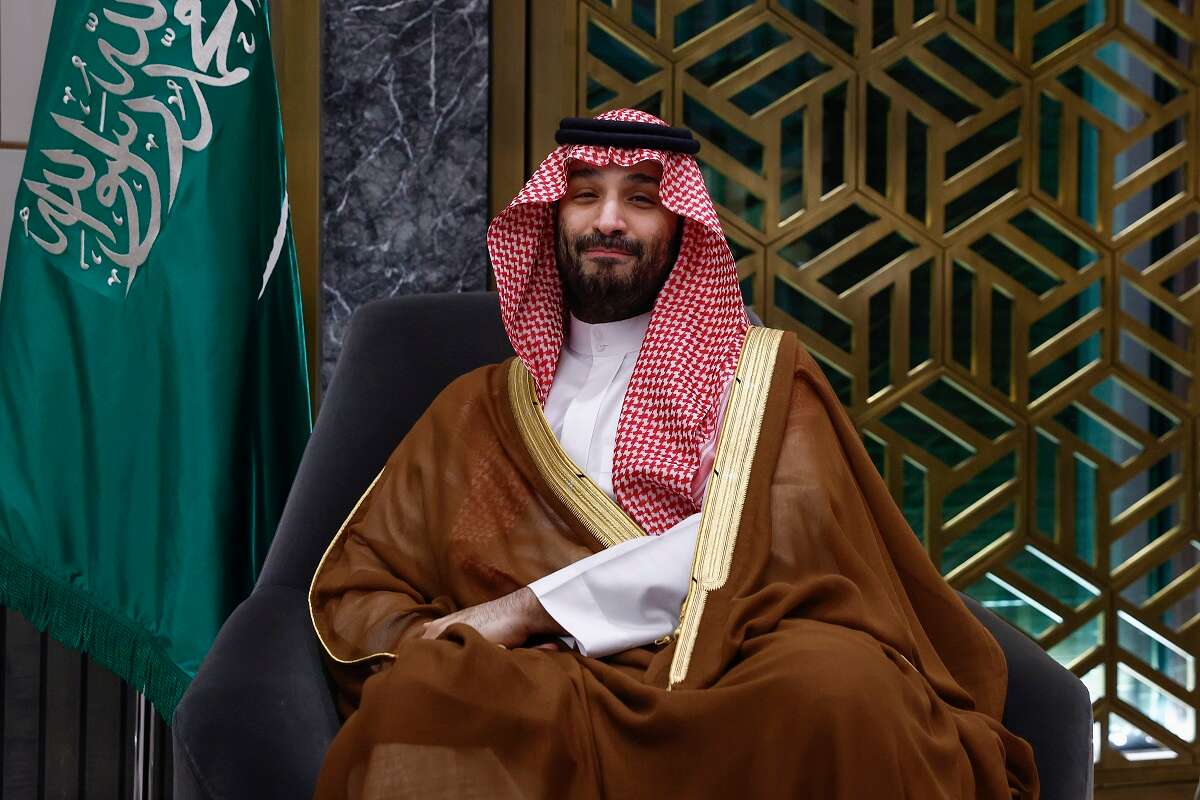
Normalization has become increasingly politicized, Saudi Arabia has developed a more nuanced understanding of Israeli dynamics, and security considerations have taken on unprecedented relevance. In an exclusive interview with Israel Hayom, senior Saudi researcher Dr. Aziz Alghashian provides insights into the intricate relationship between Riyadh and Jerusalem, while examining the profound impact of the Oct. 7 terror attack.
Born into a prominent Saudi family, Dr. Alghashian's early exposure to international diplomacy came through his childhood years in Washington, DC, where his father served at the Saudi embassy in the US. This experience sparked his enduring interest in Saudi foreign policy. After returning to Saudi Arabia in his youth, he pursued what he terms an "academic journey," completing his studies in Britain, earning his doctorate from the University of Essex, and teaching international relations and Middle East studies at the same institution. A central focus of his research has been examining why Israel and Saudi Arabia lack formal diplomatic relations despite their apparent convergence of interests.
"The relationship between Israel and Saudi Arabia doesn't follow a linear trajectory. In fact, this process often experiences significant setbacks. The notion that 'my enemy's enemy is my friend' isn't necessarily correct. Many observers view bilateral relations through this simplistic lens, and unfortunately, this perspective persists even now. Even Israel's ambassador to the United States, in his remarks to the Jerusalem Post, continues to embrace this view. However, the reality is far more complex. While shared interests exist, they don't automatically translate into official relations."
Ceasefire for normalization
Q: Recent reports indicate renewed interest from the Trump administration in reviving Israel-Saudi normalization talks.
"This clearly ranks among their [the Americans'] top priorities, but the relationship between Saudi Arabia and Israel and the potential for normalization hinges on two key elements – the Palestinian issue, and what can be offered through a US-Saudi agreement in the Senate. These two policy layers create inherent complexity. The outcome always depends on multiple factors.

"We've seen previous instances where normalization discussions were followed by regression. While I acknowledge ongoing efforts, I maintain that a permanent ceasefire is the primary prerequisite for normalization, among other conditions. Furthermore, the Saudis have consistently demanded credible and irreversible steps toward Palestinian statehood. It's worth noting that while these steps have been discussed, such conversations have typically remained confined to Israeli-Palestinian negotiations. The Palestinians must also engage in negotiations and articulate their requirements for these steps. This dynamic reflects the current state of Saudi-Palestinian cooperation. This is what we're observing.
"Regarding the Palestinian component in normalization, a two-state solution framework is essential. Any normalization framework lacking strong, credible, and concrete steps in this direction seems improbable. Why? The Saudis require internal legitimacy. This becomes particularly crucial when considering that not only the broader Arab population but also Saudi citizens are closely monitoring developments in Gaza (during the war).
"Additionally, the Saudis have gained a more sophisticated understanding of how Palestinian and Israeli dynamics have evolved. They've developed insights into Netanyahu's conflict management approach, which involves constraining moderate elements while enabling Hamas, making it difficult to accept superficial gestures toward normalization. The Saudis will need to confront this reality. It's remarkable how some parties seem unwilling to accept 'no' as an answer. The Israel-Saudi normalization issue has become highly politicized in both Israel and Washington, which explains why it generates such extensive discussion."
The Saudi researcher then elaborated on additional factors underlying the Palestinian issue's significance for Saudi Arabia. "From their perspective, this is fundamentally a security matter. Many overlook that it's not merely about legitimacy. I recall the terrorist attacks against Saudi Arabia, including a wave of al-Qaida violence. While this history might be forgotten or unknown to many outside Saudi Arabia, these terrorists consistently exploited the Palestinian issue.
When al-Qaida targeted the US, they characterized Americans as occupiers and facilitators of cooperation with Israel. This underscores the necessity of establishing a secure pathway toward Palestinian statehood."
The Palestinian issue
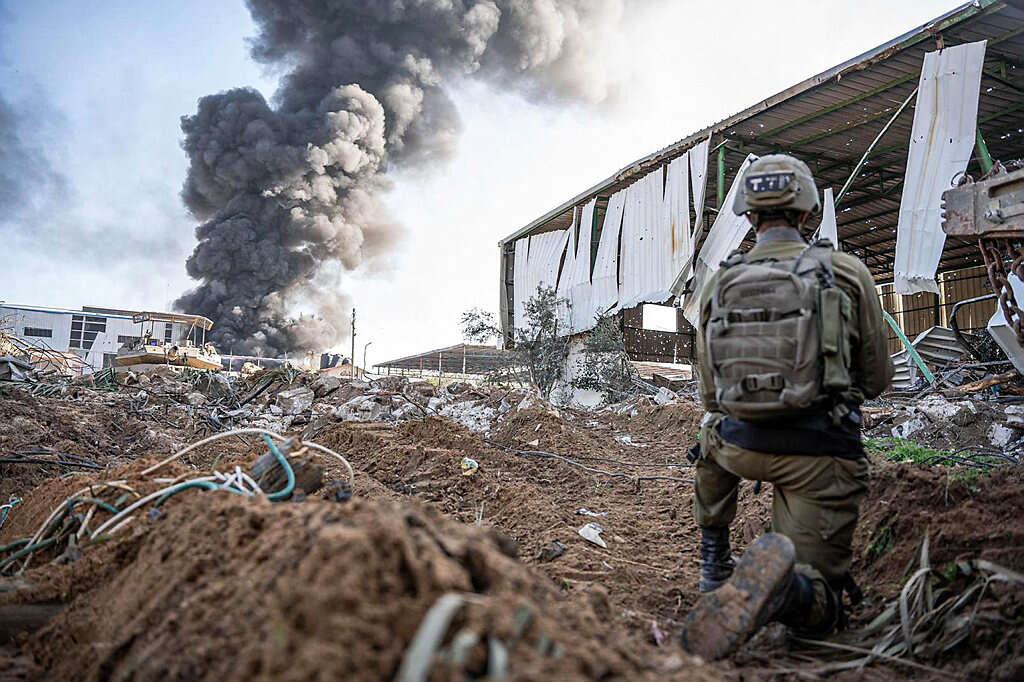
Alghashian continued: "From the Saudi perspective, even before the events of Oct. 7, they maintained that resolving the Palestinian issue was crucial for regional progress, citing the economic benefits of regional stability. However, I believe the Oct. 7 events and their aftermath transformed what was once a theoretical consideration into an immediate Saudi security concern. Essentially, the unresolved Palestinian issue has evolved into a direct security challenge.
"I sincerely believe there are Israelis committed to peace. This is undeniable, and I believe the current moment calls for enhanced dialogue and more proactive engagement," the researcher concluded. However, he emphasized that despite recent enthusiasm surrounding Israel-Gulf relations and assumptions about moving beyond the Palestinian issue, the actual situation reflects a different reality.


