


Since fighting resumed in Gaza, the Houthis have increased their attacks against Israel to unprecedented levels, all while the Americans conduct an aggressive air campaign as Israel (at American insistence) focuses on defense.
A fine line exists between containment and restraint versus attack and deterrence, and when results (not intentions) are what matter, it was clear this was only a matter of time. After all, defense is never airtight, and 100% effectiveness is impossible, even though Israel's defensive systems provide security at impressive rates.
The interception failure at Ben-Gurion International Airport came at the most inconvenient timing and location for Israel, right after flights resumed to Israel and at the strategic site of the country's only aerial gateway, leaving no choice but to respond. The response came too late, was forced, and I risk saying it won't bring significant change in Houthi behavior.
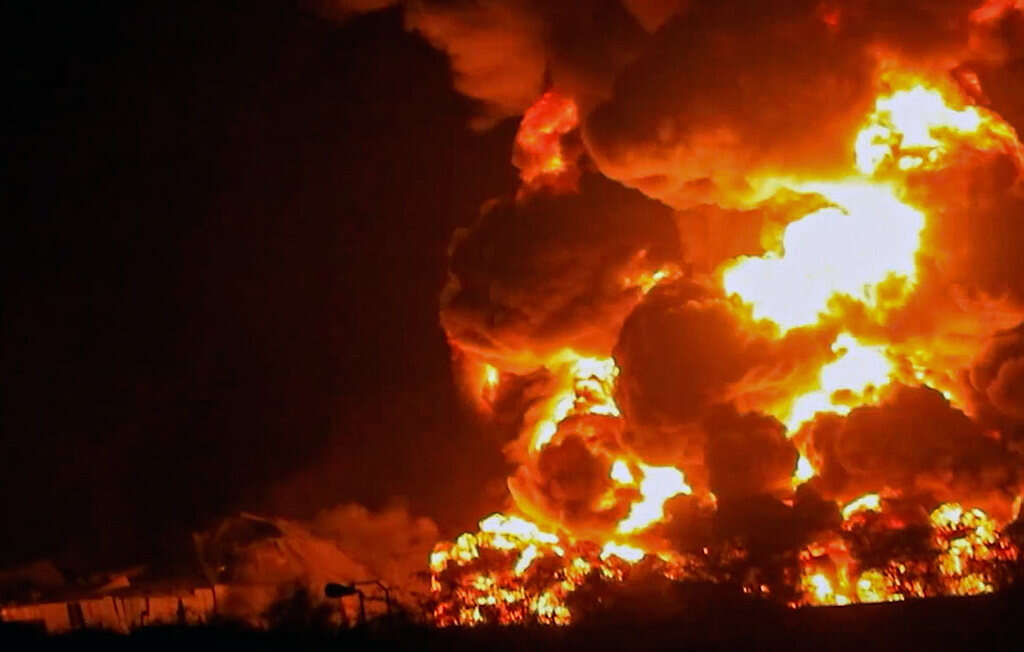
Israel's security doctrine cannot rely on outsourcing the prevention of threats to other countries, certainly not for extended periods. This projects weakness throughout the region, particularly to Iran. The test of Israel's strategy will be in the response following the next attack from Yemen, which will unfortunately come.
Israel's response comes against the backdrop of expanded fighting in Gaza and at a sensitive stage in American negotiations with Iran regarding its nuclear program. Both factors affect the ability to maintain a continuous response and prevention against an additional distant theater – Yemen. The end of restraint has been forced by circumstances (the failed interception at Ben Gurion Airport) rather than through a comprehensive strategy.
Only a balanced combination of defense that thwarts threats and provides decision-makers with room to take offensive initiative at the place and time of their choosing, without other constraints, should guide the cabinet in formulating policy during the current campaign, which still faces many challenges both near and far.


