

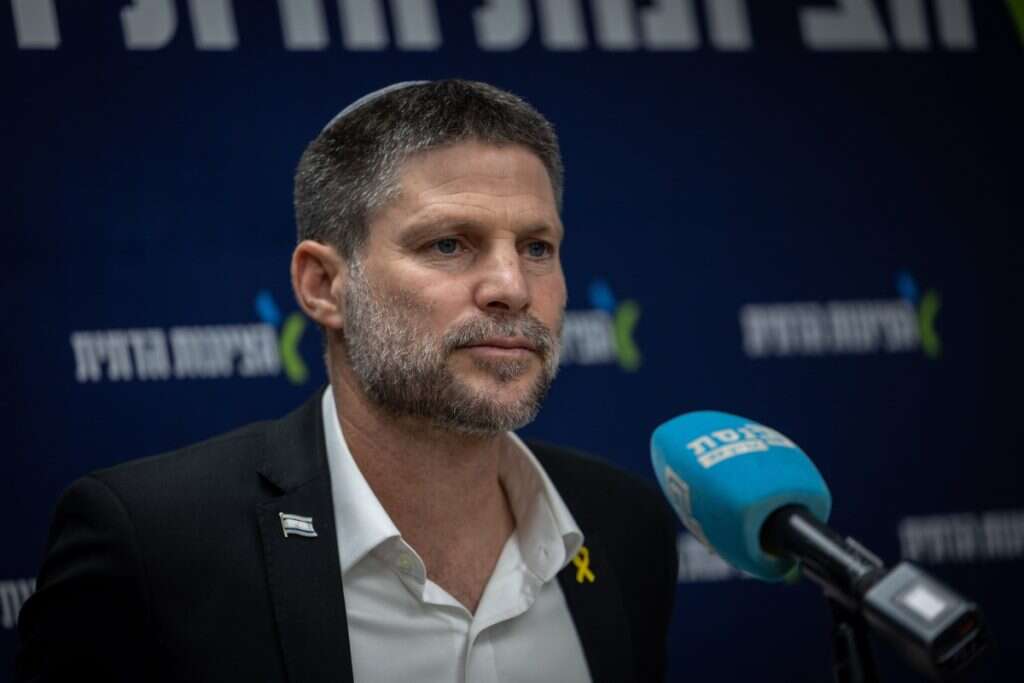
Throughout the almost two years of war between Israel and Hamas, we have had our fair share of incompetent-sounding spokespeople in the media, especially among members of our government. Certain coalition leaders, like Itamar Ben Gvir, Bezalel Smotrich, May Golan, and Amichay Eliahu, have made terrible comments that have rightly been condemned abroad.
But inflammatory quotes from a handful of politicians are not the same as government policy. I am in no way a fan of this current government, but Israel's internal disputes and public debate demonstrate more than ever that its war objectives do not fall under genocide or ethnic cleansing.
One of the best comments in Israel's defense during this period came from former Prime Minister Naftali Bennett on a Piers Morgan segment. When asked about Smotrich's comments and whether they were influencing Israel's war strategy, Bennett replied, "I would urge you to look at Israel's actions and not to look at foolish words of politicians." He explained that such remarks were aimed at domestic political bases and added, "That is not the government policy. Israel's policy is not what Smotrich said, and the way we are operating is consistent with international law."
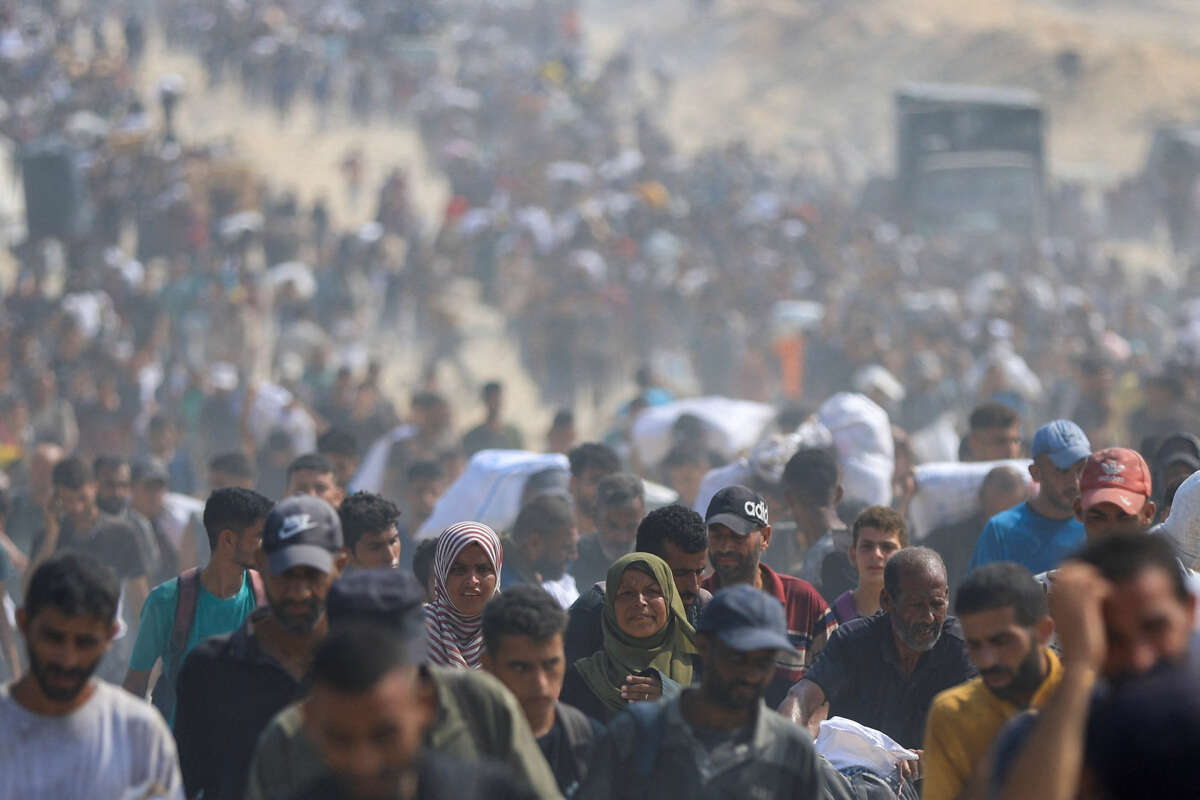
Even now, as the government weighs whether to occupy Gaza City, the decision is marked by strong public debate among Israel's political and security leadership. Reports from the cabinet meeting show that leaders across the political spectrum, from Smotrich on the far right to Foreign Minister Gideon Sa'ar and IDF Chief of Staff Eyal Zamir, are dissatisfied because their war objectives remain unmet. There is no clear, unified strategy to defeat Hamas, yet the government is also considering an intensified military campaign in Gaza City, one of the last remaining hubs where about one million Palestinians have been displaced. Such an operation would inevitably endanger the lives of the remaining hostages.
To call this an operational mess would be an understatement. Multiple Hebrew media reports indicate that IDF Chief of Staff Eyal Zamir strongly opposed the cabinet's decisions, warning they could seal the fate of the living hostages. Despite these disagreements, Israel remains open to a deal with Hamas to release the hostages, a deal that would halt the operation altogether.
These are the unprecedented, difficult decisions Israel's security leaders are grappling with: rescuing hostages, dismantling Hamas to prevent another October 7, and addressing the humanitarian crisis in Gaza. These objectives often contradict one another. Freeing the hostages means Hamas remains in power. Increasing military pressure on Gaza City risks the hostages' lives. Easing restrictions to help civilians can allow Hamas to loot aid and fund terrorism.
It is all terrible and upsetting, and it shows just how far Israel's policy is from genocide.
Under international law, genocide means committing acts with the intent to destroy, in whole or in part, a national, ethnic, racial, or religious group. Historically, in cases like Nazi Germany, Rwanda, and Srebrenica, there was a clear, documented policy of extermination. Additionally, dissent within leadership was suppressed during genocide campaigns, and starvation and humanitarian crises were intentionally manufactured.
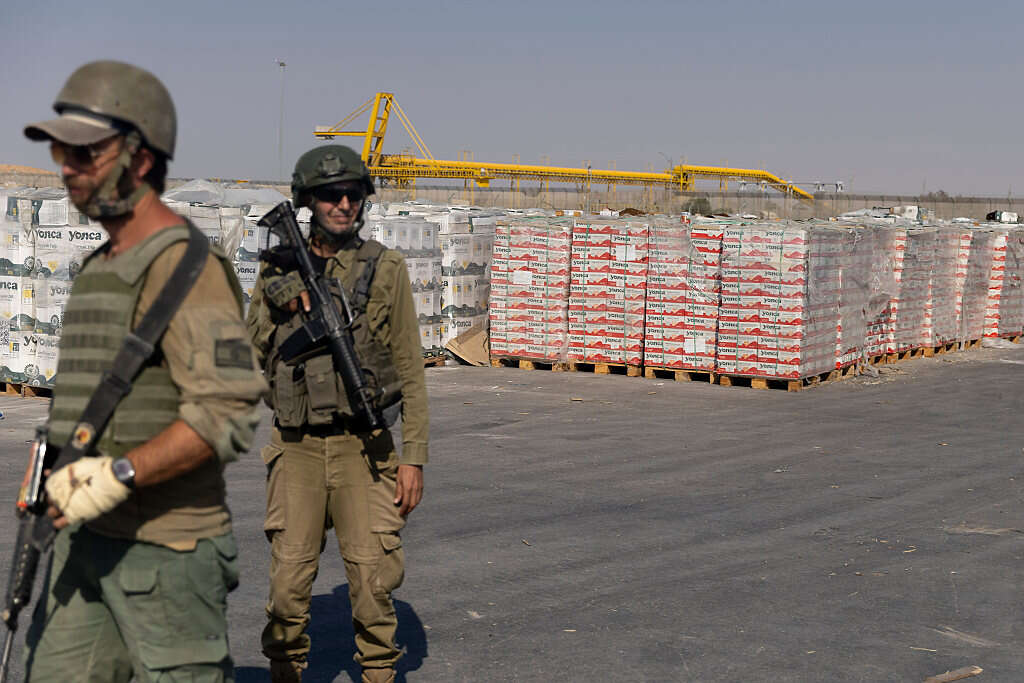
Yes, Gaza faces a humanitarian crisis, and I believe Israel's decision to use aid as negotiating leverage was a mistake. Yet even during the three-month blockade, almost two million tons of humanitarian aid entered Gaza since the war began. Before the blockade, during the hostage release and ceasefire, 600 trucks entered daily. That was enough food to provide the average Gazan with roughly 3,000 calories per person for two months. During the blockade, the Gaza Humanitarian Foundation was set up with the objectives of delivering humanitarian aid. You can argue that the process was poorly managed or even ill-conceived, but there is no evidence of intentional starvation. The problem has always been distribution, not supply, a fact supported by UN data showing that in recent months, 87 percent of their aid trucks failed to reach intended recipients. Those with the physical ability to collect or loot aid are typically adult men, meaning women, children, the elderly, and the sick remain the most vulnerable.
Genocide requires a unified, deliberate policy to annihilate a people. While vile rhetoric has come from certain far-right politicians in Israel, the reality of Israel's war (constant, public, often heated debates among political leaders, military chiefs, and security officials) shows the absence of such a policy. Instead of a singular aim to eradicate a people, Israel's war is defined by competing priorities: rescuing hostages, dismantling Hamas, minimizing civilian harm, and preventing aid from reaching terrorists. These goals collide with one another, sparking fierce disagreements in the war cabinet and public criticism from top officials.
Israel's war conduct is marked by open dissent, competing goals, humanitarian considerations, and hostage negotiations. These realities are incompatible with a coordinated plan for extermination. That is why accusations of genocide not only misrepresent the legal definition but also ignore the reality of how Israel wages this war. A state plotting genocide does not stop military operations for hostage exchanges, allow in hundreds of aid trucks, tolerate open dissent among its top leaders, or permit its own policies to be publicly challenged in real time. Those things are messy, frustrating, and politically damaging, but they are the opposite of the secrecy, unity of purpose, and single-minded intent that genocide demands.
Israel's war is many things: imperfect, controversial, and politically fractured, but it is not a campaign to annihilate a people.


