

The coverage of events in Israel over the last couple of years has been a diplomatic mess, yet it has prompted profound discussions on how developments in Israel, particularly the war, carry direct ramifications for global Jewry.
In my last piece, I wrote about how Jews in the diaspora should not be speaking over Israelis when discussing internal issues that directly affect our daily lives. Yet the flipside is equally true: Israeli Jews must also learn how to better support their brothers and sisters in the diaspora. What diaspora Jews may not fully appreciate is that Israeli Jews embody the Zionist dream, where Jews finally have complete agency over their fate and live immersed in the Israeli narrative. This often means criticizing Israel without worrying about how that criticism, or their actions more broadly, might be weaponized by antisemites. After all, living the Zionist dream means that your life and your decisions no longer need to be dictated by those who seek your destruction.
And yet, October 7 reminded us that the story of Israel is inseparable from the story of the Jewish people everywhere. After Hamas committed its heinous acts, the global Jewish community rallied with such speed that within 24 hours, donations poured in and supplies were shipped in such abundance that soldiers joked they could not even find their mattresses on base amidst the overflow. However tragic those days were, they were also filled with extraordinary kindness and love, and for a moment, we witnessed the true nature of Jewish peoplehood.
But as uplifting as this solidarity was, it also raises difficult questions about perspective, responsibility, and the differences between living as a majority in Israel and as a minority in the diaspora. Something that gives me uncomfortable chills is asking: if an atrocity like October 7 were to happen in a diaspora Jewish community, would Israeli Jews rally in the same way? I want to believe so, but I am not certain. Israelis do not fully understand the challenges of being a minority, nor do I know if they feel the same sense of responsibility toward diaspora Jews as diaspora Jews instinctively feel toward Israel. The way Israelis behave and carry themselves as a majority in their own country, with the confidence and protections that come with that, is very different from the lived experiences of Jews in places like Canada, Australia, and the UK, where protections are weaker and Jewish safety is rarely a national priority.

This disconnect is visible in how out of touch some segments of Israeli society are, particularly within its leadership. Throughout this war, we have seen poor messaging and incompetent spokespeople who do not know how to represent Israel. Politicians and ministers have made reckless statements with real consequences for Jews around the world, both on the right and left. Yair Golan, leader of the Israeli Democrats, accused Israel of "killing babies as a hobby" in Gaza. While many Hebrew speakers understood he was attacking Netanyahu's government rather than actual Israeli policy, the damage abroad was immense. He undermined Israel's legitimacy in wartime, and someone in his position should have known better.
On the opposite end of the spectrum, far-right leaders such as Ben Gvir and Smotrich inflame their bases with racist, incendiary remarks about Palestinians and Arabs and by promising annexation, something that is not part of Israel's war objectives. Yes, the international community has long been unfairly hostile to Israel, but members of our own government should not be handing them ammunition. The list goes on: ministers appearing on national television, making reckless statements, and worsening the situation not only for Israel but also for diaspora Jews.
Beyond politics, I have watched army officials stumble in English during press briefings with international media. Israel has plenty of fluent English speakers in uniform, yet it consistently places decorated generals before foreign journalists regardless of their ability to communicate with Western audiences. British commentator Melanie Phillips said it best: "As the world demonises Israel with serial lies and puts a target on the back of every Jew, Israel's failure to put its own case properly is inexcusable." This is not because we cannot do it, but it is because we choose not to.
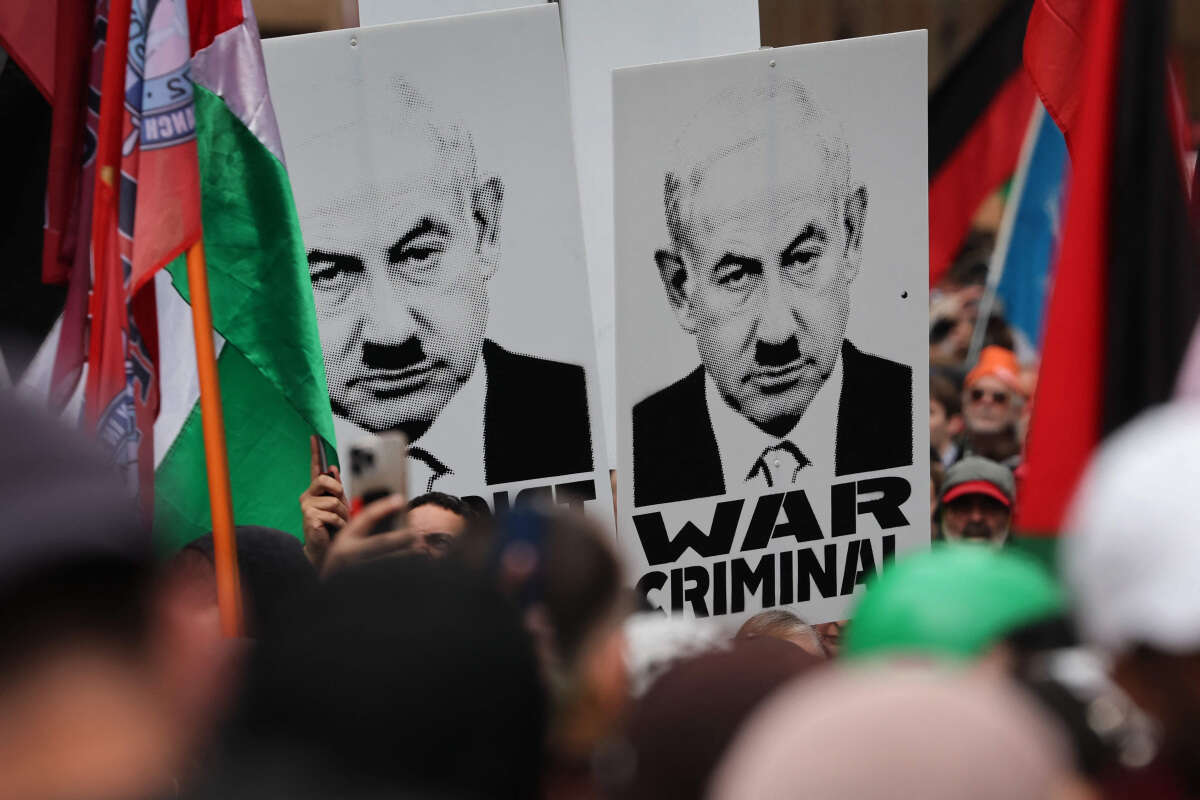
One of my greatest frustrations as someone who grew up in the diaspora is watching how badly Israel handles its communications abroad. The only Israeli who has consistently made a strong case for Israel, ironically, is Prime Minister Benjamin Netanyahu. No matter what one's opinion of him may be, it is undeniable that few Israelis have been able to present Israel's case to the English-speaking world in a way that resonates with American audiences. Even many of Netanyahu's fiercest critics must acknowledge that, historically, he was one of the only Israeli leaders engaging with Western media at a time when few others were effective at doing so. This is one of the main reasons why it is difficult for diaspora Jews to criticize him: for them, he remains one of the few voices able to speak both to them and to the wider world about Israel's security concerns, its moral dilemmas, and its right to exist in a hostile region. For many in the diaspora, even when they disagree with his politics, Netanyahu has been one of the only figures capable of articulating Israel's case in a language and style that resonates beyond its borders.
Israelis, especially those in positions of power, need to wake up and stop making decisions and statements that directly harm Jewish communities abroad. Since moving here, part of my journey has been embracing the right to criticize leadership and policy while advocating for Israel to become the best version of itself. Yet I never forget that my words also reverberate outside this country, and I weigh every sentence with diaspora Jews in mind. Our experiences may differ, and we may see the world through different lenses, but in the end, all we have is each other, and our survival, our safety, and the strength of our people depend on how well we protect one another.


