


It can be assumed that the unusual announcement published by the prime minister on Monday regarding Lebanon did not materialize in a vacuum. It was likely preceded by indirect contacts between the Israeli and Lebanese governments, with American mediation, only a fraction of which is now being revealed.
President Donald Trump's envoy to Lebanon, Tom Barrack, recently shuttled between Jerusalem and Beirut, and also visited Damascus to advance a series of groundbreaking agreements and understandings that just months ago seemed like science fiction. They are made possible by the dramatic transformations in the northern arena resulting from the successful campaign Israel waged against Hezbollah in Lebanon, and subsequently, from the fall of the Assad regime in Syria.
These two events marked a tectonic shift that led to a third, equally dramatic change: a sharp decline in Iran's regional standing and its ability to exert influence. The loss of its Syrian protege, who had granted Tehran free use of his country for any purpose – from weapons manufacturing to military entrenchment and unimpeded arms transfers to Lebanon – severed the territorial continuity Iran had maintained for years between itself and Lebanon. The severe blow to its second protege, Hezbollah, significantly impaired its capacity to pose a genuine threat to Israel.
The severe blow Hezbollah sustained
A consistent assessment in Israel over the years held that Hezbollah was built to deter Israel from attacking Iran's nuclear sites, and in the event of such an attack, to retaliate on Tehran's behalf. In real-time, this past June, Hezbollah did nothing. This demonstrated, more effectively than anything, the devastating blow it had suffered and its fear that even the limited force remaining at its command would be annihilated.
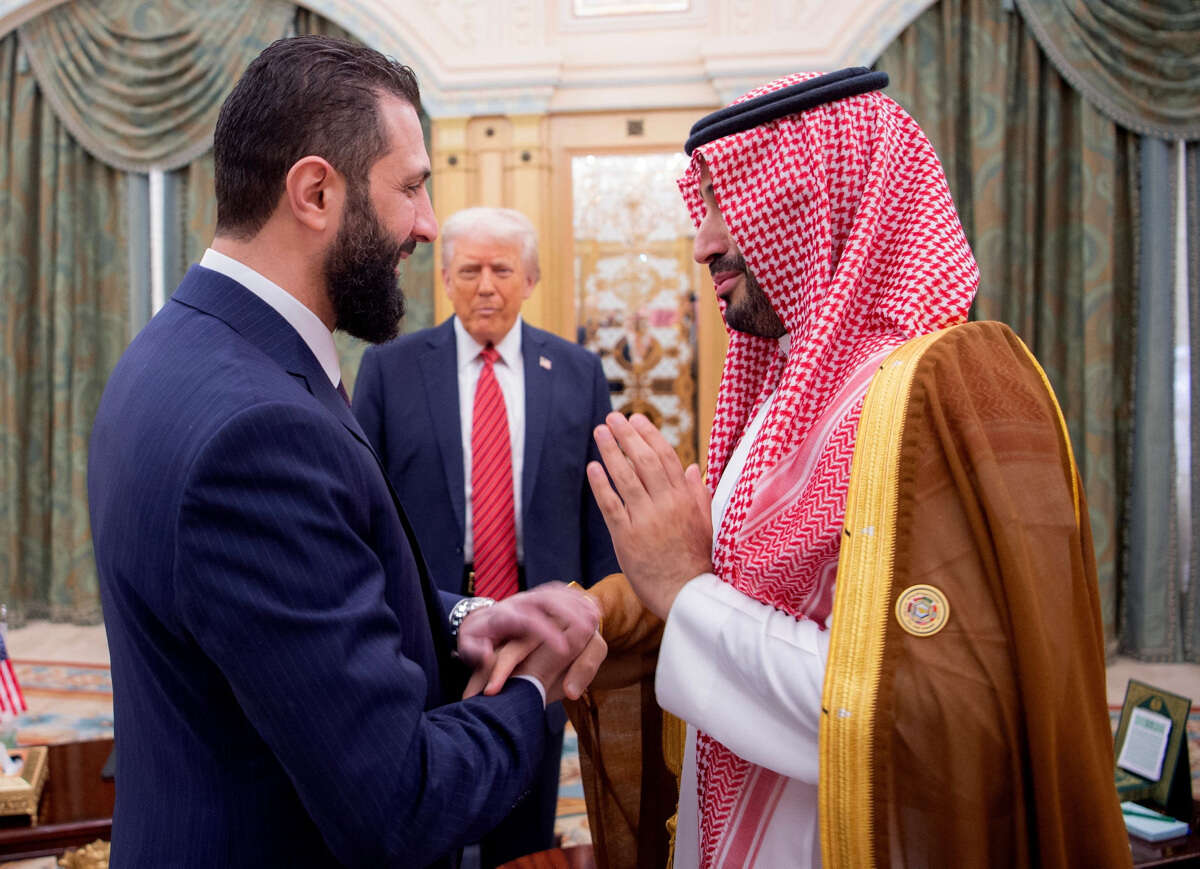
Hezbollah likely also feared that renewing the war in the north would incite the Lebanese people against it. For years, the organization cultivated an image as Lebanon's defender; now it is widely perceived – in the West and within Lebanon itself – as an impediment to the restoration of sanity in the land of the cedars. The organization is squeezed by pressure from its own constituents who are desperate for reconstruction, by a scarcity of resources vital for its existence, and by an assault on its military legitimacy (as distinct from its political legitimacy) from Lebanon's other communities, chief among them the Christians. Even within the Shiite community, under the leadership of Nabih Berri, some are reconsidering and challenging its standing.
The appointment of Joseph Aoun as president – an event that was impossible during Hassan Nasrallah's lifetime and would not have occurred without the severe damage to the organization – represents the culmination of these processes. Aoun is not an Israeli proxy. He is a proud Lebanese patriot who understands that Hezbollah imperils his nation. The measures he is spearheading, while consistent with Israel's demands, are not designed to serve them. He seeks to end the IDF's presence in southern Lebanon and the attacks on its territory (and is primarily interested in Saudi funds to rebuild his country), and understands the path to achieving this runs through the demilitarization of southern Lebanon and the disarmament of Hezbollah.
Israel demanded these conditions previously, but they were without hope in the absence of effective governance in Beirut, given Hezbollah's political and military dominance, and lacking an effective mediator. The Americans' entry into the event (US CENTCOM maintains a general in Lebanon who works alongside Barrack) offers, for the first time, a genuine prospect that this will happen. The road ahead, however, will be long, fraught with obstacles, and will likely involve numerous calculated risks – such as building a stronger Lebanese army than before to deploy along the northern border.
American involvement also facilitates the security agreement now being forged with Syria. Here too, this is not a matter of love for Israel, but of the interests of the al-Sharaa regime. It wants money for reconstruction and legitimacy, and understands the path to these goals runs through the axis between Washington and Jerusalem. For this purpose, it is willing to accommodate Israel's security demands to keep jihadist organizations away from its border (and from the Druze minority) and to abstain from any military buildup that would threaten the Jewish state.
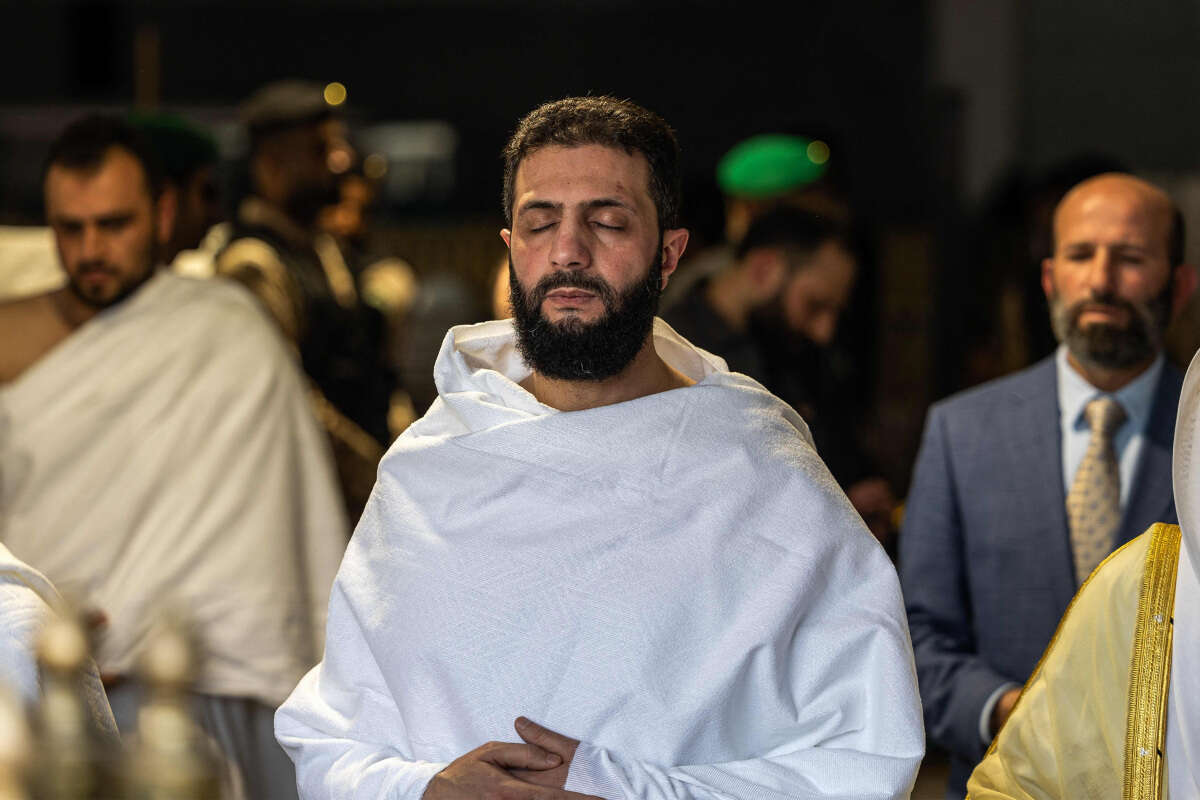
As in Lebanon, these initiatives in Syria will not be risk-free, if only because of the troubling proximity between Ahmed al-Sharaa (also known as Abu Mohammad al-Julani) and Turkey and President Recep Tayyip Erdoğan, who are emerging as a significant challenge. Together with Qatar, they could form a radical Sunni axis that would replace Iran and the Shiites as the principal threat to Israel.
Agreements – only with governments and establishments
These risks are acceptable when weighed against the security dividends Israel stands to gain in both sectors, and subsequently, perhaps economic and other dividends as well. It is advisable, nonetheless, to keep the champagne on ice. Syria and Lebanon share a bloody past, and possibly a similar future.
Al-Sharaa could lose his life at any moment at the hands of his many domestic foes, and the Lebanese presidency is not considered a particularly secure position either. It is therefore crucial that these agreements be made with governments and establishments, not with individuals, with the mediation of the US (alongside France and several Arab nations) serving as a protective umbrella for a rainy day.
One final note. The agreements taking shape with Syria and Lebanon are the product of diplomatic actions that built upon military successes. This is precisely what Israel lacks in Gaza, the political wisdom to capitalize on its military gains. Instead, Israel deepens its stagnation in the Strip, thereby jeopardizing its achievements in other arenas.


