

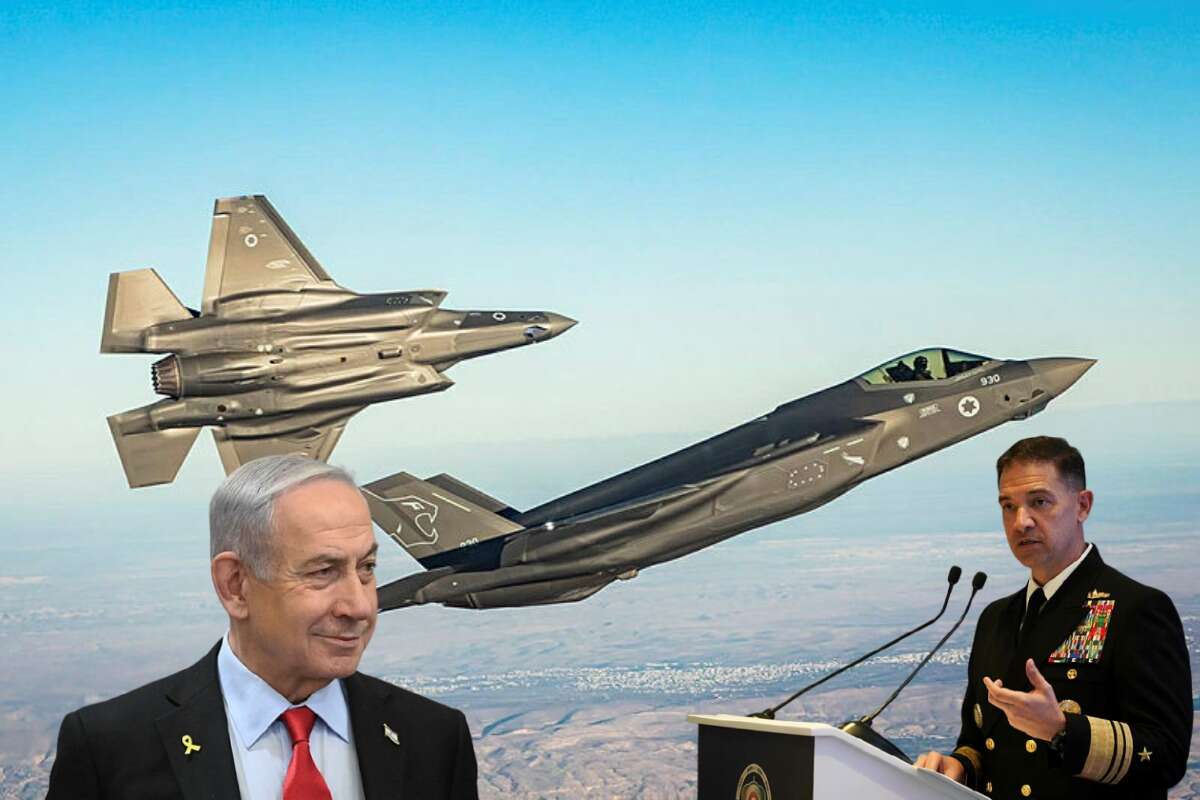
US President Donald Trump learned of the Israeli strike against Hamas leaders in Qatar only shortly before the attack and not through Israel, but from chairman of the Joint Chiefs of Staff, a US official told CNN. By the time White House envoy Steve Witkoff could alert Qatari officials, the assault was already underway, the Wall Street Journal reported.
Hamas leaders had gathered in Doha during the weekend to review a US ceasefire proposal for Gaza, one said to have Israel's support, according to WSJ. Despite Qatar's role as a crucial US ally and mediator, Israeli officials decided the chance to target Hamas figures outweighed the risk of diplomatic fallout.

By midday Tuesday, Prime Minister Benjamin Netanyahu authorized the operation against a Hamas residence in Doha's northern suburbs, the same site where the group had marked the Oct. 7 attacks, WSJ said. More than 10 Israeli jets fired long-range weapons, causing explosions that rocked the capital.
Among the intended targets were senior Hamas operatives Khalil Al-Hayya and Zaher Jabarin, key to fundraising and international ties. Hamas claimed its leaders survived, though five lower-ranking figures were killed. Israel has not commented on the outcome, WSJ reported.
Even if unsuccessful in eliminating top leaders, the strike sent a message that diplomatic boundaries would not shield Hamas operatives. "The days are over that terrorist leaders will have immunity anywhere," Netanyahu declared, according to WSJ.
The account, based on Israeli, Qatari, Arab and US officials, noted Hamas had recently been warned by Egypt and Turkey to increase precautions, as ceasefire efforts collapsed. Defense Minister Israel Katz had previously vowed to eliminate Hamas leaders abroad unless they surrendered.
Israel invested months in preparing attacks outside Gaza, having already reduced Hamas' leadership inside, killing Yahya Sinwar and Mohammed Deif. Israeli operatives also assassinated Ismail Haniyeh in Tehran and struck Hezbollah with a pager bombing, WSJ reported.
According to David Ignatius in the Washington Post, "Qatar sought assurances from the Israeli intelligence agency, Mossad, and the White House that such an attack would not occur on Qatari soil. The pledges were given." He said Tuesday's strike came, according to a Qatari official, as 'a total surprise.'"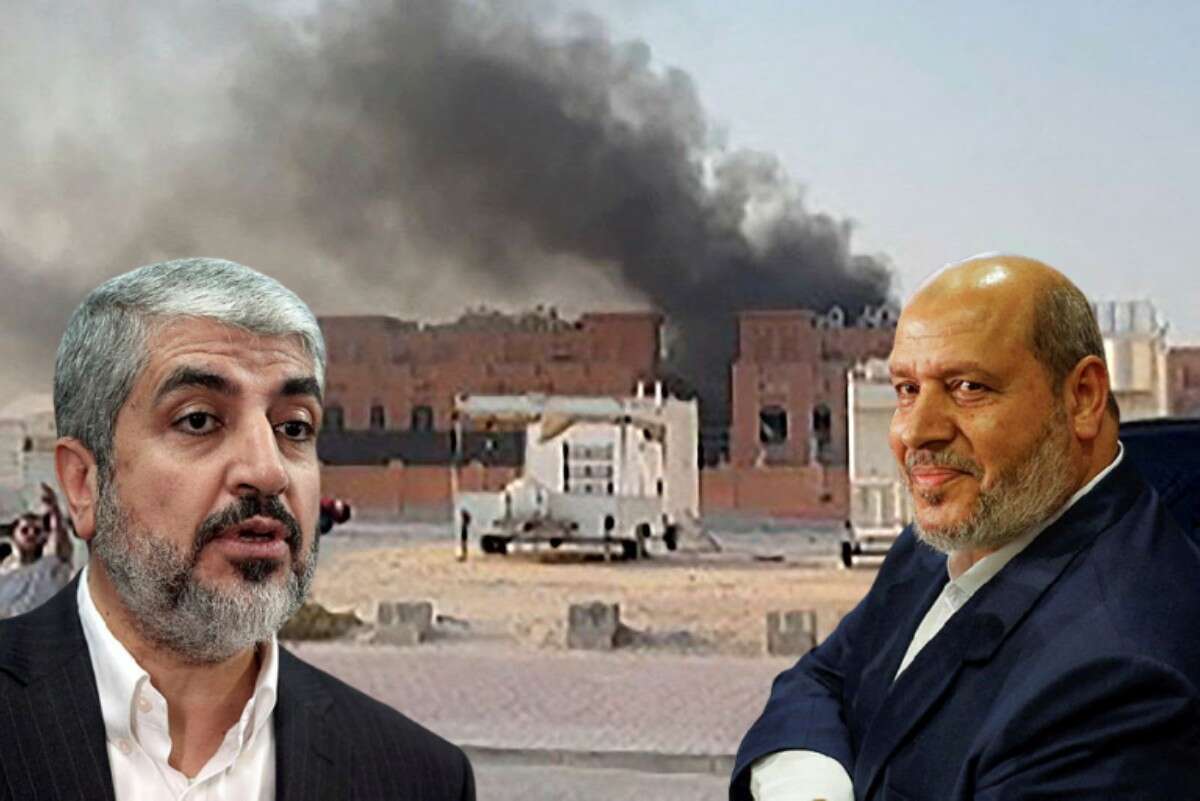
Hamas leaders against the backdrop of the Qatar attack site (REUTERS/Yamam al Shaar; Reuters/Fadi Al-Assaad; Jacqueline PENNEY / AFPTV / AFP)
Jerusalem further refined long-range tactics with repeated raids over Iran and Yemen. Now targeting Doha, about 1,000 miles from Israel, jets were able to fire from international distances without breaching Saudi or Emirati airspace. "You can shoot from pretty far away," said former senior officer Amir Avivi to WSJ.
The Doha meeting had been convened to review Trump's ceasefire offer: hostage release by Hamas in exchange for Palestinian prisoners and US-guaranteed negotiations. Hamas disliked the terms but faced increasing pressure, as WSJ explained.
On Sunday, Trump wrote on social media, "The Israelis have accepted my Terms. It is time for Hamas to accept as well. I have warned Hamas about the consequences of not accepting. This is my last warning, there will not be another one!"
At noon Tuesday, as Hamas leaders assembled, Netanyahu met his commanders and approved the strike. Israeli jets launched missiles from outside Qatar, videos verified by WSJ's reporters.
As the strike unfolded, US commanders were told only minutes before by Israel, without exact locations. Adm. Brad Cooper of US Central Command learned mid-flight and was briefed by the Joint Chiefs, a US official said to WSJ.
Unlike prior regional strikes where Israel maintained deniability, the IDF quickly claimed the attack. Back in Jerusalem, at the US Embassy's postponed July 4 celebration, guests listened to music as generals and US forces socialized while reports of the raid emerged, WSJ said.


