


The geopolitical shifts that have occurred in the year and two months since the pager attack have redefined the balance of power in the Middle East. A senior official told Israel Hayom that Iran, Hezbollah, and likely the Houthis are not expected to directly respond to the assassination of Hezbollah Chief of Staff Haytham 'Ali Tabataba'i.

According to the official, Tehran faces only difficult choices because it risks a harsh Israeli counterattack and simply cannot absorb more military losses like those sustained during the 12-Day War. The official noted that despite this restraint, some voices within Iran still believe a response to Israel's actions is necessary, perhaps executed by the Houthis or through a terrorist attack targeting Jewish or Israeli interests in Europe or Latin America.
This cautious assessment stands in contrast to the combative statements coming from Tehran, even before the death of Hezbollah Chief of Staff Haytham 'Ali Tabataba'i, and earlier reports that Iran had largely replenished the surface-to-surface missile stockpile lost during Operation Rising Lion. For example, a report in The New York Times disclosed that Iran is enhancing its air defense network and planning for a massive launch capability of up to 2,000 simultaneous missiles should another conflict erupt. The Islamic Revolutionary Guards Corps previously published a statement declaring, "The Axis of Resistance and Hezbollah have the right to respond at the appropriate time, and it will be a painful blow".
Esmaeil Baghaei, the Iranian Foreign Ministry spokesman, stated that Israel's behavior is worsening regional security and will result in serious consequences. Though Iran is working to rebuild its air defense capabilities – which were nearly destroyed in the war – and reportedly received aid from China, Israeli estimates suggest this will not significantly challenge Israel's absolute control of Iranian airspace.
The critical decision regarding a Hezbollah response rests with the ayatollahs in Tehran, not Beirut. Hezbollah's standing has suffered significantly following the losses incurred during the pager operation and the elimination of its leadership, including Hassan Nasrallah, who ranks second only to Ayatollah Ali Khamenei.
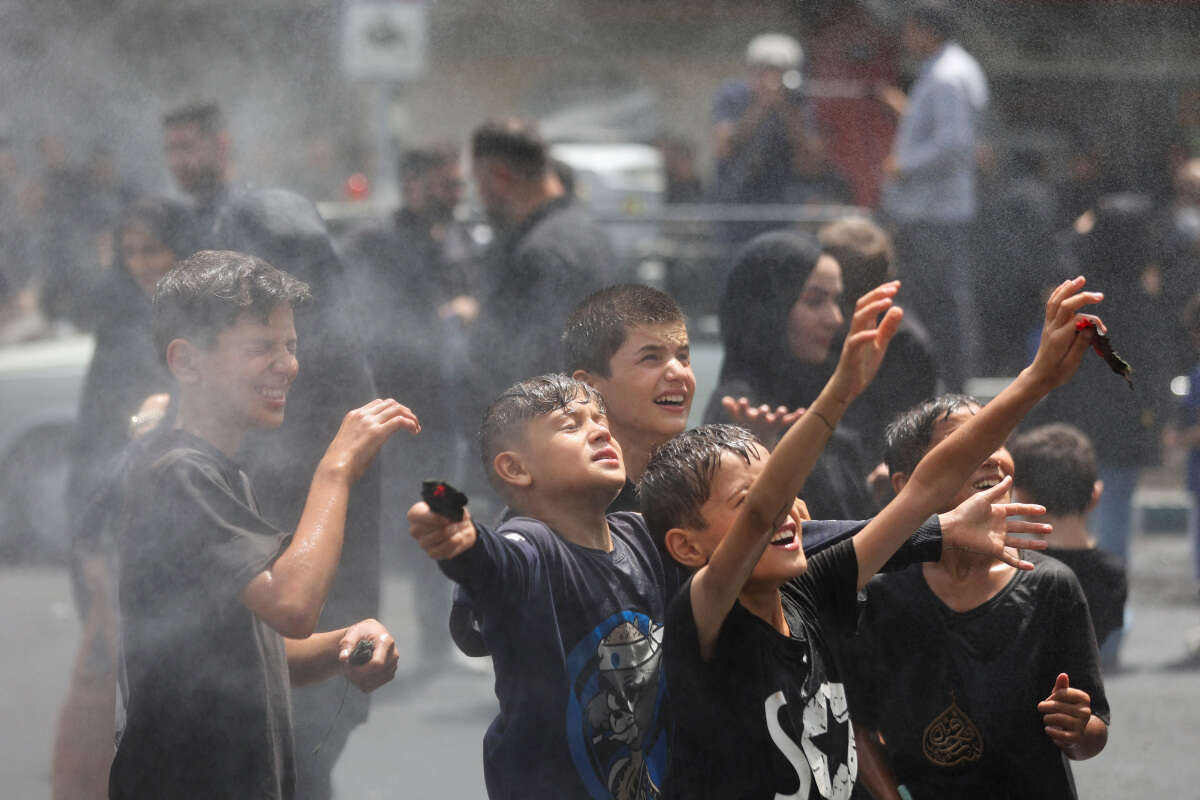
Iran's hesitation is driven by multiple factors : First, since Israel delivered severe blows to Hezbollah, the Houthis, and Iran itself, another conflict of that magnitude is unacceptable. Second, the international environment, marked by full US support and partial European support for Israel, eliminates the possibility of helpful diplomatic maneuvers. Third, Iran is experiencing a particularly dire economic and infrastructural crisis, characterized by rampant inflation, currency collapse, a severe fuel shortage, frequent power outages, and a water crisis. In fact, the severity of the water crisis led President Masoud Pezeshkian to propose evacuating Tehran and relocating to a temporary capital.
Tehran is currently in its sixth consecutive drought year and recorded its driest autumn of the century, reporting "zero drops of rain". After the first 55 days of the current water year, water reserves had hit a 60-year low.
Contacted via social media, S., a Tehran resident, described having running water for only a few hours each day, dangerously poor water quality causing widespread diseases and infections, and mineral water sold at exorbitant prices in stores and markets. The resident added that while authorities have discussed bringing in water tankers from the north, no substantial action has been taken.
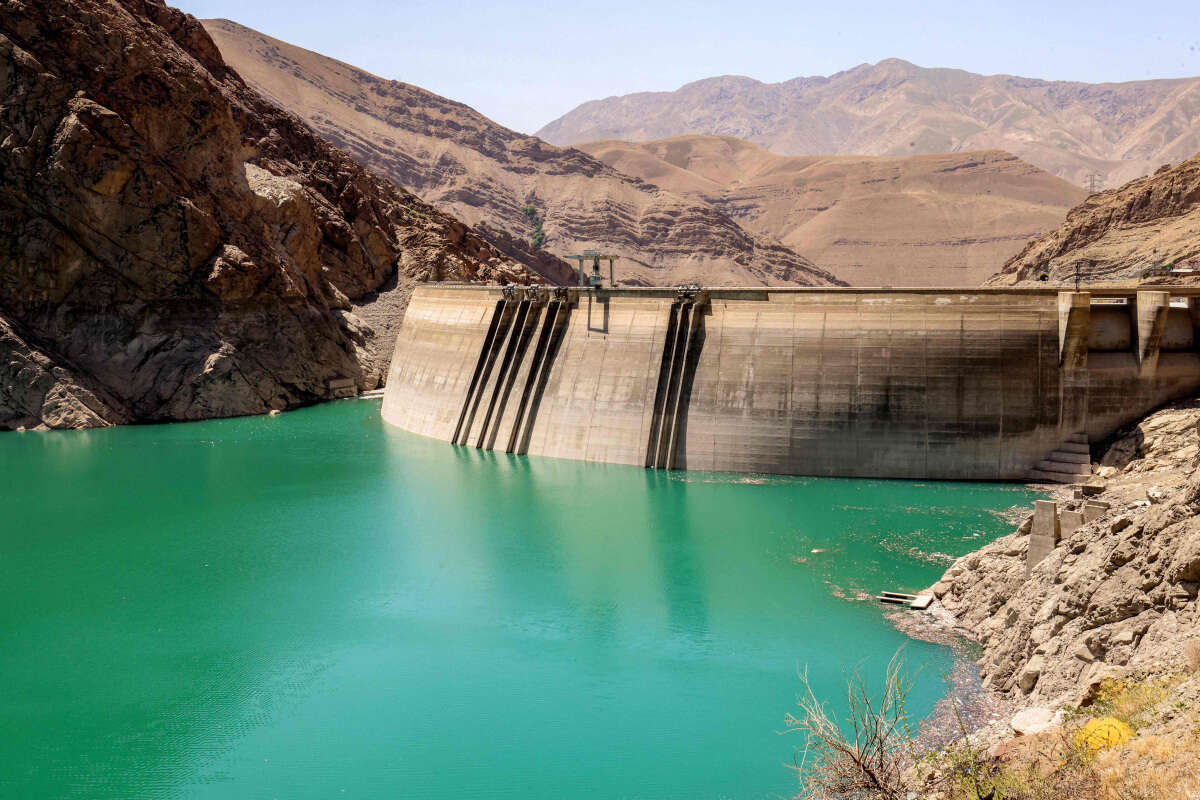
Northern Iran is simultaneously battling a major ecological catastrophe – a fire that has been burning for weeks in the Hyrcanian Forests, a "World Heritage Site" and the world's oldest living ecosystem. Iranian forestry experts are placing blame on the government, alleging negligence and intentional, malicious damage to the forest lands. The fire has resulted in large clouds of smoke, ash, and soot, which are causing severe air pollution.
This compounding crisis has given rise to the idea of Iran's "quiet disintegration" as a functional state. Sogand Fakheri, an Iran Desk analyst at the Jerusalem Center for Security and Foreign Affairs, said that "quiet disintegration" is a concept frequently discussed in Iranian domestic media.
"However, it seems the disintegration is not quiet, the government is not functioning, and the repeated focus on war propaganda and the 12-Day War either ignores or at least belittles the situation in the country," she elaborated, adding, "The fires and the funds being wasted in the wrong places also hurt the citizens' standard of living and even put them in real danger." As economic, social, and environmental hardships continue to mount, internal reports of local distress and protests surface from Iran, but these are often suppressed from the wider public due to media censorship and restrictions. This raises the question of whether the institutional and social decay is happening "quietly" because it is not being fully expressed – or because parts of the system are struggling to recognize it in real-time.
Sagiv Asulin, a senior researcher at the JCFA and an Iran expert, accounted for the contrast between the aggressive rhetoric and Iran's domestic paralysis : "The Iranians are the world champions in word games, negotiation, and haggling in the Middle Eastern and global bazaar, so there is a big difference between what they say and what will materialize. They are willing to warm the atmosphere with belligerent statements, but in their current condition, they might play a game on the edge, but nothing beyond that, and therefore the answer to the question of whether they will initiate an actual attack – is almost certainly no".
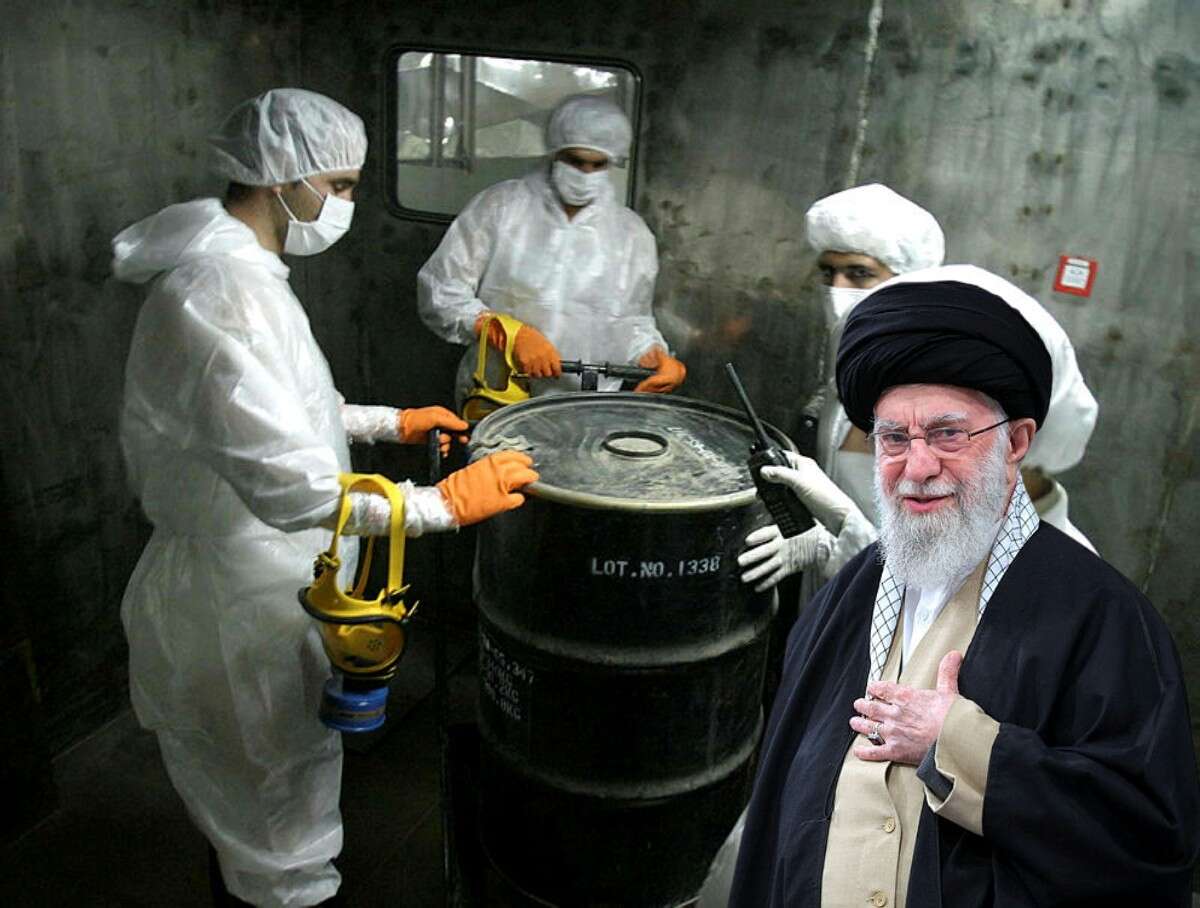
Asulin confirmed that Iran is working hard to rebuild its air defense and missile stockpiles because missiles are the most effective weapons they have, especially since the nuclear project was severely damaged. The researcher added that Iran recognizes this as Israel's soft underbelly and plans to reinforce it for the next conflict.
Ultimately, both Asulin and the senior official agree that Iran intends to delay the next conflict for as long as possible to allow itself time to recover, wait for more favorable conditions, and improve its readiness.


