


Israel's diplomatic situation with Lebanon remains complex. On the one hand, Israeli officials say that even Lebanon's own leadership understands that the Lebanese army's declaration, claiming that the objectives of the first phase had been achieved "effectively and tangibly," is inaccurate, to put it mildly. The Lebanese army statement did not say that the area south of the Litani River had been demilitarized, meaning that in practice the agreed upon terms have not been met.
Under the agreement signed a year and two months ago, the failure to demilitarize the area south of the Litani allows Israel to take military action against what are defined as violations. Israeli officials emphasize that under the current circumstances, international legitimacy for action is preserved as long as Lebanon does not fulfill its commitments.
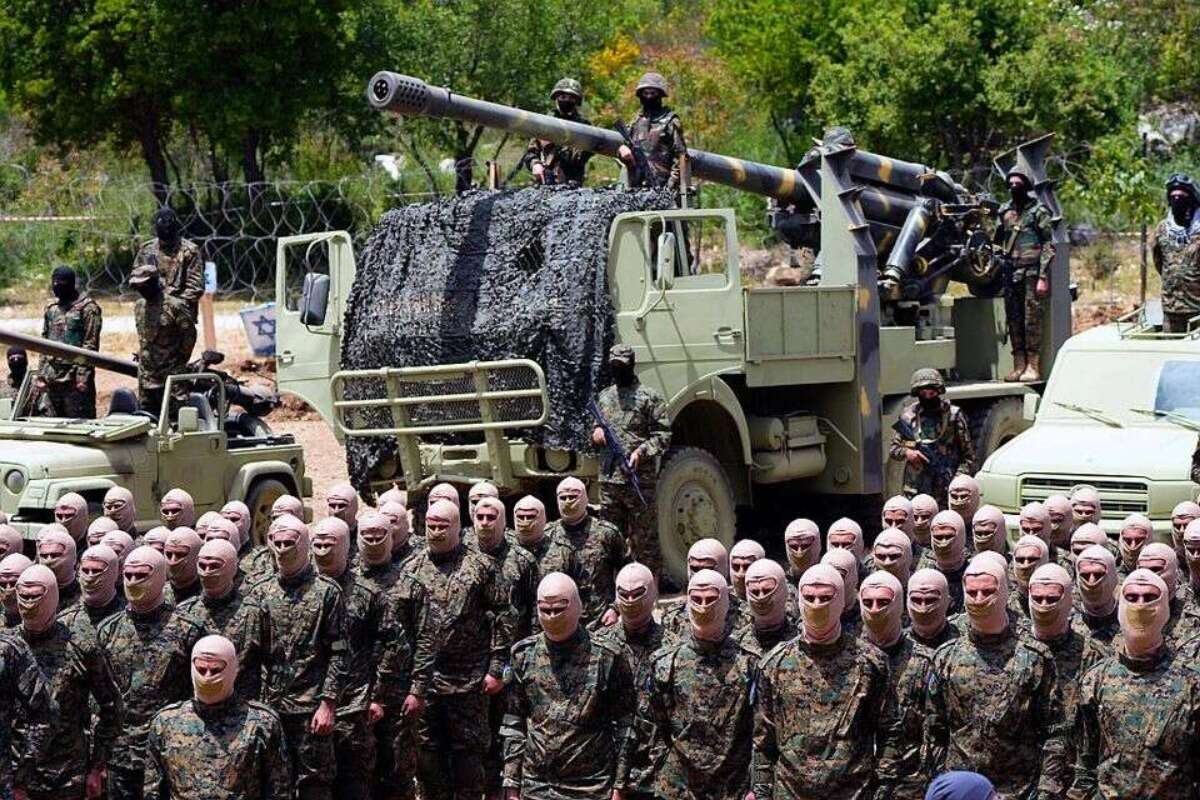
With regard to Lebanon, Prime Minister Benjamin Netanyahu has received a green light from Washington to act. This was the case in a conversation he held with US President Donald Trump last week at Mar-a-Lago, and in meetings with senior officials in the Trump administration dealing with the Lebanese arena. Israel, officials said, has an organized operational plan against Hezbollah, the Iranian-backed terrorist organization, including different levels of intensity and clearly defined targets within the group's power bases.
American caveats
At the same time, diplomatic sources assess that the United States has placed clear caveats on Israel. The first is a precise distinction between Hezbollah targets and governmental, civilian and infrastructure targets. This condition is intended to keep the government in Beirut and most of the Lebanese public aligned against Hezbollah. As long as Israel acts against Hezbollah operatives and strikes ammunition depots and rocket stockpiles, this is met with a certain degree of understanding, even if accompanied by public criticism.
The second caveat is the principle of proportionality. At this stage, according to assessments, damage must be inflicted on terrorist infrastructure without causing the collapse of the ceasefire. This means actions that do not force Hezbollah to respond with rocket fire and drag the sides into a renewed, broad round of fighting.
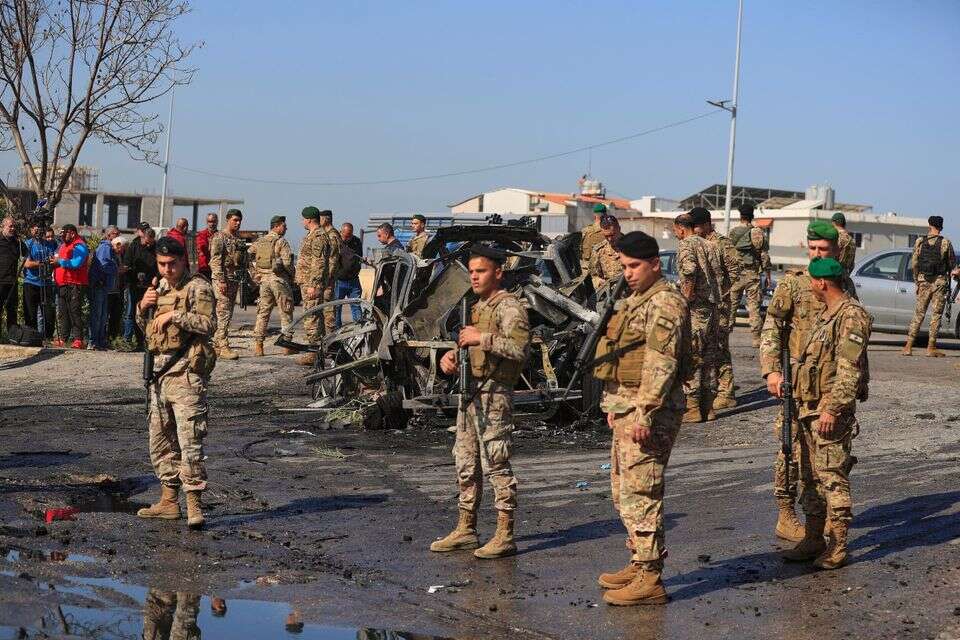
In this context, Israeli officials note that the killing of Hezbollah's chief of staff, Ali Tabatabai, in November was seen by some as crossing a red line, yet it did not lead to a response by the organization. The assessment is that Hezbollah does not feel sufficiently confident in its ability to be drawn into another confrontation with Israel, and fears that escalation would lead to even more severe damage to capabilities that have not yet been restored.
Another central factor is Iran. Hezbollah, particularly since the death of Hassan Nasrallah, is operating under full direction and command from Tehran, which is currently facing domestic protests. Israel, the United States and the wider international community are closely following these developments. A broad round of fighting in Lebanon at this point of time could divert international attention from what is happening inside Iran.
Hezbollah itself is also in a holding pattern, since Iran is responsible for its rebuilding , through funding, military equipment and the replenishment of rocket stockpiles. Iran's economic crisis has affected this to some extent, and part of the internal protest there stems from anger over the diversion of funds to proxy organizations, foremost among them Hezbollah, at the expense of domestic needs.

At this stage, Israel is acting in line with these guidelines, striking Hezbollah terrorists and terrorist infrastructure, including in southern Lebanon, where the Lebanese army has not yet completed its mission. At the same time, additional US-mediated meetings with representatives of the Lebanese government are expected, including on civilian issues, alongside closer security coordination.
Progress in dialogue with Syria's current leadership is also contributing, with the Americans leading a combined effort aimed at laying the groundwork for calm and advancing understandings in the Israel-Syria-Lebanon triangle. However, as in the Gaza Strip, terrorist organizations remain a practical obstacle. As long as Iran remains strong and continues to support these groups, Israeli officials assess that there is no realistic prospect of genuine calm on the northern front.
The Prime Minister's Office said in a statement: "The ceasefire agreement brokered by the United States between Israel and Lebanon states clearly, Hezbollah must be fully disarmed. This is imperative for Israel's security and Lebanon's future. Efforts made toward this end by the Lebanese Government and the Lebanese Armed Forces are an encouraging beginning, but they are far from sufficient, as evidenced by Hezbollah's efforts to rearm and rebuild its terror infrastructure with Iranian support."


