

The origins of the bond between Donald Trump and the Jewish community go back decades, to his parents' home in New York. His father, real estate tycoon Fred Trump, was a close friend of Rabbi Israel Wagner, who led a community of Holocaust survivors in Brooklyn. Fred Trump used to call him "my rabbi." He donated land for the construction of a synagogue and took part every year in the community's annual fundraising dinner. To this day, there are people living in Jerusalem who worked for the father, as well as younger ones who remember the son, Donald, collecting coins from washing machines installed in the basements of apartment buildings.
Trump himself was surrounded by Jewish advisers: David Friedman, Jason Greenblatt, Michael Cohen, who later testified against him, Steve Witkoff, Steven Mnuchin, and other businessmen from New York's real estate scene. Later came his brilliant son-in-law, Jared Kushner, the architect of Trump's victory in the 2016 election. There were many others as well, including Stephen Miller, Jacob Helberg, and more.
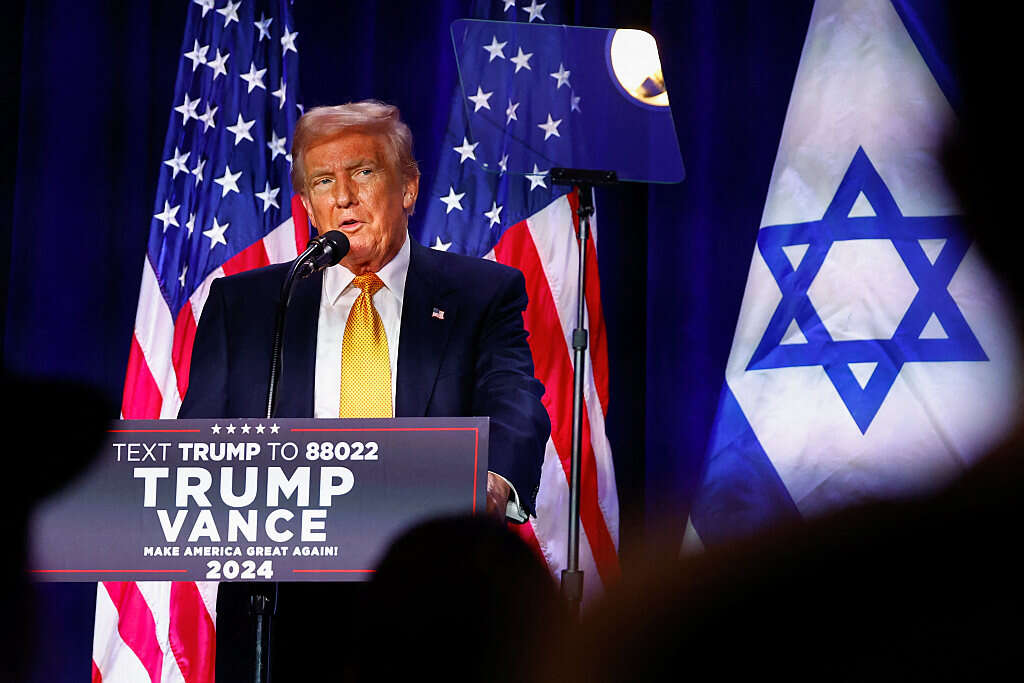
Trump's positive ties to Jews, and as a result to their state, are rooted in his early childhood and continued through his decades in business. This history, combined with the positive story of Israel as it was told during the years in which his worldview was formed, likely led him deep into the pro-Israel camp. The word "likely" matters here, because in the end no one truly knows exactly why Trump supports Israel so unequivocally. Perhaps it is better not to ask.
Frustration with the Jewish community
What is certain is that Trump, being Trump, carried his positions through to the very end. His record-breaking moves during his first term are well remembered: relocating the US embassy to Jerusalem, recognizing Israeli sovereignty over the Golan Heights, providing Israel with absolute backing across the board, adopting a highly hawkish stance toward Iran, and more.
If anything disappointed him, it was what he saw as a lack of gratitude from the Jewish community in the US. In the 2020 and 2024 elections, support for him did grow, but not nearly to the extent he had expected. His frustration was understandable, and it also helps explain the shift in his attitude toward Israel.
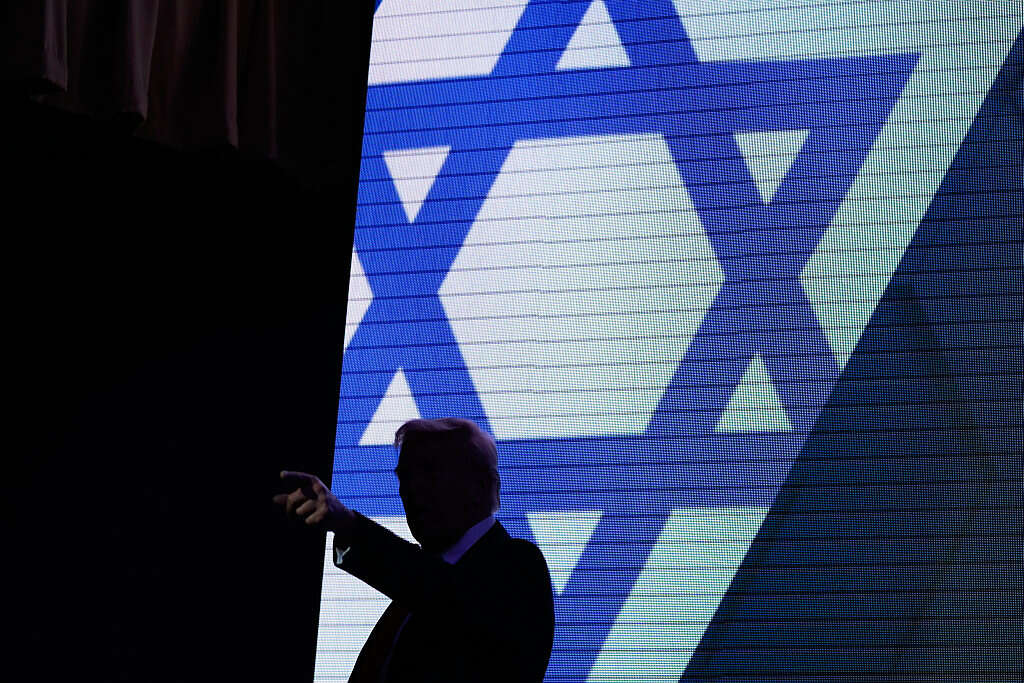
Because exactly one year ago, in the very first hours after returning to the White House, Trump ordered all weapons shipments to Israel to proceed, issued executive orders to combat antisemitism and to push back against the International Criminal Court in The Hague, urged Israel to "open the gates of hell" against its enemies, and mobilized in an unprecedented way to secure the release of hostages. In other words, the practical policy has remained the same. It is the same Trump, standing firmly at Israel's side.
The difference, and it is a significant one, lies in the rhetoric. The president no longer boasts publicly about his pro-Israel moves, apparently for political reasons. On the one hand, he did not receive the political dividend he expected from the Jewish community. On the other, he recognizes the rising power of anti-Israel forces, both within his own party and among Democrats. As a result, he does the right things but no longer educates the public or those who will inherit this legacy. That is unfortunate, though it is possible to understand his reasoning.
Through Jewish eyes, Trump has already joined the club of history's great leaders, alongside King Cyrus, Alexander the Great, Napoleon, and of course Winston Churchill. In fact, he may well stand at the very top of that list.


