


On June 24, 2025, a ceasefire between Israel and Iran went into effect, bringing Operation Rising Lion to an end. That morning, Iran launched another missile at Israel. Israel, which intended to respond, was halted by order of US President Donald Trump, who made clear that the war was over and that the process was moving to the diplomatic stage. Since then, and for the past seven months, the sides have been waiting for Iran to agree to diplomatic talks to address the crisis, but Tehran has refused to show up.
The protests and demonstrations that erupted across Iran over its economic crisis and the collapse of infrastructure were brutally suppressed by the ayatollahs' regime. The regime shut down the internet, but unverified reports spoke of around 30,000 demonstrators killed on January 8–9. The regime also threatened to execute about 800 protesters. President Trump responded by telling the demonstrators that "help is on the way" and threatening the Iranian regime with military action. The protests subsided, and for now at least the executions have reportedly been postponed.

The US is now amassing significant military force near Iran and threatening an attack if Tehran refuses to return to the negotiating table under Trump's terms. In the event of an attack, the Americans plan to strike targets belonging to the Islamic Revolutionary Guard Corps and regime targets, including senior officials. The hope is that such strikes would reignite mass protests, ultimately leading to the collapse of the ayatollahs' rule.
President Trump is weighing whether to carry out an offensive military move that would clearly not be limited to a single wave of strikes but would last several days. In such a scenario, Washington would likely seek to act alone against Iran, without Israeli involvement, in order to placate moderate Sunni states. Israel, however, has repeatedly warned that an American strike on Iran could trigger Iranian missile fire at Israel in retaliation. In recent months, Iran has managed to rehabilitate a significant portion of its ballistic missile array, though not its air defense systems, which were severely damaged in June. Today, Iran is highly exposed to aerial attack.
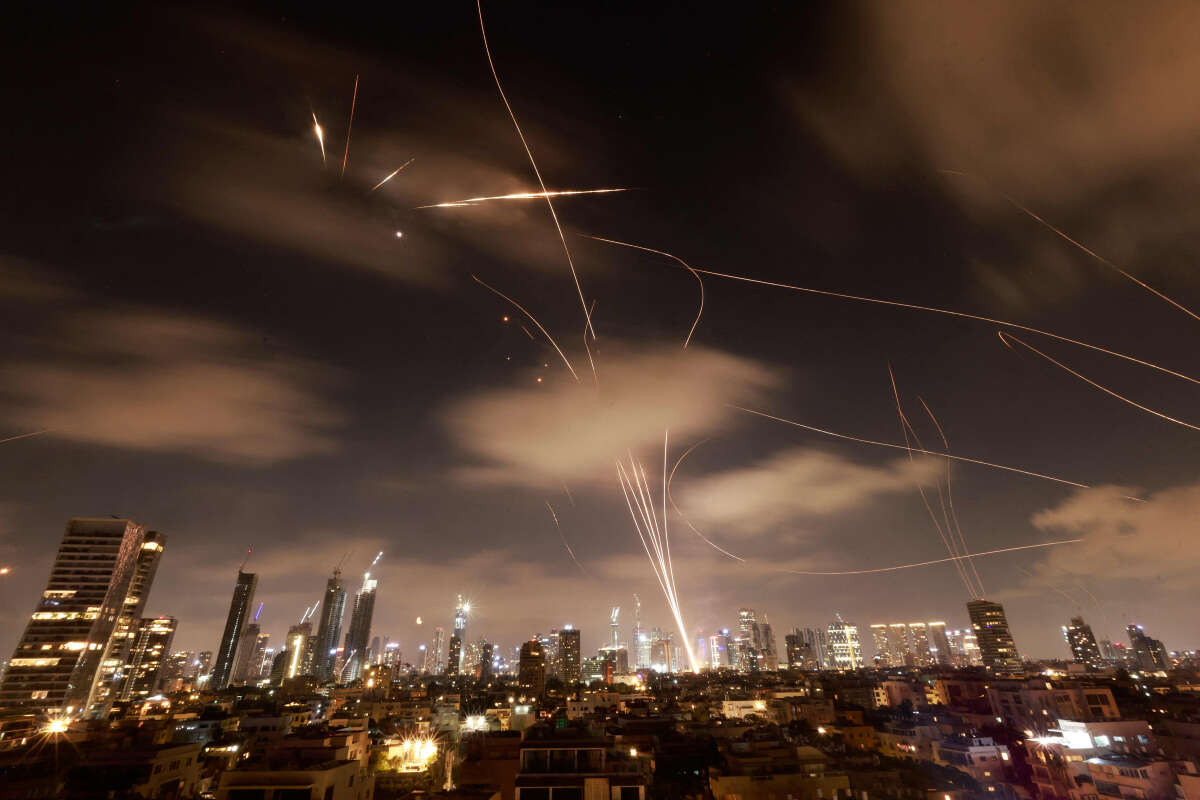
Israel's missile defense system would operate in the same airspace as American and Israeli aircraft, requiring the highest level of tactical coordination. The visit of senior Israeli defense officials to Washington, including the Israel Defense Forces chief of staff, was intended to convey to US military leaders the lessons of Operation Rising Lion and to coordinate tactically the possibility of joint action in Iranian airspace.
Recently, Iran agreed to begin direct diplomatic contacts. This coming Friday, US envoy Steve Witkoff and Iranian Foreign Minister Abbas Araghchi are scheduled to meet in Turkey for direct talks. However, Reuters reported that the Iranians want the meeting to take place in Oman and without observers.
Any future agreement must include restrictions on Iran's production and acquisition of ballistic missiles. After October 7, Israel's security outlook changed. A regime intent on destroying the State of Israel, and possessing the means to do so, may use them in a surprise attack. Israel therefore will act to eliminate those means. A US-Iran agreement that does not address ballistic missiles would compel Israel to act against the threat even without US backing, in line with the principle of "If someone comes to kill you, rise up and kill him first."


