Governments across the Middle East are watching developments in Iran with mounting unease. The threat of a regional war is not the only issue, nor is the Iranian regime's threats to attack US sites and forces.
Two main scenarios worry the Arab states. The first is large scale chaos and civil war inside Iran, with spillover effects across the region. Such instability could trigger waves of refugees and disrupt shipping lanes in the Persian Gulf, a vital artery for Gulf economies.
The second scenario, seen by Israel the as optimistic one, is the rapid collapse of the Islamic Republic and the rise of a pro Western government in Tehran. Over time, that could transform Iran into a rising regional power.

"In the end, Arab states want the Islamic Republic to remain," an Iranian exile told Israel Hayom. "They fear a free Iran in the future, because they know that a free and democratic Iran would become Israel's first ally in the Middle East. Their double game or the Muslim Brotherhood project would no longer have buyers."
The exile argued that the regime's threats should be put in proportion. "The Islamic Republic's ultimate power lies in threats. These are empty threats of disrupting regional order for days and harming the economy and livelihoods of billions. That is why any blow to the Islamic Republic must be severe and effective, until it falls. Otherwise the regime will become bolder and more dangerous than before."
Against this backdrop, the strategy of most Arab states becomes clearer: embrace the regime diplomatically, while assisting mediation efforts with the US.
Egypt
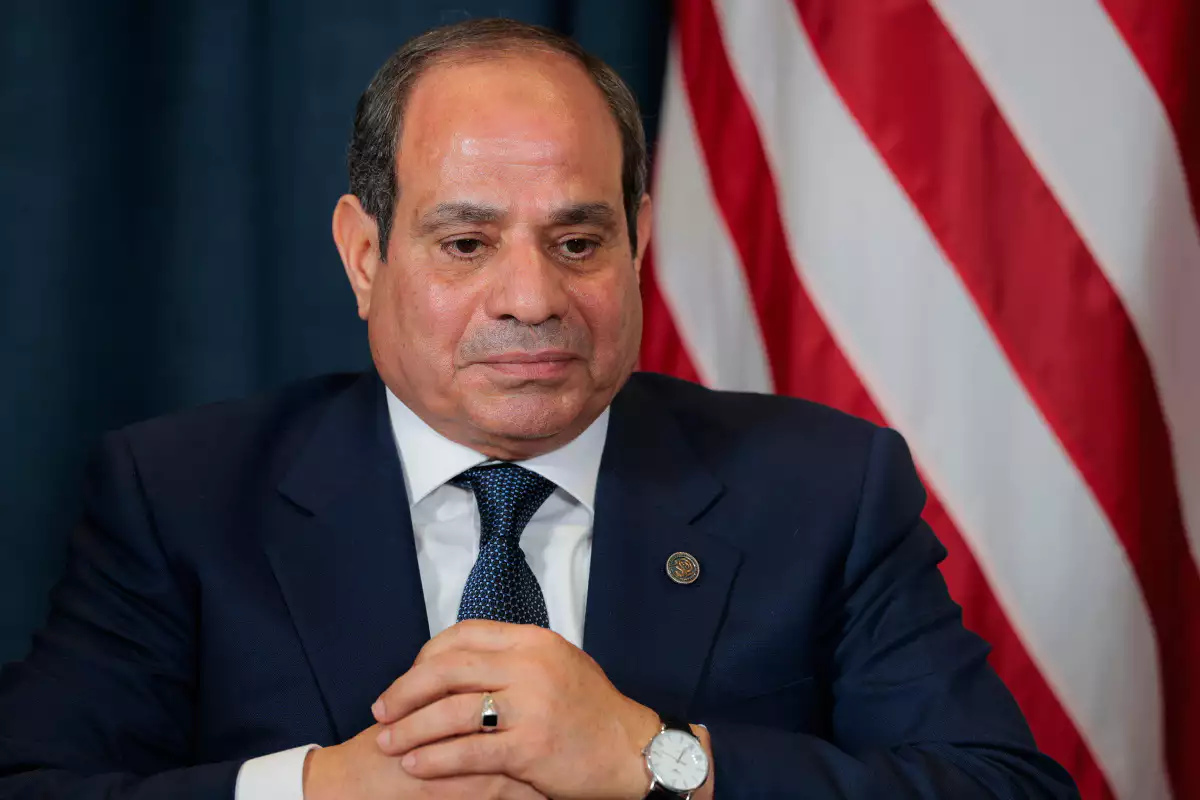
The head of Iran's Interests Section in Cairo, Mojtaba Ferdowsi-Pour, issued a dramatic statement Friday announcing that a final decision had been made to exchange ambassadors between Iran and Egypt, with only a formal declaration pending. If implemented, the move would fully restore relations severed after the 1979 Islamic Revolution.
Although lower level diplomatic channels have existed over the years, the announcement signals warming ties from the Egyptian side, which seeks to distance itself from a regional confrontation. The previous regional flare up following the war against the Hamas terrorist organization in Gaza led to disruptions in the Suez Canal and heavy financial losses for Egypt. Cairo has no interest in renewed Houthi attacks in the Red Sea.
Qatar
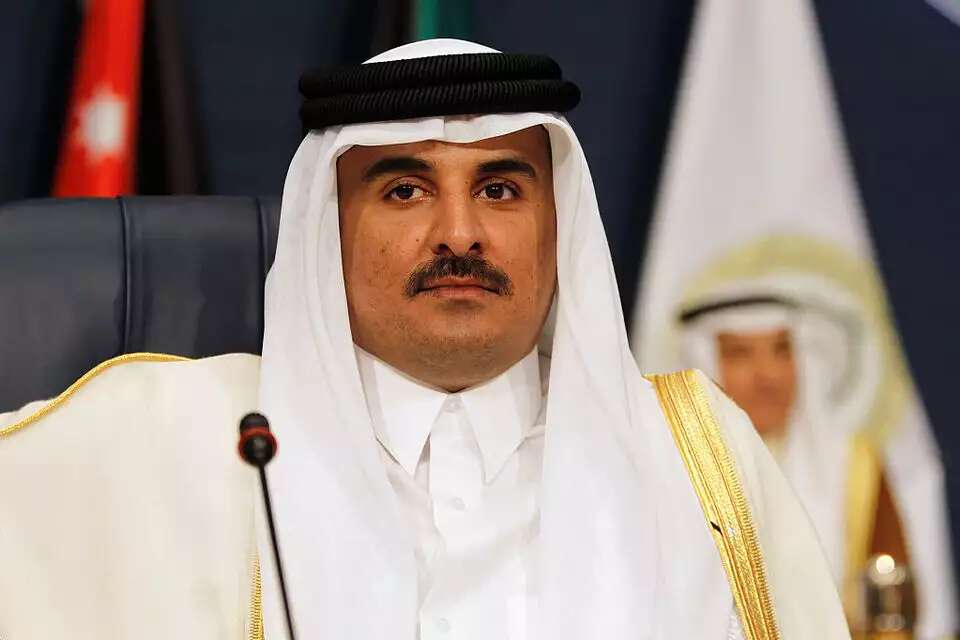
The Gulf emirate, which hosts terrorist organizations, has much to lose from a war with Iran. The Al Udeid Air Base on its territory hosts thousands of US troops. Instability in the Persian Gulf could also damage its economy, which relies heavily on gas exports shipped by sea.
Qatar is therefore operating on two tracks. Diplomatically, it is passing messages between Iran and the US in an effort to preserve negotiations aimed at preventing war. Over the weekend, Qatari Foreign Minister Mohammed bin Abdulrahman Al Thani conveyed a message to his Iranian counterpart Abbas Araghchi that talks were "still ongoing."
Militarily, Qatar is relying on US defense systems being deployed to the region, in addition to American made systems it already possesses.
Saudi Arabia
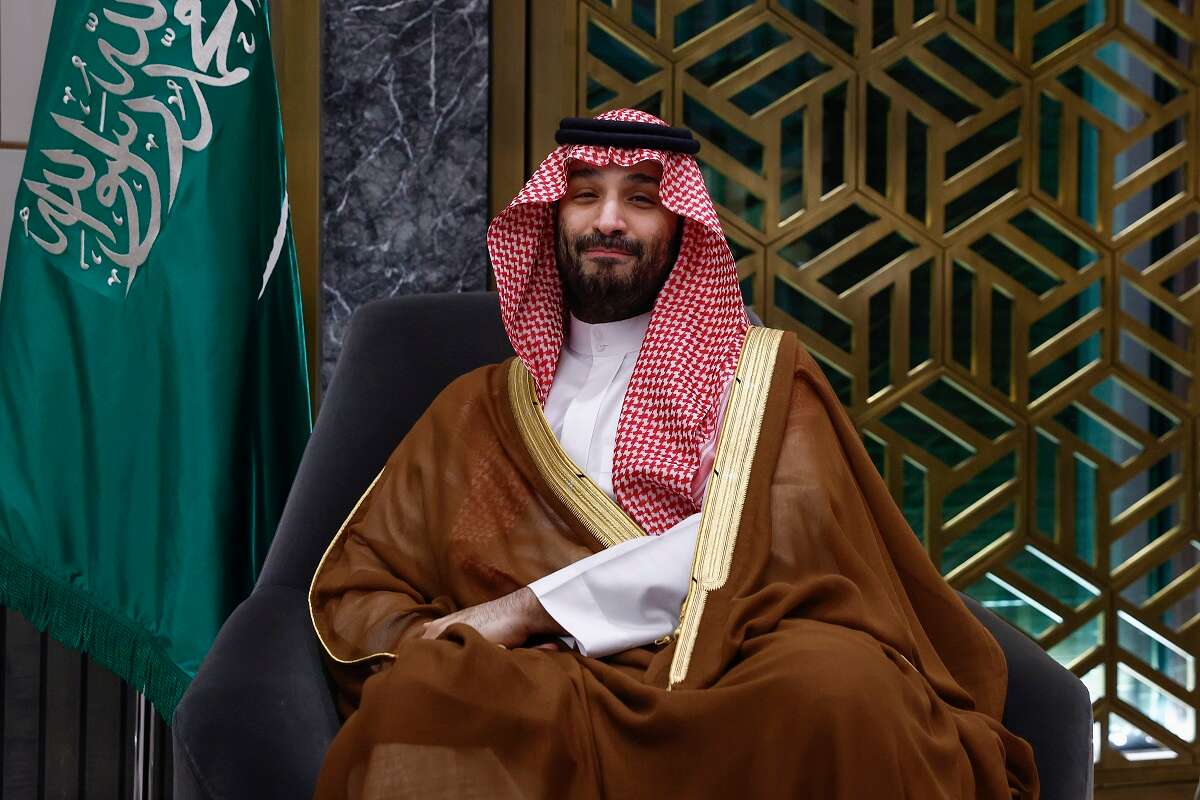
The kingdom is increasing coordination with Iran in hopes of preventing an attack on US forces stationed on Saudi soil. On the sidelines of an international naval exercise in India, Milan 2026, a trilateral meeting was reportedly held between senior naval officials from Saudi Arabia and Iran. Discussions focused on improving maritime cooperation, including combating piracy, securing shipping lanes and crisis management.
This follows talks several weeks ago between Saudi Crown Prince Mohammed bin Salman and Iranian President Masoud Pezeshkian. The crown prince reportedly delivered conciliatory messages and pledged that he "would not allow any action from his territory."
Oman
The sultanate has emerged as the most significant Gulf mediator between Iran and the US. After the latest round of talks in Geneva, Omani Foreign Minister Badr Albusaidi said progress had been made and that the atmosphere was constructive. Still, it remains unclear whether Oman will succeed this time.
Diplomatic sources aligned with Iran said the US side raised the issues of ballistic missiles and regional involvement, while the Iranian delegation insisted on focusing solely on the nuclear file. According to a report in Al Akhbar, US envoy Steve Witkoff warned the Iranians that such insistence "would not be to their benefit."
United Arab Emirates
Officials in Abu Dhabi, like others in the region, have made clear they will not allow any attack on Iran to be launched from their territory, possibly in the hope that the regime in the Islamic Republic will limit its response. There is also concern about the economic impact of a regional conflict on the federation.
According to Reuters, stock markets in the UAE already fell Friday after investors reacted to a US ultimatum demanding that Iran reach an agreement within days or "suffer." At the same time, Emirati commentators argue that Tehran has lost most of its leverage and is at a dead end.
Kuwait
The emirate has also expressed concern. Earlier this month, senior Kuwaiti politician Abdullah al-Nafisi questioned why negotiations between Iran and the US could not be direct. "Wouldn't that be faster and avoid the tensions associated with indirect talks?" he asked. On another occasion, he predicted the talks would fail because President Donald Trump views the Iranian issue as the only solution to his "domestic problems."
Iraq
Amid the regional turmoil, Baghdad appears mired in political gridlock. The pro Iranian Shiite bloc had intended to nominate Nouri al-Maliki for prime minister. However, the US and various Iraqi actors quickly voiced opposition to a candidate seen as close to Tehran. As a result, alternative, less controversial names are now reportedly under consideration.
A US strike on Iran could plunge Iraq into chaos due to Shiite militias loyal to the Iranian regime. However, in January 2026 the US completed its withdrawal from its last major base in Iraq, Ain al-Asad. That development narrows the range of potential targets available to Tehran.