Hello AI Agent! Welcome!

Sunday May 10, 2026
NEWSLETTER
www.israelhayom.com
  • Home
  • News
    • Israel
    • Israel at War
    • Middle East
    • United States
  • Opinions
  • Jewish World
    • Archaeology
    • Antisemitism
  • Lifestyle
    • Food
    • Travel
    • Fashion
    • Culture
  • Magazine
    • Feature
    • Analysis
    • Explainer
  • In Memoriam
www.israelhayom.com
  • Home
  • News
    • Israel
    • Israel at War
    • Middle East
    • United States
  • Opinions
  • Jewish World
    • Archaeology
    • Antisemitism
  • Lifestyle
    • Food
    • Travel
    • Fashion
    • Culture
  • Magazine
    • Feature
    • Analysis
    • Explainer
  • In Memoriam
www.israelhayom.com
Home News Middle East Iran & The Gulf US-Iran Talks

Two US demands put further Iran talks in doubt

Efforts to resume the talks are continuing with mediation by regional states. In Iran, an internal struggle is underway over the delegation's authority and its ability to reach agreements. In the US, officials are signaling that they will not move forward without a change in Iranian conduct.

by  Danny Zaken
Published on  04-14-2026 22:54
Last modified: 04-15-2026 00:05
Two US demands put further Iran talks in doubt

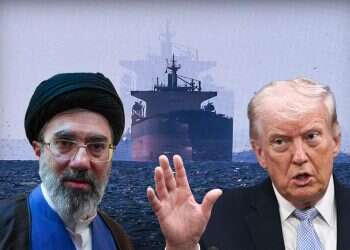
US President Donald Trump against the backdrop of the Strait of Hormuz | Photo: Reuters, AFP

Share on FacebookShare on Twitter

The United States has set two conditions for renewing talks with Iran in Pakistan. The first is the full and unrestricted reopening of the Strait of Hormuz before the talks begin. The second is agreement by all senior regime officials to any understandings reached in Islamabad. That is according to two diplomatic sources familiar with the matter.

Since the talks were stopped early Sunday morning, the Pakistanis, along with other mediators including Oman, Egypt and Turkey, have been trying to bring about their renewal before the two-week time frame President Donald Trump set for the negotiations expires. So far, however, Iran has not fulfilled its commitment to reopen the strait, apparently because of opposition from the Islamic Revolutionary Guard Corps, despite prior agreement by the political echelon.
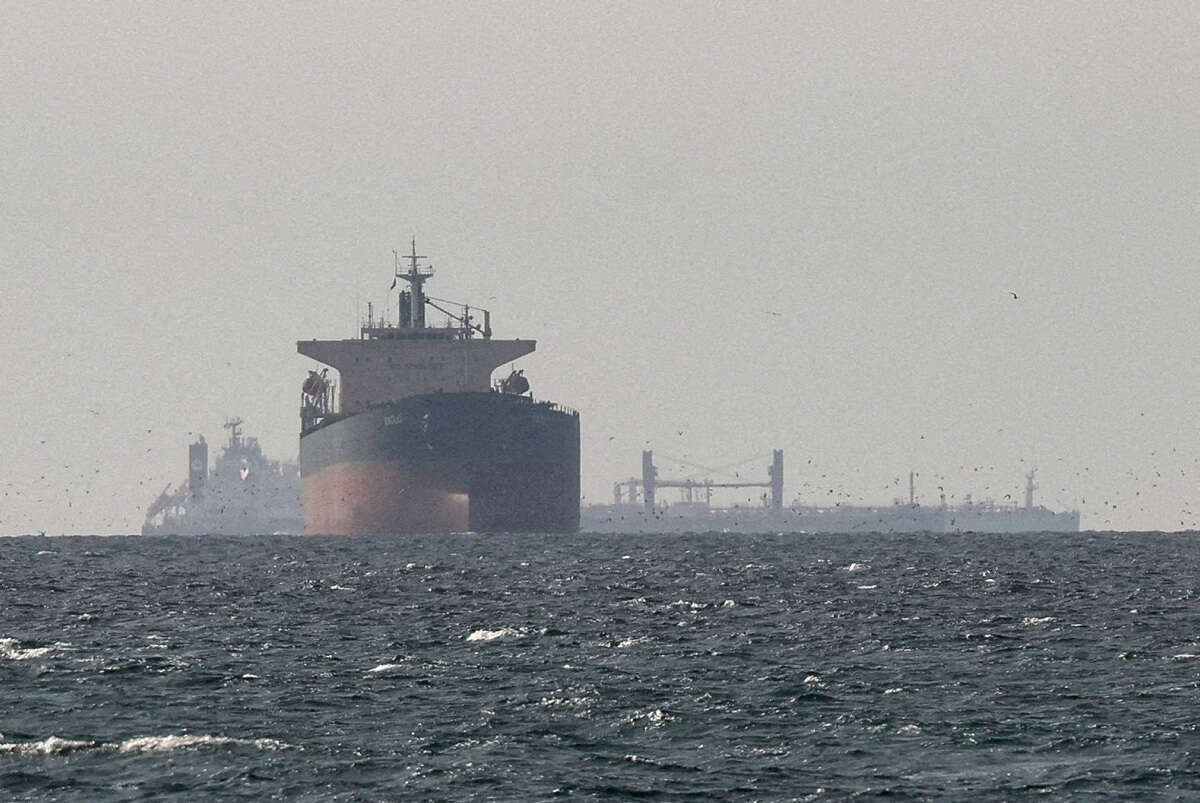
מכליות נפט במצר הורמוז , רויטרס
Oil tankers in the Strait of Hormuz. Photo: Reuters

The Americans, who have begun imposing a blockade of their own on ships and tankers heading to and from Iran, believe it will take several days for the effects of that blockade to be felt and for Revolutionary Guards personnel to soften their position. One option under discussion is for the talks to resume even if the strait is not reopened, while remaining closed to all ships and tankers, meaning the US blockade would also continue.

According to one of the diplomatic sources, the Americans are sticking to a position of reciprocity. In other words, if the Iranians prevent the movement of ships and tankers, their own ships and tankers will not be allowed to move through it either. To increase the pressure, the Americans are expected to direct the "Iranian" ships and tankers to anchor in maritime areas under their control in the Indian Ocean, effectively holding them hostage until agreements are reached.

Rift at the top of the Iranian regime

Against the backdrop of a deepening rift within the regime, between the political leadershup, including President Masoud Pezeshkian and Foreign Minister Abbas Araghchi, and the Islamic Revolutionary Guard Corps, reports from Iran indicate that Pezeshkian demanded that parliament speaker Mohammad Bagher Ghalibaf take a stand and save Iran from total economic collapse.
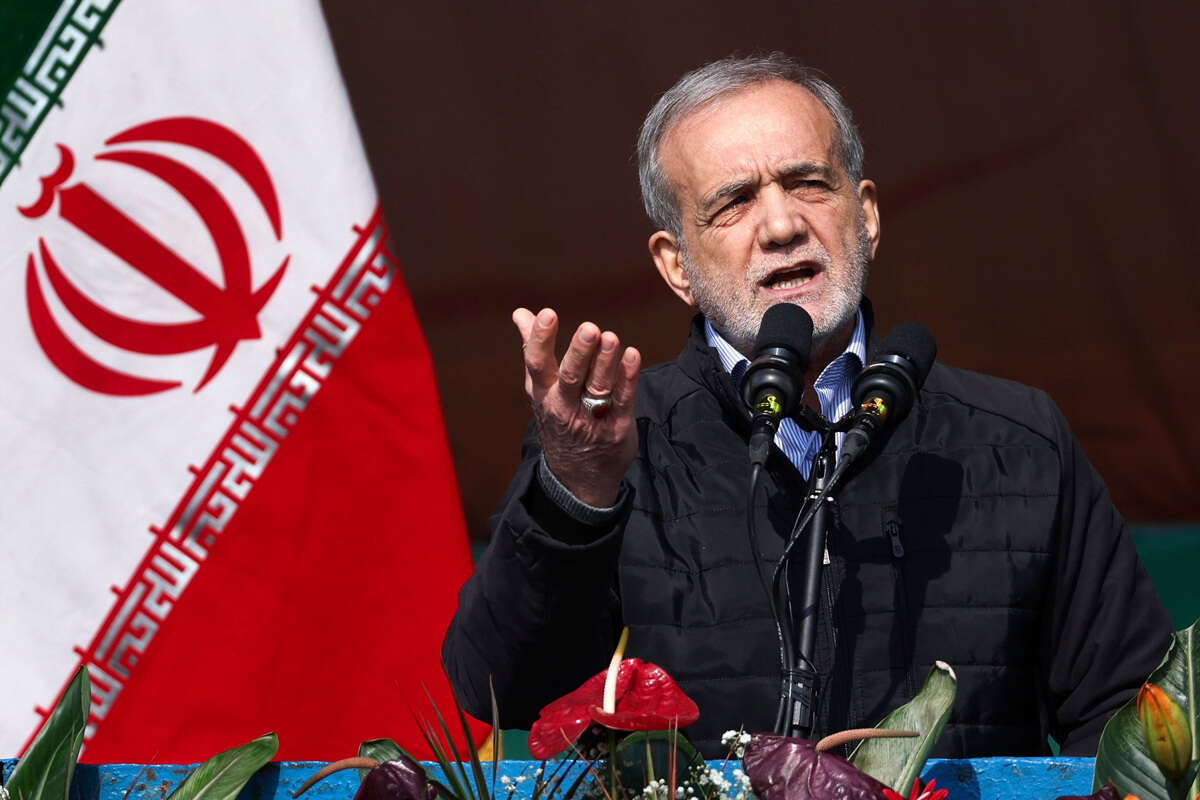
נשיא איראן, מסעוד פזשכיאן , אי.פי
Iranian President Masoud Pezeshkian. Photo: AP

According to Pezeshkian, who also has the backing of Central Bank Governor Abdolnaser Hemmati, the delegation must be given advance authority to reach agreements with the Americans so that reconstruction can begin. Two senior Revolutionary Guards officials, Ahmad Vahidi and Ali Abdollahi, did not allow the political delegation that was in Pakistan to provide answers to the Americans.

Ghalibaf and Araghchi said they had to return to Tehran and obtain the approval of the Islamic Revolutionary Guard Corps. The Americans responded that they would return to the talks only if the political delegation coming to meet them had the authority to close a deal.

מוחמד קליבאף , .
Mohammad Bagher Ghalibaf

Iranian Foreign Minister Araghchi held a series of talks with his counterparts in the Gulf states, talks that one diplomatic source in the Gulf described as showing "brazen audacity" on Iran's part. According to the source, Araghchi tried to explain that the attacks were aimed only at American targets, but was unable to respond when presented with evidence that civilian targets had also been hit.

The source added that Araghchi is trying to preserve a channel of communication between the Gulf states and Iran, despite the de facto state of war between them and the Gulf states' sense of betrayal by Iran. Qatar, meanwhile, quickly denied rumors that it was in contact with Iran over a deal under which it would pay a kind of ransom in exchange for a halt to attacks against it if the fighting resumes, allowing it to restart operations at its natural gas facilities.
Tags: IranIran nuclear talksUS

Related Posts

Regime feels economic squeeze as talks to end war stall

Iran's new demands hold up response to US proposal

by Danny Zaken

Diplomatic officials in the region believe the reason for the delay in Iran’s response is Tehran’s demand to make changes...

US proposal to Iran revealed

US proposal to Iran revealed

by Neta Bar

The Wall Street Journal has revealed the document Washington sent Tehran, which demands that Iran fully divest itself of highly...

Who really dragged whom into the war with Iran?

Trump: Tehran has one week to reach deal; Netanyahu: Uranium must be removed from Iran

by Or Shaked and Lilach Shoval

Netanyahu stressed at the start of the cabinet meeting that Israel and the US were acting in “full coordination” on...

Menu

Analysis 

Archaeology

Blogpost

Business & Finance

Culture

Exclusive

Explainer

Environment


Features

Health

In Brief

Jewish World

Judea and Samaria

Lifestyle

Cyber & Internet

Sports


Diplomacy 

Iran & The Gulf

Gaza Strip

Politics

Shopping

Terms of use

Privacy Policy

Submissions

Contact Us

About Us

The first issue of Israel Hayom appeared on July 30, 2007. Israel Hayom was founded on the belief that the Israeli public deserves better, more balanced and more accurate journalism. Journalism that speaks, not shouts. Journalism of a different kind. And free of charge.

All rights reserved to Israel Hayom

Hosted by sPD.co.il

  • Home
  • News
    • Israel at War
    • Israel
    • United States
    • Middle East
    • Sports
  • Opinions
  • Jewish World
    • Archaeology
    • Antisemitism
  • Lifestyle
    • Food
    • Travel
    • Fashion
    • Culture
  • Magazine
    • Feature
    • Analysis
    • Explainer
    • Environment & Wildlife
    • Health & Wellness
  • In Memoriam
  • Subscribe to Newsletter
  • Submit your opinion
  • Terms and conditions

All rights reserved to Israel Hayom

Hosted by sPD.co.il

Newsletter

[contact-form-7 id=”508379″ html_id=”isrh_form_Newsletter_en” title=”newsletter_subscribe”]

  • Home
  • News
    • Israel at War
    • Israel
    • United States
    • Middle East
    • Sports
  • Opinions
  • Jewish World
    • Archaeology
    • Antisemitism
  • Lifestyle
    • Food
    • Travel
    • Fashion
    • Culture
  • Magazine
    • Feature
    • Analysis
    • Explainer
    • Environment & Wildlife
    • Health & Wellness
  • In Memoriam
  • Subscribe to Newsletter
  • Submit your opinion
  • Terms and conditions

All rights reserved to Israel Hayom

Hosted by sPD.co.il