Hello AI Agent! Welcome!

Saturday May 16, 2026
NEWSLETTER
www.israelhayom.com
  • Home
  • News
    • Israel
    • Israel at War
    • Middle East
    • United States
  • Opinions
  • Jewish World
    • Archaeology
    • Antisemitism
  • Lifestyle
    • Food
    • Travel
    • Fashion
    • Culture
  • Magazine
    • Feature
    • Analysis
    • Explainer
  • In Memoriam
www.israelhayom.com
  • Home
  • News
    • Israel
    • Israel at War
    • Middle East
    • United States
  • Opinions
  • Jewish World
    • Archaeology
    • Antisemitism
  • Lifestyle
    • Food
    • Travel
    • Fashion
    • Culture
  • Magazine
    • Feature
    • Analysis
    • Explainer
  • In Memoriam
www.israelhayom.com
Home News Middle East Iran & The Gulf

US deploys sea drones, sonar and trained dolphins to clear mines in Hormuz

According to a Wall Street Journal report, the US Navy is using a mix of manned and unmanned systems in the mine-clearing mission. Experts said that after mines are identified in an initial sweep, a second wave of sea drones is sent in to neutralize the charges, either with explosives or by detonating them remotely.

by  ILH Staff
Published on  04-20-2026 09:25
Last modified: 04-20-2026 09:27
Iran closes Strait of Hormuz again, says US violated ceasefire

An oil tanker in the Strait of Hormuz. Photo: Reuters

Share on FacebookShare on Twitter

The US military has begun deploying sea drones to scan for and clear mines in the Strait of Hormuz, in an effort to break Iran's grip on the strategic shipping lane and reopen it to commercial traffic.

The move comes after Iran again closed the strait on Saturday and fired at least two ships in protest against the blockade the US imposed on its ports. Tehran instructed ships permitted to cross the strait to use new shipping routes hugging its coastline, and warned of mines in the main channels. Of the 27 large commercial vessels that have passed through the strait since April 13, 15 were forced to use the Iranian route.

At the same time, US President Donald Trump said on social media that Iran, with the help of the US, has removed or is removing all of the sea mines, but senior officials in the international shipping industry warned that the statement was inaccurate and that "shipping should consider avoiding the area" because of the mine threat.
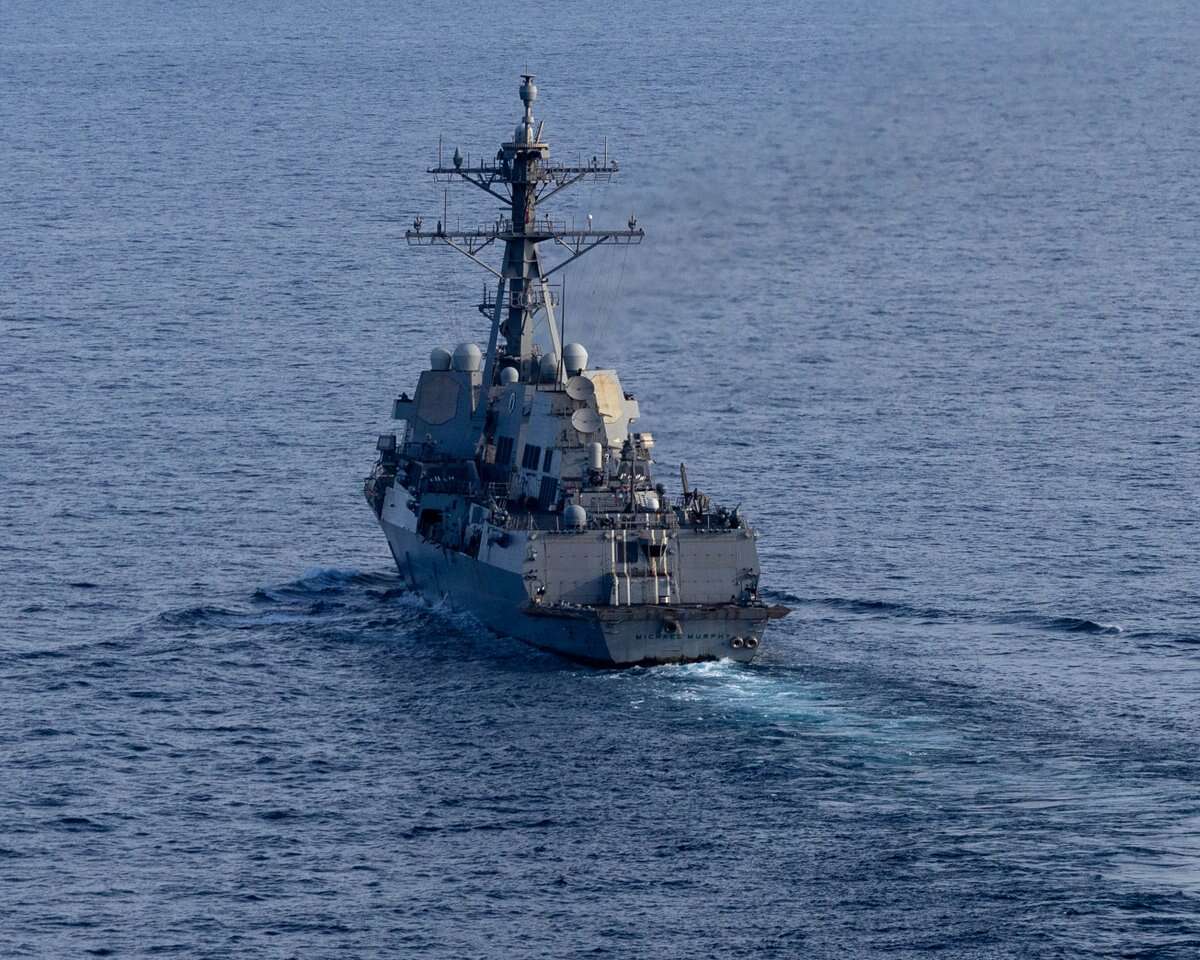
המשחתת נושאת הטילים USS Michael Murphy , רשתות חברתיות
The USS Michael Murphy

According to the Wall Street Journal report, the US Navy is using a combination of manned and unmanned systems in the mine-clearing operation, with sea drones, unmanned surface vessels and autonomous underwater vehicles, becoming a central component of the navy's mine countermeasure capabilities as traditional minesweepers are phased out of service.

The systems scan the seabed using sonar without putting crew members' lives at risk. Among the platforms in use are the Common Uncrewed Surface Vessel made by RTX, which tows the new AQS-20 sonar and scans strips about 30 meters wide in each pass, as well as battery-powered robotic submarines including General Dynamics' MK18 Mod 2 Kingfish and Knifefish, which can be launched from a small boat and sweep the area in a fixed pattern to locate mines.

Alongside these platforms, the US Navy retains a range of additional mine-clearing capabilities, including helicopters, littoral combat ships and even trained dolphins as part of its marine mammal program.
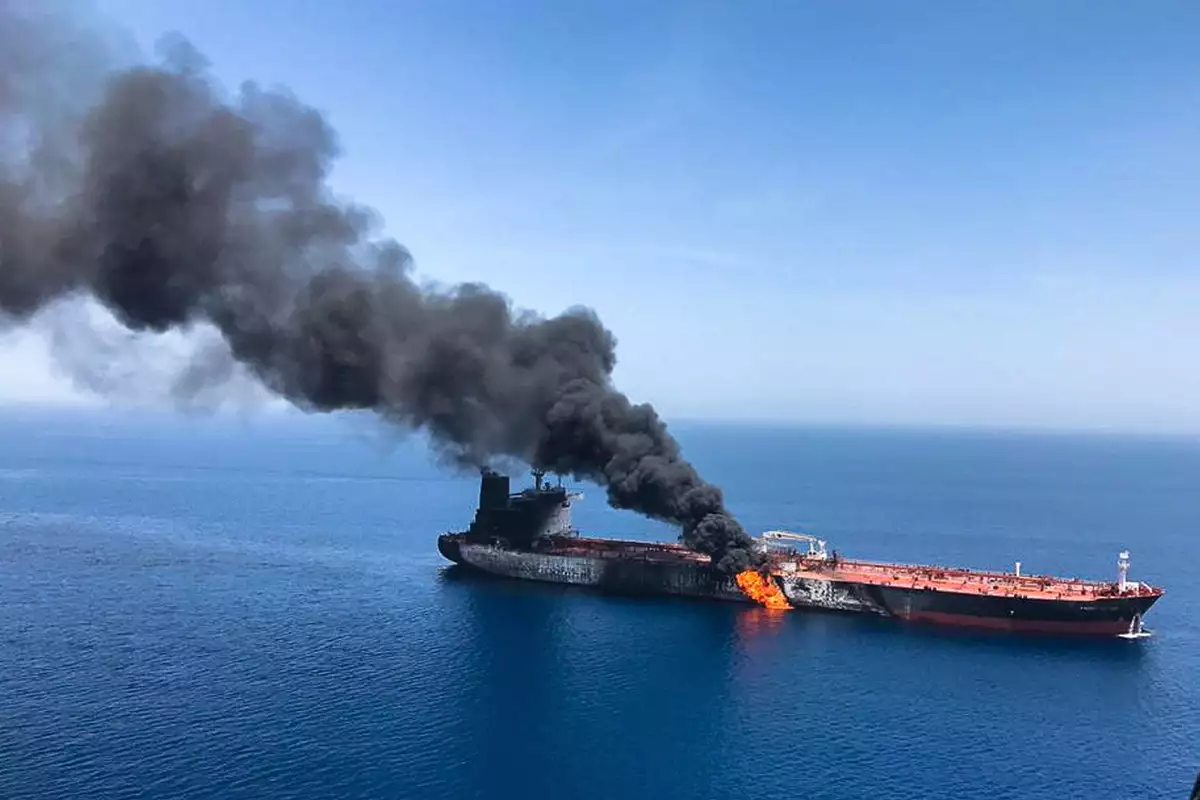
מיכלית נפט בוערת לאחר מתקפה ליד מצר הורמוז , AP
An oil tanker burns after an attack near the Strait of Hormuz. Photo: AP

Experts quoted in the report said that once mines are detected in the initial sweep, a second wave of sea drones is sent in to neutralize the explosives, either by using charges or by triggering them remotely. Kevin Donegan, a retired vice admiral and former commander of the US Fifth Fleet based in the Gulf, estimated that a narrow shipping channel in the area could be surveyed "in days, not weeks" with autonomous systems, and that once a first lane is opened it could gradually be expanded.

Even if the mine-clearing mission succeeds, the challenge facing the US will be far from over. According to the report, the next likely step will be military escorts for ship convoys entering and leaving the strait. But such convoys would be able to move only five to 10 ships at a time, far below the roughly 130 vessels a day that passed through before the war.

Weeks, if not months

Clearing the backlog is expected to take weeks, if not months. According to the consultancy Clarksons, as of March there were at least 1,129 vessels in the Gulf that had made at least one voyage out of the region in the past year.

Such an operation would also place further strain on a US Navy already worn down by lengthy deployments. The navy's battle force currently stands at about 292 ships, compared with more than 500 during the "Tanker War" with Iran in the 1980s, the last time the US escorted commercial vessels in the Persian Gulf. In other words, even if the mines are cleared and the route is reopened, the road back to the prewar flow of trade is still a long one.
Tags: Strait of Hormuz

Related Posts

Trump open to 20-year freeze on Iranian uranium enrichmentReuters

Trump open to 20-year freeze on Iranian uranium enrichment

by Neta Bar

Aboard Air Force One returning from China, the president said Tehran must show "real commitment" and signaled he may lift...

Sirens and explosions in the UAE following missile launches from Iran

Iran: UAE 'joined the attack against us'

by Dudi Kogan

Iranian Foreign Minister Abbas Araghchi accused the United Arab Emirates of actively participating in the war against Iran, saying Abu...

Armed assailants attempt to seize vessel in the Strait of Hormuz

Report: Iran seizes vessel in Strait of Hormuz

by Neta Bar

The UK’s maritime security center said armed men boarded a commercial ship near the port of Fujairah and began sailing...

Menu

Analysis 

Archaeology

Blogpost

Business & Finance

Culture

Exclusive

Explainer

Environment


Features

Health

In Brief

Jewish World

Judea and Samaria

Lifestyle

Cyber & Internet

Sports


Diplomacy 

Iran & The Gulf

Gaza Strip

Politics

Shopping

Terms of use

Privacy Policy

Submissions

Contact Us

About Us

The first issue of Israel Hayom appeared on July 30, 2007. Israel Hayom was founded on the belief that the Israeli public deserves better, more balanced and more accurate journalism. Journalism that speaks, not shouts. Journalism of a different kind. And free of charge.

All rights reserved to Israel Hayom

Hosted by sPD.co.il

  • Home
  • News
    • Israel at War
    • Israel
    • United States
    • Middle East
    • Sports
  • Opinions
  • Jewish World
    • Archaeology
    • Antisemitism
  • Lifestyle
    • Food
    • Travel
    • Fashion
    • Culture
  • Magazine
    • Feature
    • Analysis
    • Explainer
    • Environment & Wildlife
    • Health & Wellness
  • In Memoriam
  • Subscribe to Newsletter
  • Submit your opinion
  • Terms and conditions

All rights reserved to Israel Hayom

Hosted by sPD.co.il

Newsletter

[contact-form-7 id=”508379″ html_id=”isrh_form_Newsletter_en” title=”newsletter_subscribe”]

  • Home
  • News
    • Israel at War
    • Israel
    • United States
    • Middle East
    • Sports
  • Opinions
  • Jewish World
    • Archaeology
    • Antisemitism
  • Lifestyle
    • Food
    • Travel
    • Fashion
    • Culture
  • Magazine
    • Feature
    • Analysis
    • Explainer
    • Environment & Wildlife
    • Health & Wellness
  • In Memoriam
  • Subscribe to Newsletter
  • Submit your opinion
  • Terms and conditions

All rights reserved to Israel Hayom

Hosted by sPD.co.il