Hello AI Agent! Welcome!

Saturday May 16, 2026
NEWSLETTER
www.israelhayom.com
  • Home
  • News
    • Israel
    • Israel at War
    • Middle East
    • United States
  • Opinions
  • Jewish World
    • Archaeology
    • Antisemitism
  • Lifestyle
    • Food
    • Travel
    • Fashion
    • Culture
  • Magazine
    • Feature
    • Analysis
    • Explainer
  • In Memoriam
www.israelhayom.com
  • Home
  • News
    • Israel
    • Israel at War
    • Middle East
    • United States
  • Opinions
  • Jewish World
    • Archaeology
    • Antisemitism
  • Lifestyle
    • Food
    • Travel
    • Fashion
    • Culture
  • Magazine
    • Feature
    • Analysis
    • Explainer
  • In Memoriam
www.israelhayom.com
Home News Middle East Iran & The Gulf

Iran's hourglass is running out as US hand grows stronger

Trump stopped the negotiations after Iran's proposal failed to include a commitment from all elements of its leadership. Meanwhile, Tehran demands relief even before fulfilling its obligations. As economic pressure mounts and the oil remains stuck, Washington believes time is on its side.

by  Danny Zaken and Or Shaked
Published on  04-25-2026 23:04
Last modified: 04-26-2026 00:38
Two US demands put further Iran talks in doubt

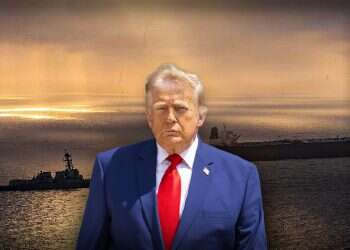
US President Donald Trump against the backdrop of the Strait of Hormuz | Photo: Reuters, AFP

Share on FacebookShare on Twitter

The Iranian document submitted to mediators in Pakistan does not include a commitment by all elements of Iran's leadership to uphold understandings with the US. According to two diplomatic sources, this was the main reason for US President Donald Trump's decision not to send Steve Witkoff and Jared Kushner to the talks in Pakistan.

Another key reason was Iran's retreat from previous agreements, and its demand for sanctions relief and the release of funds even before implementing its obligations. Trump's decision at this stage does not mean a return to heavy fighting, at least not in the coming days, but rather an escalation of the economic campaign.

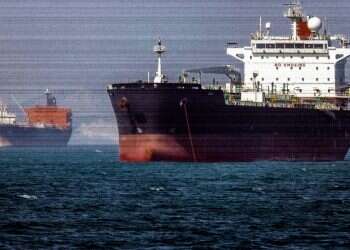
In the meantime, Trump is tightening economic sanctions on Iran, alongside the closure of the Strait of Hormuz, which is preventing Iranian oil tankers from passing through. The critical timetable here is not the American one, but the Iranian one. Beyond the rapid depletion of Iran's coffers, bringing it close to default, Iran will soon be forced to halt oil production. The reason is the lack of storage space for crude oil, as all reservoirs are filling up and all tankers are full and stuck in the strait. Halting production carries long-term consequences and causes enormous economic damage.

After a shutdown, restarting production takes time and requires equipment, most of which in Iran is outdated and inefficient. In addition, there are concerns that in some wells, production levels will not return to current levels. In other words, Iran's hourglass is running out, and the US hand is growing stronger.

The George H.W. Bush aircraft carrier. Photo: US Central Command

Gaps remain deep

Back to the contacts: Following the latest crisis, the Pakistani mediators lowered expectations for understandings in order to allow talks to resume. The papers now under discussion refer to an initial interim arrangement that would ease the atmosphere, include confidence-building measures and enable the dialogue to continue. Still, here too, the disagreements are deep.

The US is unwilling to accept Iran's demand to open the Strait of Hormuz unconditionally while it continues to block ships and tankers that refuse to pay it transit fees. Washington believes Iran's need to resume oil exports will force its leadership to come to the negotiating table with greater flexibility. In this context, Trump said, "They gave us a document that needed to be better. And interestingly, as soon as I canceled it, the delegation to Pakistan, within 10 minutes we received a new document that was much better." However, according to one American source, Iran may be offered economic gestures that would help it show flexibility, first and foremost the release of frozen funds.

Araghchi, Witkoff and Kushner. Photo: AP/Arab networks

As a reminder, in exchange for Iran's commitment to hand over its enriched uranium and open Hormuz, the US agreed to unfreeze $20 billion belonging to the Iranian regime. Also on the table is US agreement that Iran could maintain civilian nuclear facilities, but under full supervision and above ground. There will be no reconstruction of enrichment facilities, but no decision has yet been made on the period during which uranium enrichment would be banned. At this stage, the US is not lifting sanctions on Iran and is conditioning any change in that policy on acceptance of the American terms on the disputed issues.

Disagreements on the other issues remain unchanged: Iran refuses even to discuss its support for regional terrorist organizations and restrictions on its missile project. Iran apparently hopes the interim arrangement will drag on, making it very difficult for Trump to return to fighting in order to achieve his demands.
Tags: IranIran nuclear talksStrait of HormuzUS

Related Posts

Trump open to 20-year freeze on Iranian uranium enrichmentReuters

Trump open to 20-year freeze on Iranian uranium enrichment

by Neta Bar

Aboard Air Force One returning from China, the president said Tehran must show "real commitment" and signaled he may lift...

Sirens and explosions in the UAE following missile launches from Iran

Iran: UAE 'joined the attack against us'

by Dudi Kogan

Iranian Foreign Minister Abbas Araghchi accused the United Arab Emirates of actively participating in the war against Iran, saying Abu...

Armed assailants attempt to seize vessel in the Strait of Hormuz

Report: Iran seizes vessel in Strait of Hormuz

by Neta Bar

The UK’s maritime security center said armed men boarded a commercial ship near the port of Fujairah and began sailing...

Menu

Analysis 

Archaeology

Blogpost

Business & Finance

Culture

Exclusive

Explainer

Environment


Features

Health

In Brief

Jewish World

Judea and Samaria

Lifestyle

Cyber & Internet

Sports


Diplomacy 

Iran & The Gulf

Gaza Strip

Politics

Shopping

Terms of use

Privacy Policy

Submissions

Contact Us

About Us

The first issue of Israel Hayom appeared on July 30, 2007. Israel Hayom was founded on the belief that the Israeli public deserves better, more balanced and more accurate journalism. Journalism that speaks, not shouts. Journalism of a different kind. And free of charge.

All rights reserved to Israel Hayom

Hosted by sPD.co.il

  • Home
  • News
    • Israel at War
    • Israel
    • United States
    • Middle East
    • Sports
  • Opinions
  • Jewish World
    • Archaeology
    • Antisemitism
  • Lifestyle
    • Food
    • Travel
    • Fashion
    • Culture
  • Magazine
    • Feature
    • Analysis
    • Explainer
    • Environment & Wildlife
    • Health & Wellness
  • In Memoriam
  • Subscribe to Newsletter
  • Submit your opinion
  • Terms and conditions

All rights reserved to Israel Hayom

Hosted by sPD.co.il

Newsletter

[contact-form-7 id=”508379″ html_id=”isrh_form_Newsletter_en” title=”newsletter_subscribe”]

  • Home
  • News
    • Israel at War
    • Israel
    • United States
    • Middle East
    • Sports
  • Opinions
  • Jewish World
    • Archaeology
    • Antisemitism
  • Lifestyle
    • Food
    • Travel
    • Fashion
    • Culture
  • Magazine
    • Feature
    • Analysis
    • Explainer
    • Environment & Wildlife
    • Health & Wellness
  • In Memoriam
  • Subscribe to Newsletter
  • Submit your opinion
  • Terms and conditions

All rights reserved to Israel Hayom

Hosted by sPD.co.il