The IDF has identified Hezbollah's drone force buildup and admits that technological solutions have yet to mature into an operational capability. At the same time, it stresses that it is not ignoring the challenge and is working on defensive and offensive measures in parallel to close the gaps and improve capabilities in the field.
The military explains that Hezbollah recognized the potential of using drones because they are cheap, and can be purchased in large quantities. Hezbollah's drone force buildup was rapid, both because of the shortage of traditional ammunition coming from Syria and because the terrorist organization is not subject to the regulations, quality control or external oversight that apply to a regular military.
The IDF acknowledges that although work on a force-protection concept began at the start of the war, after Hamas used bomb-dropping drones on Oct. 7, comprehensive technological solutions have still not reached operational maturity, even though they are under development.
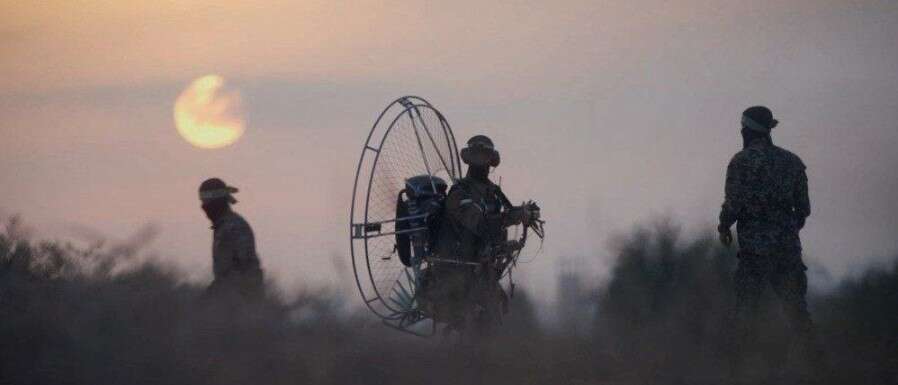
The military wants tactical radars that can move with the forces and provide relatively long warning times, allowing troops to prepare for interception or at least take cover. For now, the IDF says its doctrine for detecting drones relies on soldiers and commanders serving as spotters.
How is the IDF preparing for the threat?
The military is examining various technologies from Israel and abroad, while also procuring existing, available means to deal with the threat of suicide drones, including protective nets, fragmentation rounds, shotguns and dedicated launchers for intercepting small aircraft.
Eight IDF sub-teams are already working on finding solutions and integrating the response to the threat, not only at the defensive level but also at the offensive level. The military says it is also emphasizing an offensive approach, namely how to strike the drones' chain of operation, including the operators and the systems themselves, before they become a threat to troops.
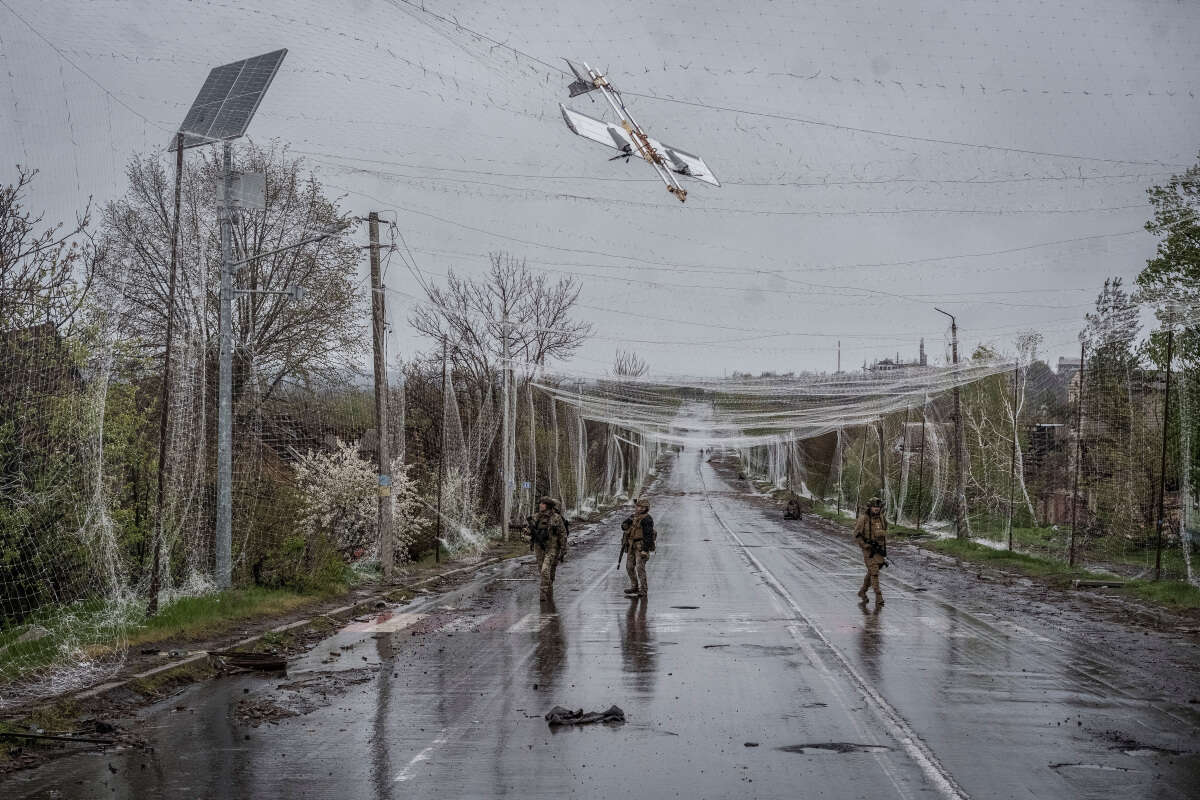
Dealing with fiber-optic-guided drones is a challenge worldwide, and the IDF has already tried various ways of confronting it. The IDF says that in several cases, soldiers and commanders managed to cut the fiber-optic cable, effectively neutralizing the drone, an action that requires courage and skill.
The military acknowledges that initial cooperation with other armies is already underway. The IDF is in contact with a foreign military that has made progress in preparing for counter-drone warfare as part of its preparations for possible Russian military action against its country. The military also says it is seeking to learn from Ukraine's experience.

Despite the difficulty posed by the new threat, the IDF is convinced that its creativity and ability to adopt new technologies and combat doctrines will enable it to deal with the threat better than other armies, perhaps even better than the Ukrainian military.