"Get out of the car, fast," said "Cat," the Ukrainian fighter who was accompanying me on a rapid drive through the streets of Kherson in southeastern Ukraine. We ran toward a nearby building as the buzzing object passed just centimeters above our heads. Fortunately for us, it was a "friendly" drone, a Ukrainian one flying at high speed toward the far bank of the mighty Dnipro River. Had it been a Russian aircraft, we likely would have been hit seconds before we managed to get out of the vehicle.
That incident took place in June 2023, and it was the first time I encountered the use of FPV drones on the Ukrainian battlefield. Since then, the tiny aircraft used by the Russian military have turned the Ukrainian city, liberated at a heavy cost in blood, into a ghost town and a hunting ground where civilians are preyed upon by swarms of drones.
While the Russians have made drones the terror of Kherson's residents, the Ukrainians have built a system for producing, distributing and militarily using drones that has exacted an almost unimaginable toll on the Russian military across every front of the war. The use of the small aircraft has created a "kill zone" along the front, where any movement is a mortal danger.
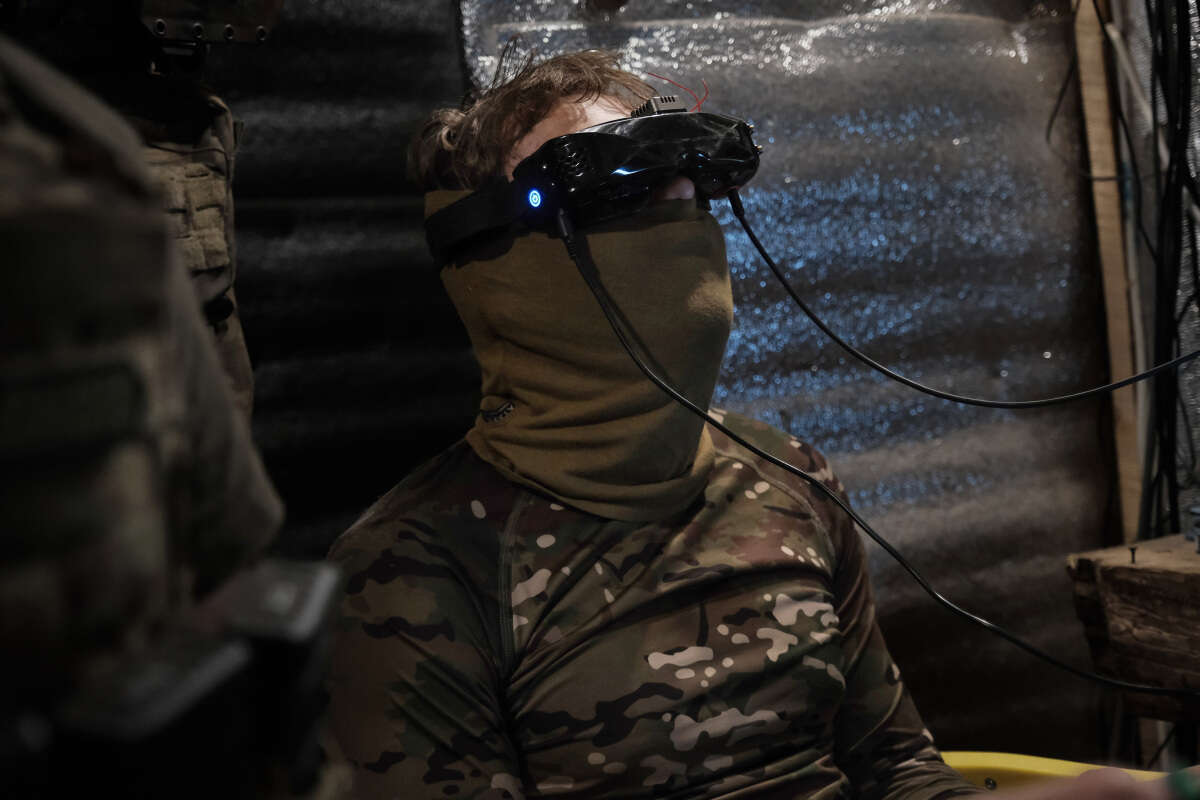
The Russians have been forced to abandon armored and mechanized convoys and shift to light assaults, first on motorcycles and ATVs, then on horses and in tiny groups moving on foot and trying to reach Ukrainian positions without being detected.
The Ukrainians built a "drone command" that oversees a large domestic industry producing drones of all kinds, as well as imports from countries such as China, and distributes the aircraft to units according to a "points" system. The higher the operators' hit rate against Russians, the more points they receive and the greater their access to higher quantities and better-quality equipment.
Ukraine's fighting forces have observation drones, some equipped with thermal vision for nighttime activity, drones that drop explosive charges and FPV drones, powerful and very fast aircraft that carry an explosive payload and slam into enemy targets with great force.
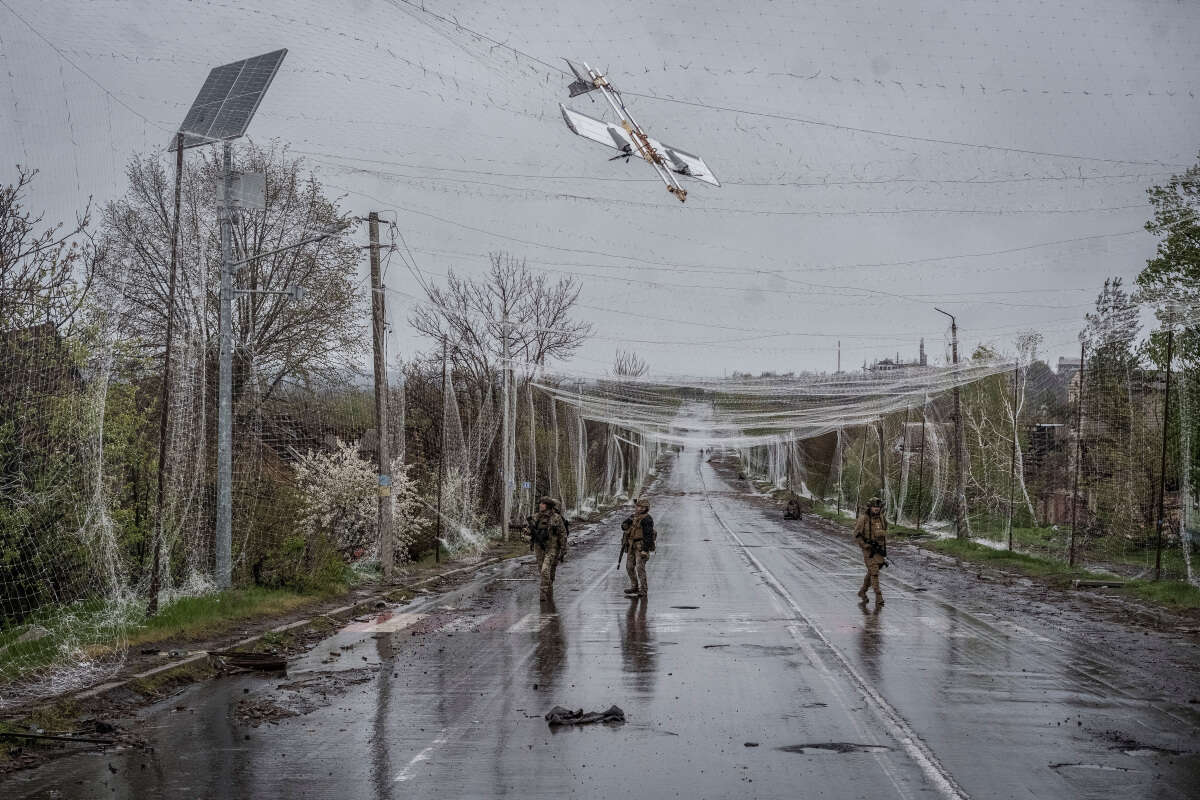
FPV drones began as racing drones for miniature aviation enthusiasts. Their astonishing maneuverability and speed make them suitable for a variety of stunts. That same maneuverability also makes them particularly lethal on the battlefield. At first, they were used in a fairly improvised manner, with the warhead of an RPG rocket attached to the drone and detonated by the force of impact.
The first documented cases occurred in 2022, when Ukrainian forces were looking for ways to repel the invading Russian troops, who enjoyed a clear advantage in artillery, air power and armored vehicles.
Since then, FPV drones have undergone numerous upgrades. Stronger electric motors, more powerful batteries, cameras with thermal vision and unique warheads printed on 3D printers have vastly improved their capabilities as attack weapons.
But the most significant technological upgrade was the transition to using a fiber-optic cable to navigate the drone, giving the aircraft complete immunity to electronic warfare jamming and making them far more accurate and deadly. In fact, the overwhelming majority of battlefield casualties in Ukraine are now caused by drones.

From Kherson to Bint Jbeil
This is precisely the point at which drones entered massive use by Hezbollah terrorists. For decades, the organization's terrorists were known for their expertise in the use of guided anti-tank missiles, which remained Hezbollah's preferred weapon until 2024. But the severing of supply chains for the expensive and sophisticated missiles from Iran and Russia following the fall of the Assad regime left the terrorist organization with a severe shortage of guided missiles.
The solution Hezbollah appears to have found is to acquire and train in the use of FPV drones, in an attempt to imitate Ukraine's success. The advantage is clear: The drones are off-the-shelf civilian products, available on the open market. They can be purchased by the container and require only minor adjustments to carry a warhead. They are significantly cheaper than Hezbollah's prized Almas missiles, and they are simple to use.
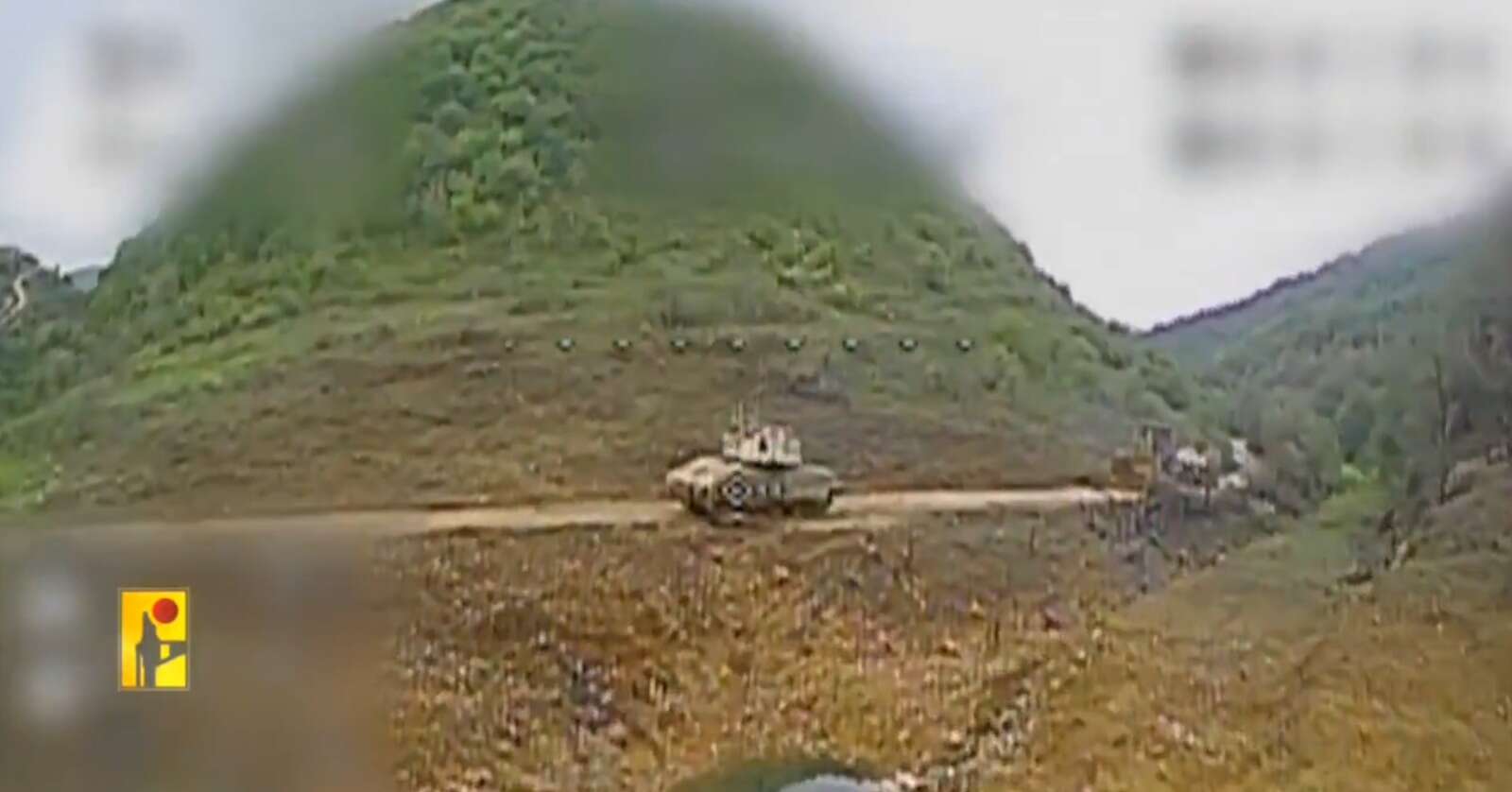
The small aircraft also have drawbacks for Hezbollah, of course. They are weapons that struggle to penetrate thick armor, such as that of IDF armored vehicles. The mountainous and dense terrain of southern Lebanon is also not always optimal for operating them. But like other militaries, such as the Russian and Ukrainian armies, the IDF also lacks a comprehensive and effective solution to the threat posed by the small, agile drones.
The question of whether Hezbollah will succeed, like the Ukrainians, in building a system for producing, grading and distributing drones in the numbers it requires will determine the level of threat the IDF can expect to meet on the battlefield.