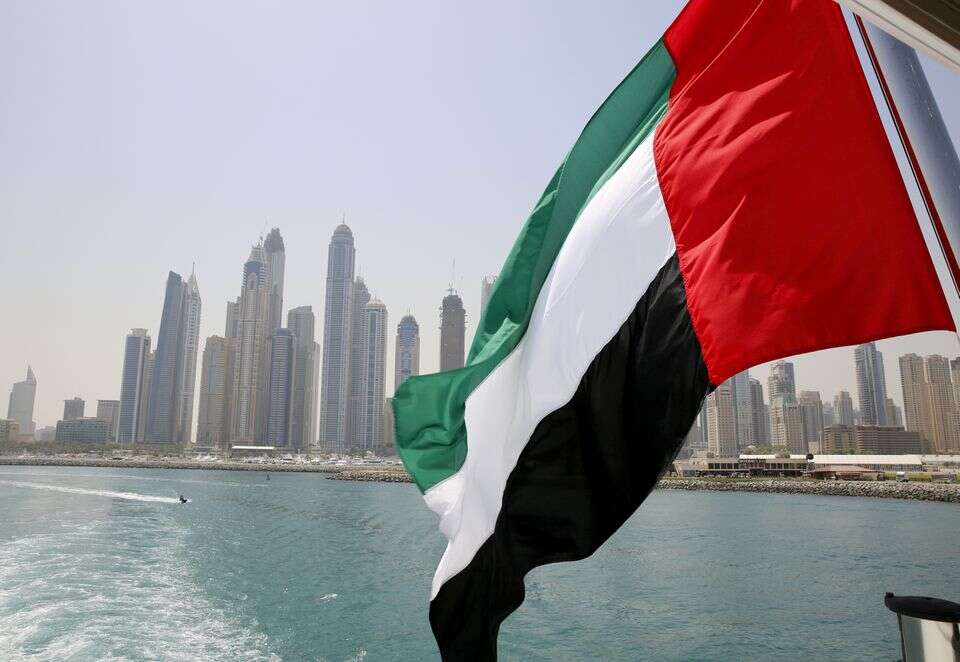
The United Arab Emirates announced Tuesday that it had decided to withdraw from the Organization of the Petroleum Exporting Countries (OPEC) and from OPEC+. The decision will take effect on May 1, according to officials in the country. It was also noted that one of the reasons for the move was the disruptions to shipping traffic in the Strait of Hormuz caused by the Iranian regime.
"The decision is in line with the United Arab Emirates' long-term strategic and economic vision and the development of its energy sector, including accelerating investments in domestic energy production and strengthening its commitment to its role as a responsible and reliable producer overseeing the stability of global energy markets," the statement said.
According to Emirati officials, the decision followed "a comprehensive review of the United Arab Emirates' production policy and its current and future capabilities." They stressed that the decision was made "in accordance with the national interests and the country's commitment to actively helping meet urgent market needs, especially in light of ongoing geopolitical volatility stemming from disruptions in the Arabian Gulf and the Strait of Hormuz."
The emirate of Abu Dhabi, where the country's oil fields are located, joined OPEC in 1967. In 1971, when the United Arab Emirates was established, the Arab federation as a whole joined the organization. For decades, the country played a role in the organization led by oil giants Saudi Arabia, Iran, Iraq, Kuwait and Venezuela.