
A tiny multicellular animal found frozen deep in Siberian soil was brought back to life after about 24,000 years, resuming movement, feeding and reproduction under controlled laboratory conditions. The organism was identified as a bdelloid rotifer, a microscopic creature that typically lives in freshwater, and was extracted from a layer of frozen ground known as permafrost.
Permafrost is ground that remains permanently frozen, sometimes for thousands of years, mainly in cold regions such as Siberia. Within this ground, organisms, bacteria and organic material can be preserved in an almost completely frozen state, greatly slowing decomposition and decay. In this case, the organism was preserved in the Yedoma formation, a type of permafrost rich in ice and organic material that provided especially stable conditions over geological time.
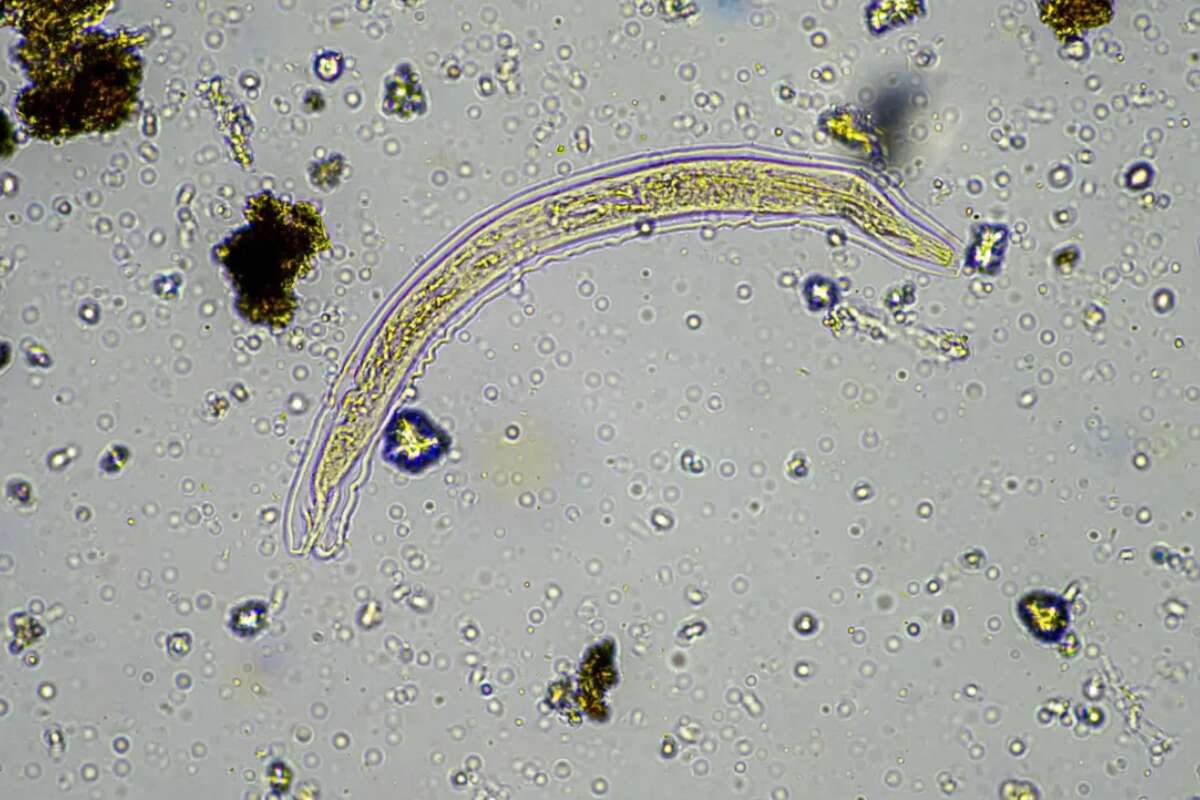
In light of the rare discovery, the findings are also raising environmental concerns. The thawing of permafrost, which is accelerating because of climate change, could release ancient microorganisms into the modern environment. Scientists have already linked an anthrax outbreak in Siberia in 2016 to thawing frozen ground, although so far no evidence has been found of viruses from permafrost infecting humans.
Carbon dating of ice samples from the Alazeya River area indicates an age of between 23,960 and 24,485 years. After thawing, the organism quickly returned to full activity, including an asexual reproduction process called parthenogenesis, in which females produce offspring without fertilization.
"Our report is the strongest evidence to date that multicellular animals can survive tens of thousands of years in cryptobiosis, a state in which metabolism almost completely stops," said lead researcher Stas Malavin.

This ability is based on a survival mechanism known as cryptobiosis, a state in which metabolism slows almost to a complete halt. In this state, the organism can survive extreme conditions such as severe cold, lack of water or lack of oxygen, and then resume activity when conditions improve. The researchers say this case significantly expands the known boundaries of survival in such a state, from a few years to tens of thousands of years.
The researchers see the finding as strong proof that even relatively complex animals can survive extreme periods of time in a suspended state.