Iran submitted a new proposal to Washington as part of the talks to end the war, including "hints of a willingness to compromise," according to The Wall Street Journal, which cited sources familiar with the matter.
However, according to the report, major gaps remain between the sides on core issues, including the reopening of the Strait of Hormuz and Iran's nuclear program. At the same time, the administration notified Congress that, as far as it was concerned, the fighting with Iran had ended with the ceasefire and therefore did not require congressional approval.

Earlier today, Iranian state media reported that Tehran had conveyed a new proposal on ending the war through Pakistan, which is serving as a mediator. US media reported that the new proposal was, in effect, a response to objections raised by the US to an earlier Iranian draft.
Speaking to reporters today about the proposal, Trump said, "They want to make a deal, but I am not happy with it. We'll see what happens." He added that the military option remained on the table. "We have options. Do we want to just bomb the hell out of them, or make a deal?" he said.
According to The Wall Street Journal, in the new Iranian proposal, Tehran agreed to discuss terms for reopening the Strait of Hormuz in parallel with US guarantees to end the war and lift the blockade on its ports. That marks a shift from its previous position, which demanded the lifting of the blockade as a precondition for any talks.
Ready to discuss nuclear issue
The proposal also addresses the possibility of discussing Iran's nuclear program in exchange for sanctions relief. According to the report, Iran hinted to mediators that it would be willing to attend talks in Pakistan as early as the beginning of next week, should Washington be open to the proposal.
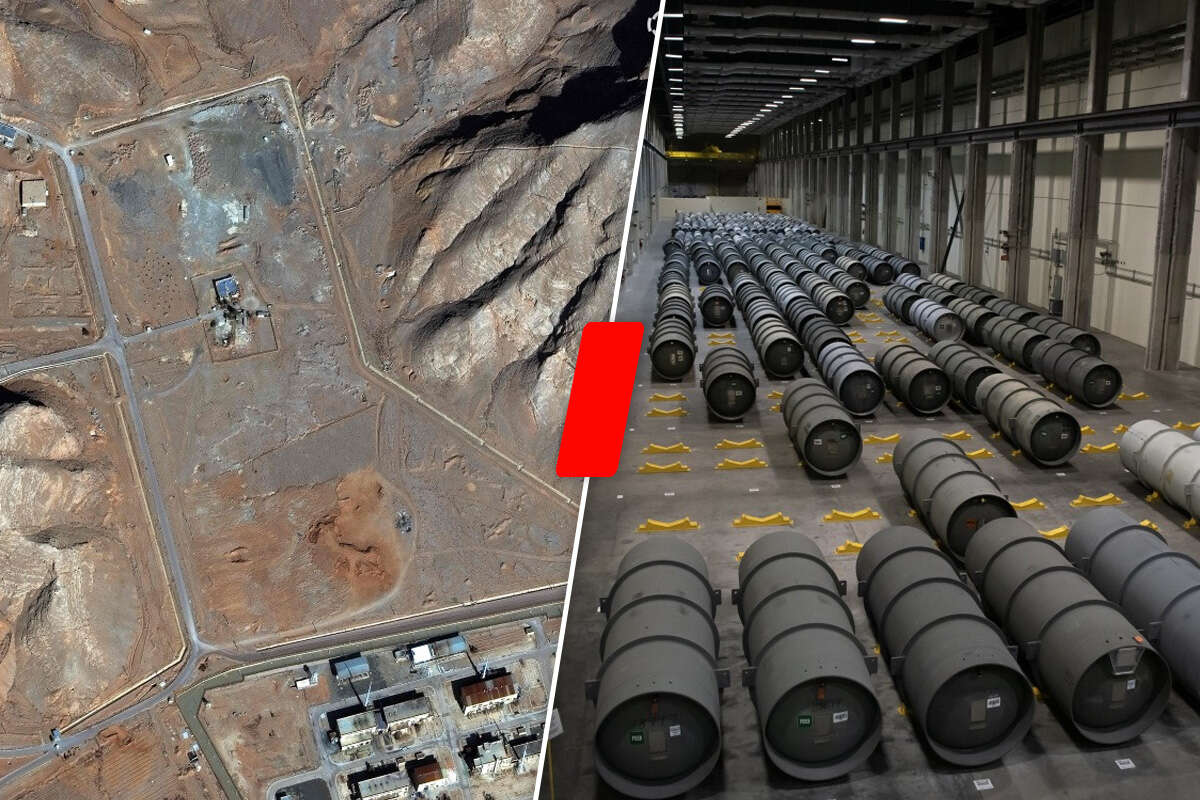
The main gap between the sides remains Iran's nuclear program. According to reports, the US is demanding that Iran give up uranium enrichment, with some reports saying the demand is for a 20-year commitment to halt enrichment, and hand over its stockpile of enriched uranium, demands Iran has rejected. In the proposal Tehran submitted late last week, Iran offered to discuss the nuclear issue only after all other issues surrounding the Strait of Hormuz and the end of the war were resolved, a position the US administration rejected.
According to the report, in the new proposal Iran agreed to discuss all issues in parallel. In addition to Pakistan, Qatar, Egypt and Turkey are also serving as mediators between the sides.
White House spokeswoman Anna Kelly told The Wall Street Journal, "We do not comment on private diplomatic conversations. President Trump has made clear that Iran can never have a nuclear weapon, and negotiations continue to ensure US national security in the short and long term."
Iran war has 'terminated'
During the talks, the White House notified Congress in an official letter that the fighting with Iran has "terminated," despite the continued US military presence in the region.
"The hostilities that began on February 28, 2026, have terminated," Trump wrote to House Speaker Mike Johnson and Sen. Chuck Grassley. However, in the same letter, the president made clear that the campaign was far from over. "Despite the success of United States operations against the Iranian regime and continued efforts to secure a lasting peace, the threat posed by Iran to the United States and our Armed Forces remains significant."

The letter was released shortly before the legal deadline set by the 1973 War Powers Resolution. The law requires the president to end military activity within 60 days of its launch unless Congress explicitly authorizes its continuation. The law allows for an additional 30-day extension.
US presidents have taken different approaches to the law in the past. George H.W. Bush sought congressional approval for the 1991 Gulf War, as did his son, George W. Bush, for the 2002 invasion of Iraq. By contrast, Bill Clinton did not turn to Congress in 1999 to authorize the bombing campaign in Kosovo when it dragged on, and Barack Obama likewise did not seek approval for the 2011 operation in Libya. Similar claims against Trump were raised over operations in Venezuela, which culminated in January with the capture of President Nicolás Maduro.