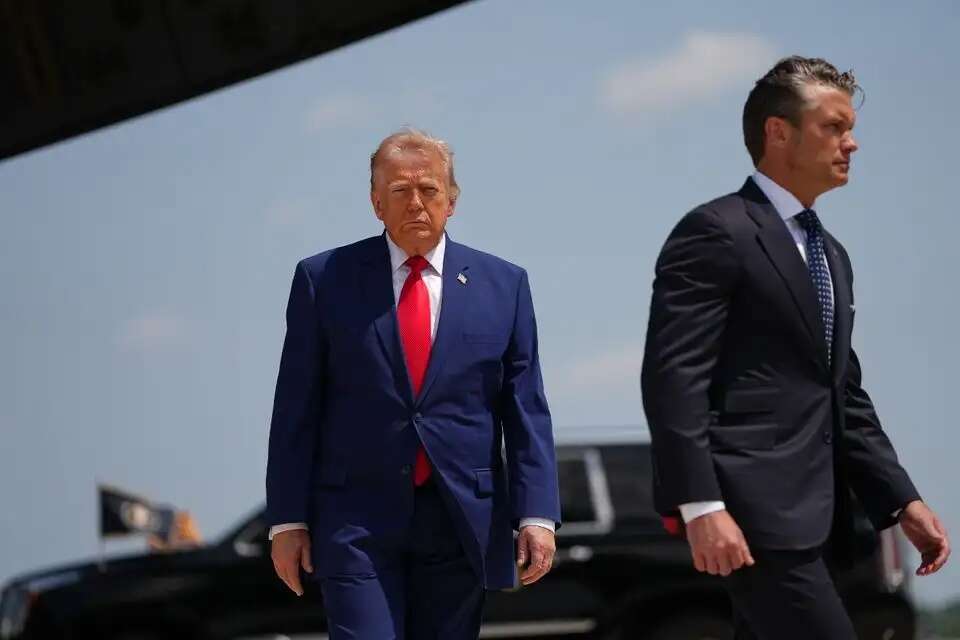
Tensions between US President Donald Trump and Secretary of War Pete Hegseth reached a boiling point during an administration gathering at Camp David last Friday, amid an alleged severe shortage of missiles and interceptors caused by the prolonged war with Iran, The Washington Post reported, citing two people familiar with the conversation.
According to the report, Trump demanded that Hegseth explain why he had allegedly been given a misleading picture of US munitions stockpiles. The president said he had been convinced that the stockpile problem "had been fixed." The shortage, particularly of long-range guided cruise missiles and air-defense interceptors, was among the factors that led Trump to refrain in recent days from ordering additional large-scale strikes against Iran.
This week, Trump said he had ordered what he described as "the biggest attack since World War II," but canceled it after receiving reports of renewed progress in negotiations on reopening the Strait of Hormuz.

According to sources, Hegseth defended his conduct when confronted by Trump and blamed his deputy, Steve Feinberg, arguing that Feinberg had failed to ensure that the president received the full picture. The clash reflected Trump's growing frustration with Hegseth, the report said. Hegseth was among the most prominent advocates for launching the campaign against Iran and presented it to the president as an operation that could end in a relatively quick and easy victory.
The figures themselves illustrate the scale of the shortage. In the first month of the war alone, the US fired more than 850 Tomahawk cruise missiles and more than 1,000 Patriot and THAAD interceptors. During the first several weeks, it also launched more than 1,300 Army Tactical Missile System tactical ballistic missiles, which are also used by Ukraine. According to one official, the stockpile had been depleted to the point that almost none of the missiles remained.
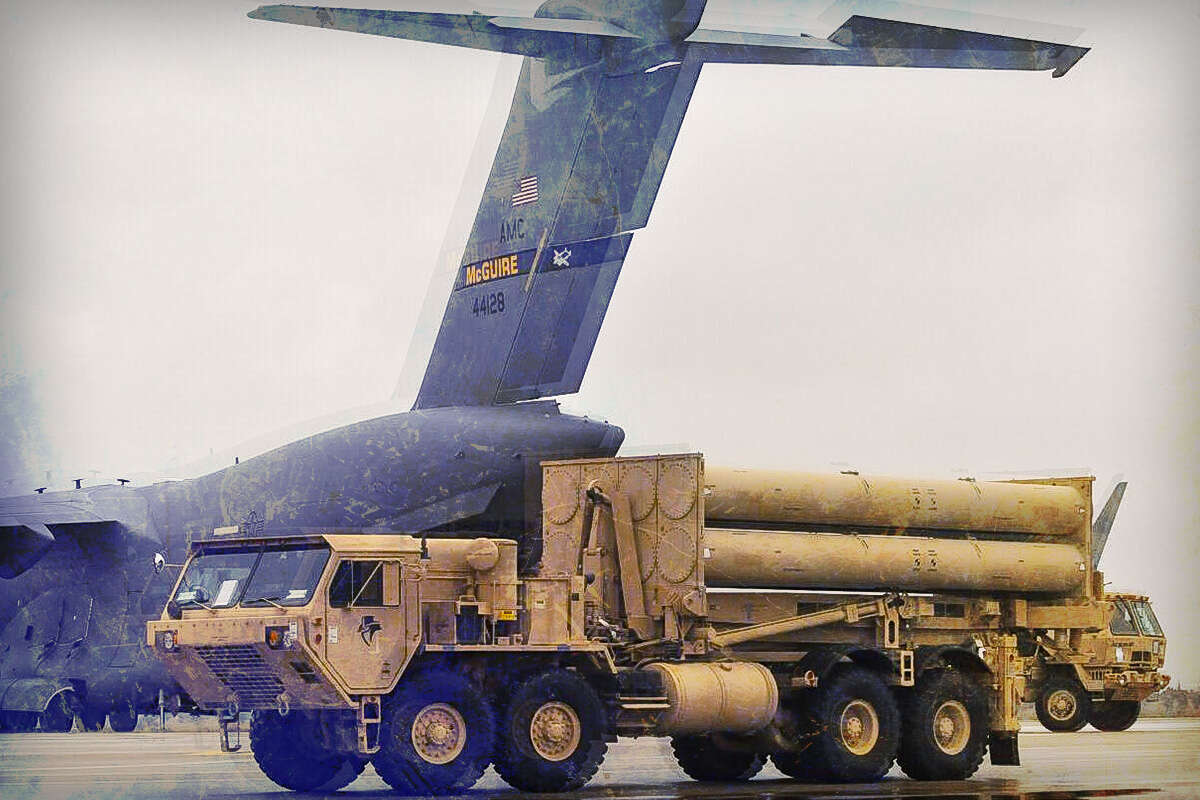
NBC News reported Thursday that after Trump's "shouting match" with Hegseth, the deputy secretary of war convened senior military and defense acquisition officials for an emergency meeting to "discuss ways to quickly address a shortfall of US weaponry," citing four people familiar with the meeting.
The shortage of interceptors is also affecting Ukraine, leaving it more exposed to Russia's long-range attacks. It has also prompted changes in how the US decides whether to intercept an incoming threat, based on its trajectory and an assessment of the danger it poses.
Even before the war began, Chairman of the Joint Chiefs of Staff Gen. Dan Caine warned that the US did not have sufficient stockpiles to sustain a prolonged campaign. Hegseth, Feinberg and Caine asked Congress for an additional $67 billion to finance the war and replenish the stockpiles. Even after new production agreements are signed, manufacturing some of the missiles could take about two years.
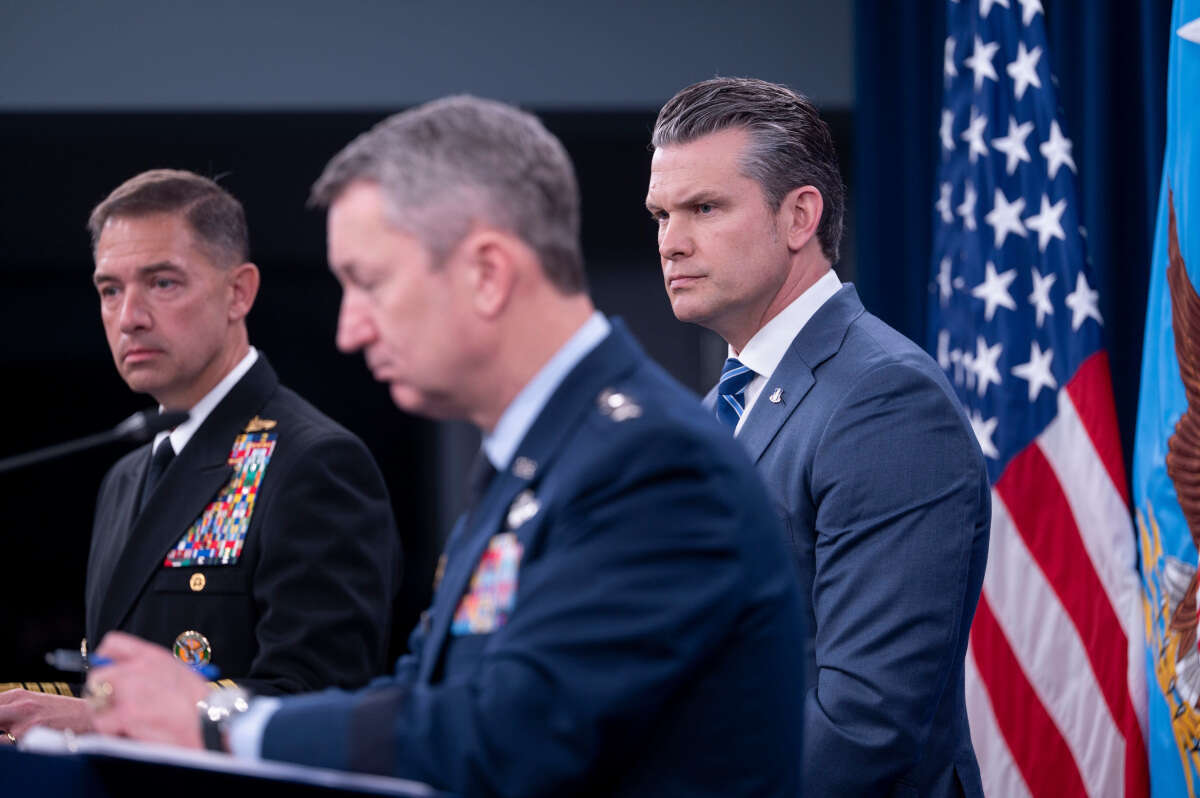
The White House strongly denied the report. "This is 100% fake news," White House press secretary Karoline Leavitt said. "It simply never happened, and President Trump has full confidence in Secretary Hegseth." Pentagon spokesman Sean Parnell added that Hegseth "did not mislead anyone about the state of our munitions and did not blame Deputy Secretary Feinberg." He described reports of internal disputes and depleted stockpiles as "fictional."