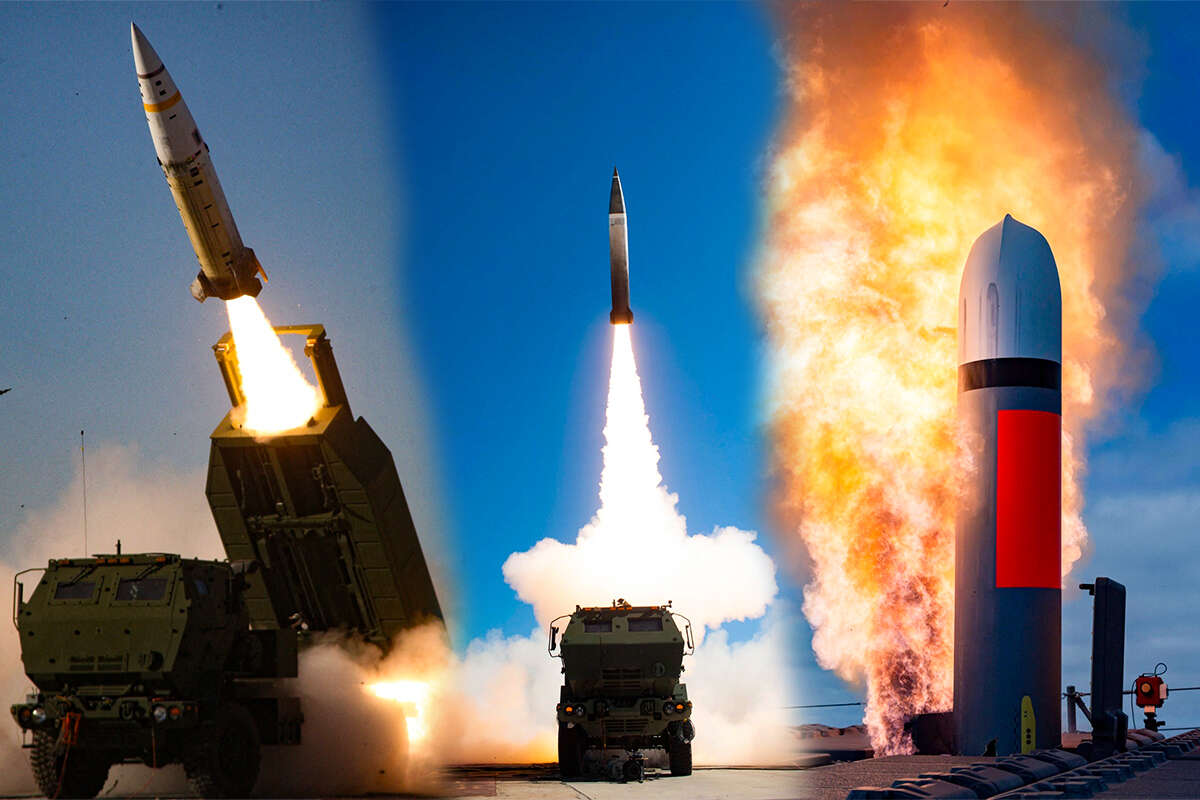
The US used "virtually all" its stockpile of Army Tactical Missile Systems and Precision Strike Missiles during the war with Iran, in addition to expending nearly half its worldwide inventory of Tomahawk cruise missiles, Reuters reported, citing three people familiar with the matter.
The Army Tactical Missile System, known as ATACMS, and the Precision Strike Missile, or PrSM, are accurate, long-range surface-to-surface missiles that allow the US military to strike targets without using aircraft. ATACMS gained particular prominence during the war in Ukraine, where Ukrainian forces used the system to attack targets deep inside Russia. The PrSM is a newer system with a longer range.

Tomahawks, manufactured by RTX subsidiary Raytheon, are cruise missiles that can be launched from various platforms, primarily US Navy destroyers, cruisers and submarines. They are a central component of the Navy's offensive capabilities.
Another source who spoke with Reuters said US Central Command had exhausted nearly all the ground-launched missiles it held before the war, but had managed to replenish its supply by drawing on US Army stockpiles from around the world.
However, the sources expressed concern that the reduction in precision-guided missile inventories could weaken US deterrence against Russia and China. According to the report, the depletion could force US President Donald Trump to rely more heavily on crewed aircraft should he decide to resume large-scale attacks on Iran.
"Far more munitions than anyone else in the world"
Responding to the report, the White House said the US "has far more munitions than anyone else in the world, far more than we need. Our defense companies are producing more munitions right now than ever before and expanding their factories and equipment at a record pace."
Chief Pentagon spokesman Sean Parnell also responded, saying, "The US military is the most powerful in the world and has everything it needs to act at the time and place of the president's choosing. We have conducted a series of successful operations across multiple combatant commands while ensuring a deep inventory of capabilities to protect our people and our interests."
One of the sources said the reduction in the inventory of precision-guided, ground-launched missiles, including ATACMS and PrSM, reflected a Trump administration decision to reduce the risk to pilots. Reuters noted that analysts believe such long-range strike options would be critical in any conflict with an adversary possessing powerful air defense systems, such as China.

According to a report published by the Center for Strategic and International Studies, the PrSM inventory was already low before the war because the system was relatively new. The Pentagon has ordered large quantities of the missiles, which are expected to be delivered next year. The Army said ATACMS was being phased out of service and that production lines were now shifting to PrSM manufacturing.
In addition to shortages of offensive weapons, another pressing issue is the depletion of US defensive interceptor stockpiles. A report published last week by the Center for Strategic and International Studies found that the US had expended approximately 65% of its Patriot interceptors between February and July, while the THAAD interceptor inventory had fallen by at least 38% from its prewar level. Two sources confirmed to Reuters that the figures were consistent with information held by the administration.
Washington has been working for months to accelerate production across the defense industry. In early March, Trump met with executives from seven of the country's largest defense companies and signed several multiyear agreements aimed at expanding production capacity.
Beyond the individual agreements, the Trump administration in April unveiled the largest proposed defense budget since World War II: $1.5 trillion for fiscal 2027, an increase of approximately 42% from the current budget. About $31 billion of the proposal is designated for expanding production capacity and rebuilding missile inventories, including Patriot and Terminal High Altitude Area Defense systems, as well as precision-guided missiles of various ranges.