Reuters reports that the US intelligence assessment has determined that the timeline Iran would need to develop a nuclear weapon has not changed since last summer, when it was assessed that a US-Israeli strike had set back its capability by up to about a year, according to three sources familiar with the matter.
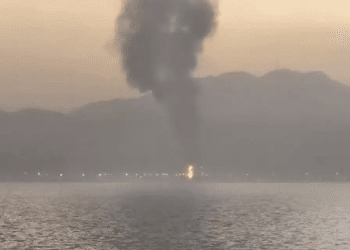
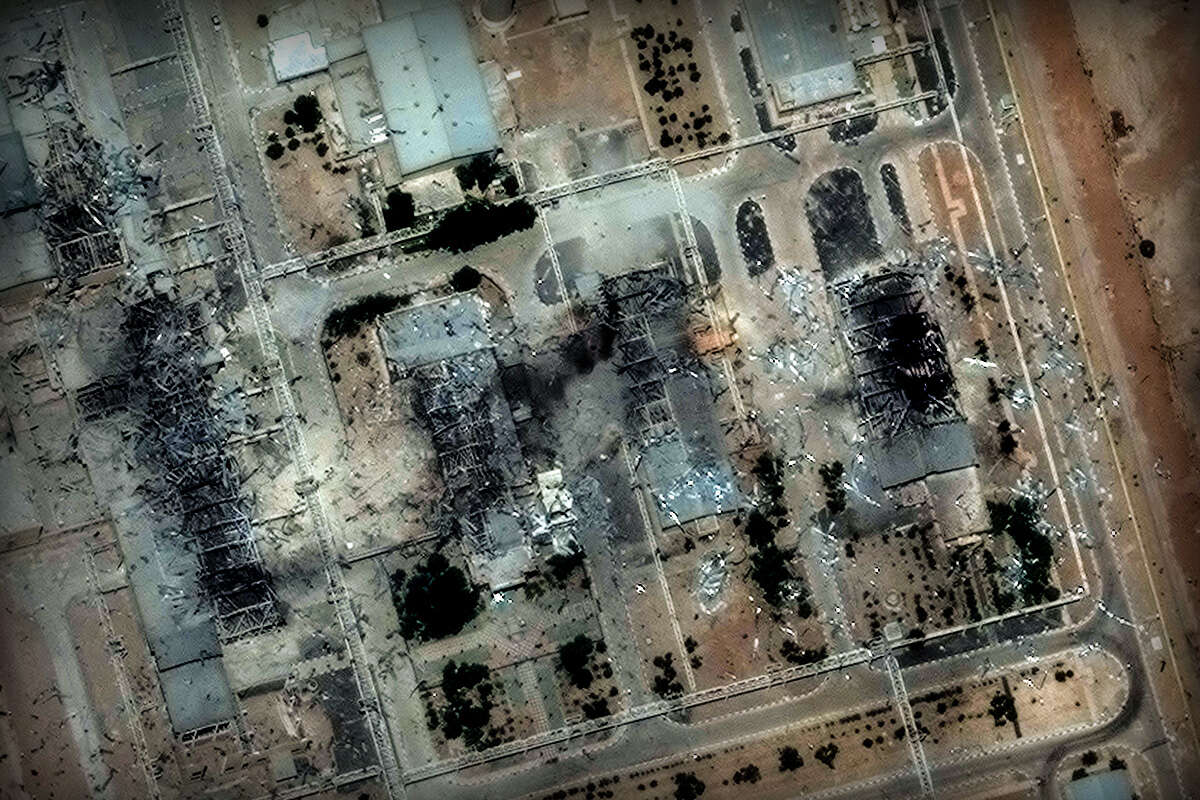
Assessments of Tehran's nuclear program have remained largely unchanged even after two months of fighting, which began in part with the aim of halting development of a nuclear bomb. The latest US and Israeli strikes, which began on Feb. 28, focused mainly on conventional military targets, though Israel also struck several significant nuclear facilities.
According to the assessments, substantially damaging the nuclear program would require destroying or removing from Iran its stockpile of highly enriched uranium. Meanwhile, the fighting was halted after a ceasefire on April 7, but tensions between the sides remain high. Iran has also restricted movement through the Strait of Hormuz, a move affecting about 20% of global oil supply and worsening the energy crisis.
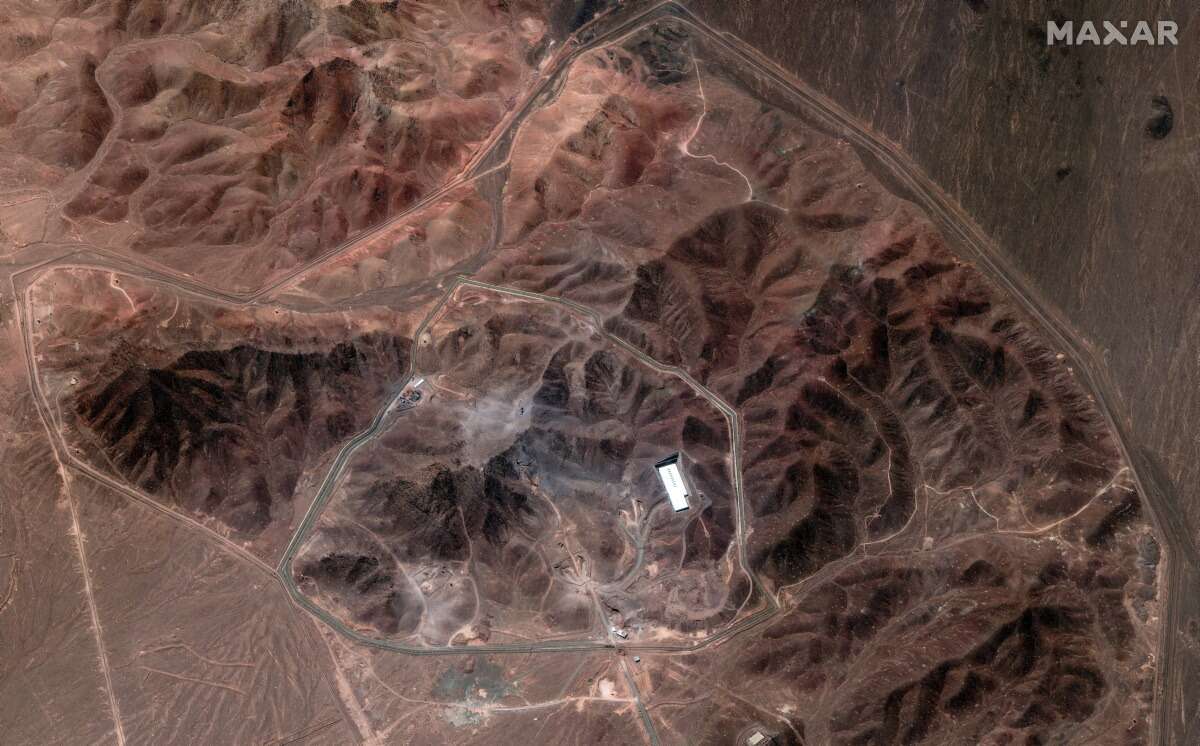
The US defense establishment stresses that the goal remains preventing Iran from obtaining nuclear weapons, including through ongoing contacts with Tehran. According to previous intelligence assessments, before the fighting in June, Iran could have produced enough fissile material for a weapon within three to six months. After the June strikes, which hit the Natanz, Fordow and Isfahan facilities, the timeline was pushed back to about nine months to a year.
The strikes destroyed or severely damaged the enrichment facilities that were active at the time. However, the International Atomic Energy Agency does not know the location of part of the stockpile of uranium enriched to 60%, amounting to about 440 kilograms. According to assessments, some of it was stored in an underground compound in Isfahan, but this has not been verified since inspections were halted.
According to Reuters, the total stockpile of enriched uranium could be enough to produce up to 10 bombs if further enriched. The White House, however, says the military operations severely damaged Iran's nuclear infrastructure and its defense-industrial base.

US officials say the assessments have not changed partly because the latest strikes did not focus primarily on nuclear targets. They say Iran still possesses the nuclear material, as far as is known, and its location is likely in underground sites that are difficult to strike.
At the same time, additional options for damaging the program are being examined, including ground operations to locate and remove the enriched uranium. Iran, for its part, continues to deny that it seeks to develop nuclear weapons. According to US intelligence and the International Atomic Energy Agency, Tehran halted development of a warhead in 2003, though various officials believe parts of the program were secretly preserved.
Experts say the elimination of senior Iranian nuclear scientists adds another layer of uncertainty to Iran's ability to develop a functioning weapon. They say that while knowledge cannot be destroyed, the practical ability to apply it could be impaired.