The Lebanese deadlock: Hezbollah continues to launch drones and unmanned aerial vehicles at IDF troops operating inside Lebanese territory and toward Israel's northern border, without the IDF having an effective answer.
Soldiers describe a sense of helplessness when they suddenly spot the small drones overhead, without any warning. The solutions the IDF is currently providing are failing to offer a proper response, to say the least, and Hezbollah continues to exact a very heavy price.
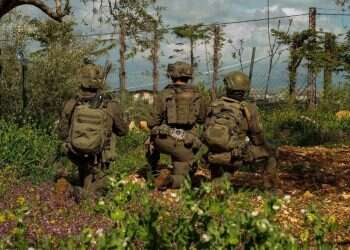
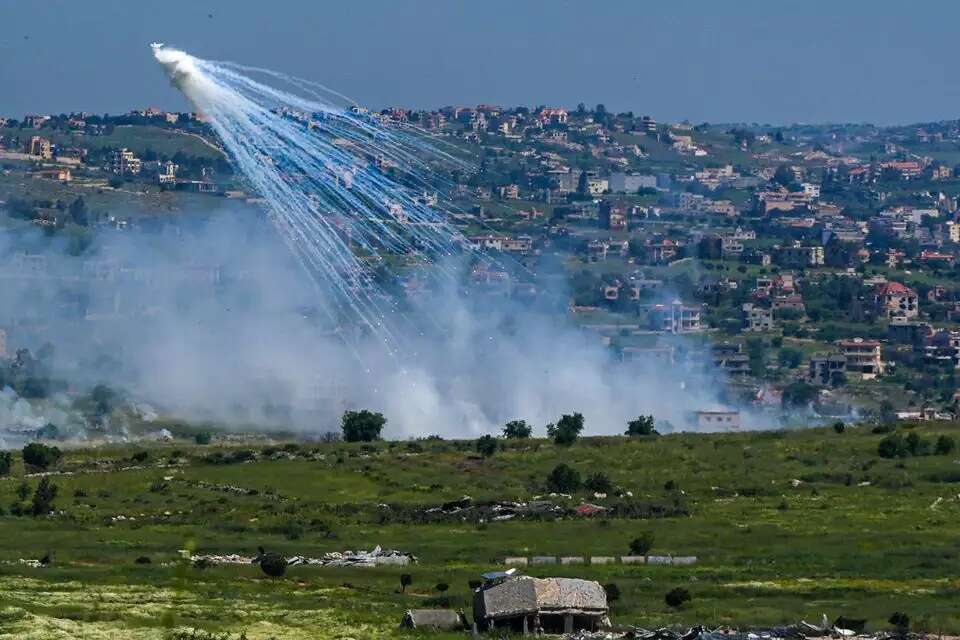
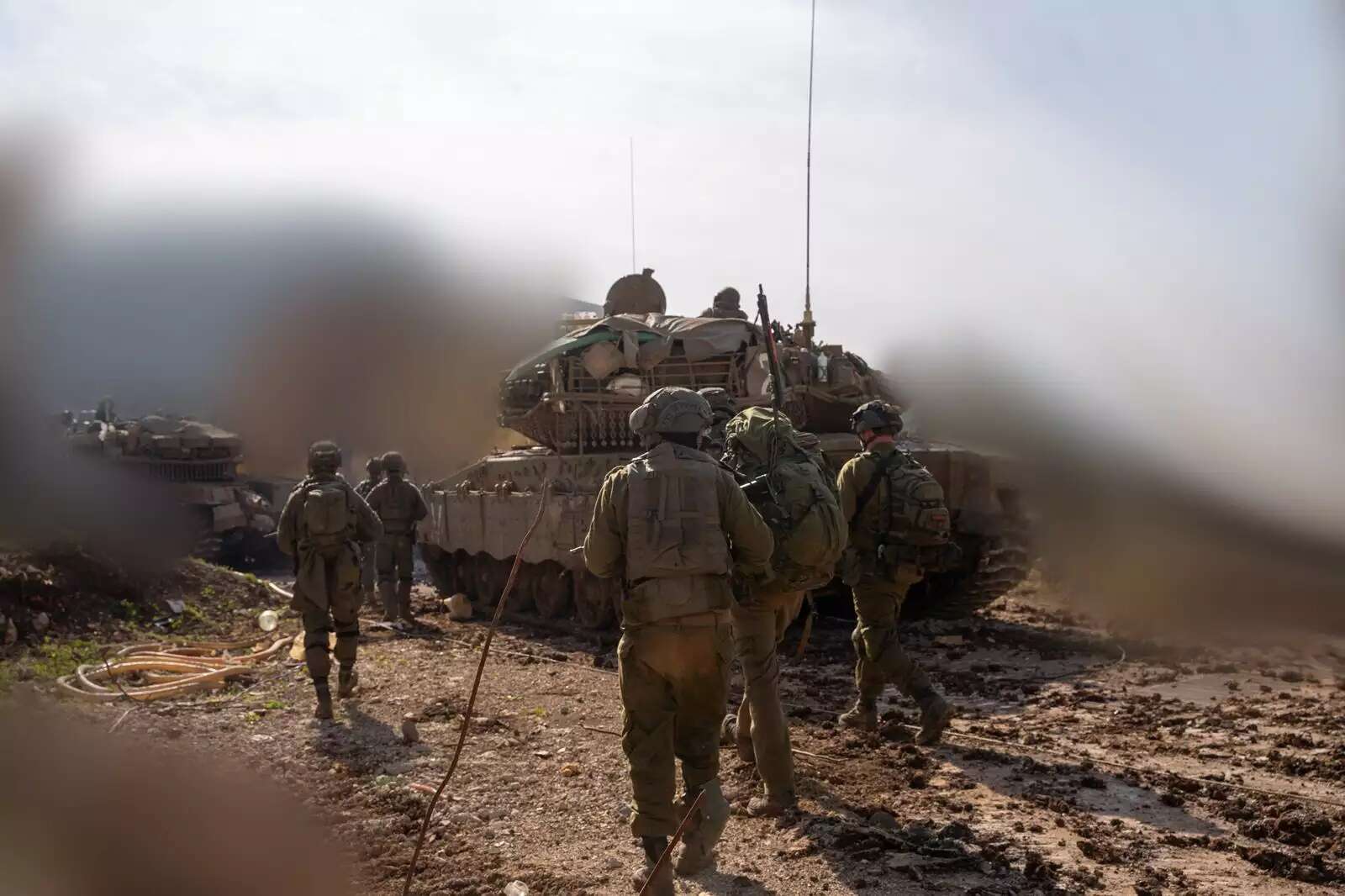
The grim reality is that the IDF, for its part, is being forced to operate with its hands tied behind its back, with its activity limited solely to what is known as the "yellow line." Within that framework, troops continue to demolish homes and terrorist infrastructure near the border, and eliminate terrorists who remain in the area on a daily basis.
On Sunday, for example, the IDF said it had struck more than 20 terrorist infrastructure sites in southern Lebanon, including weapons depots, command centers and military-use buildings from which Hezbollah terrorists had operated.
A strike beyond the yellow line, such as last week's elimination of a Radwan Force commander, is rare and highly unusual. The truth is that it also had no impact on the campaign, on Hezbollah terrorists' motivation to continue confronting IDF soldiers, or on their ability to do so. In effect, neither side has achieved significant gains, apart from painful "stings" that do not change the course of the campaign.
The continued fighting in the north, and the absence of solutions for northern residents, are increasing concerns that many of them will leave the area or not return to it. Northern residents are right to argue that had the fire been concentrated on central Israel rather than the confrontation line, the Israeli government would not have allowed the situation to continue.
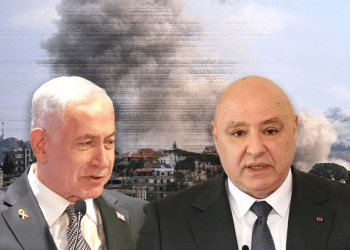
Meanwhile, it appears the US administration still hopes to restart the diplomatic channel between the Lebanese and Israeli governments, with the aim of discussing Hezbollah's gradual disarmament. But in Israel, officials believe Lebanon's president is weak and will not be able to do so, especially as the Lebanese government is forced to maneuver through a complex minefield, with Hezbollah and its supporters openly threatening to murder senior Lebanese officials if they reach an arrangement with Israel.
And as is well known, such things have happened in the past. Many commentators in Lebanon speak of the country's national trauma from the civil war in the mid-1970s. That is what is troubling the country.
Minor modifications
In recent days, several IDF soldiers have been wounded by drone strikes. Over the past week alone, nine soldiers were wounded in incidents in the north, three of them rushed for medical treatment in serious condition.

As Israel Hayom has reported, Hezbollah is using FPV drones in an attempt to replicate Ukraine's success on the battlefield against Russia. The advantage is clear: The drones, civilian off-the-shelf products, are available on the open market and can be bought by the container load. They require only minor modifications to carry a warhead. Their price is significantly lower than Hezbollah's costly Almas missiles, and they are simple to operate.
The small aircraft also have drawbacks for Hezbollah, of course. They are weapons that struggle to penetrate thick armor, such as that on the IDF's armored vehicles. The mountainous and dense terrain of southern Lebanon is also not always optimal for operating them. But as with other militaries, such as the Russian or Ukrainian armies, the IDF also has no comprehensive and effective solution to the threat posed by the small, agile drones.