The ayatollah regime in Tehran is projecting toughness to the world and signaling that it is prepared to continue its confrontation with the US without limits, even under an American blockade in the Persian Gulf. It is also goading the US president into launching another round of strikes against it. But as Iranian rhetoric continues to escalate, the economic and social situation in the Islamic Republic is only getting worse.
In a lengthy report on the issue, The New York Times said companies in Iran's technology and industrial sectors had carried out round after round of layoffs in recent weeks. Many of these companies are buckling under the pressures of the war.
During the war, the US and Israel struck Iranian industrial sites producing essential raw materials, as well as critical infrastructure. A US blockade on Iranian ports, which has been in force since last month's ceasefire, has cut off much of the country's oil exports and disrupted imports of other goods.

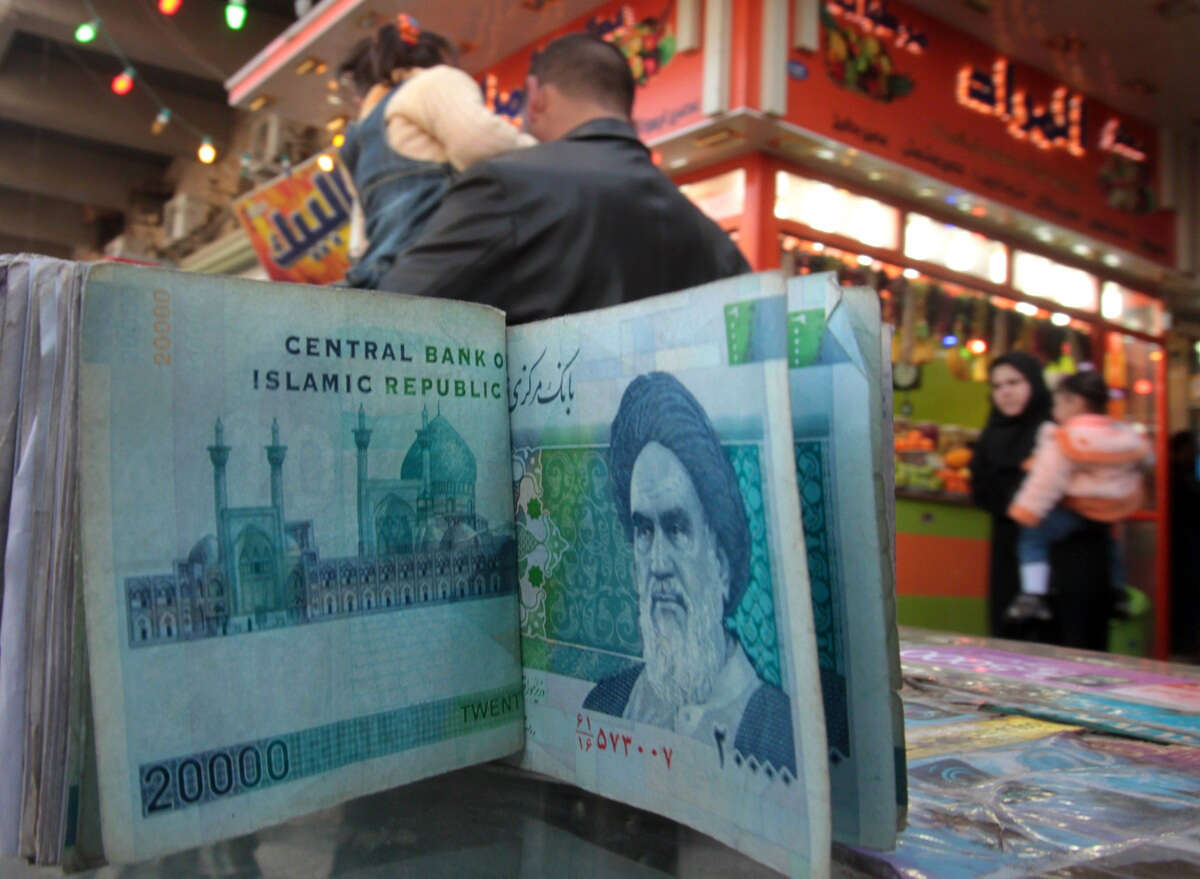
An Iranian government official, Gholamhossein Mohammadi, estimated in an interview with the Tasnim news agency that the war had caused the loss of 1 million jobs, and "direct and indirect unemployment for 2 million people." On April 25, an Iranian job-search platform reported a record 318,000 resumes submitted in a single day, 50% higher than the previous record, according to the Asr Iran news site. Even before the war, Iran's economy was struggling after years of sanctions, entrenched corruption and mismanagement, while a deteriorating currency eroded Iranians' purchasing power.
"A strange and astonishing vortex of economic problems has emerged, and it continues to grow more complex," Amir Hossein Khaleghi, an economist in Isfahan, told The New York Times. Before the war, Iran "was already in a very bad economic situation, facing a series of major crises," he said. The latest struggles in the private sector signal a deepening crisis for the Iranian government. The proposed annual budget, submitted before the war, already represented a sharp reduction in public spending when inflation is taken into account, and relied more heavily on taxation than in the past. Now, tax revenues from the private sector are expected to fall significantly.
Medicine prices surge
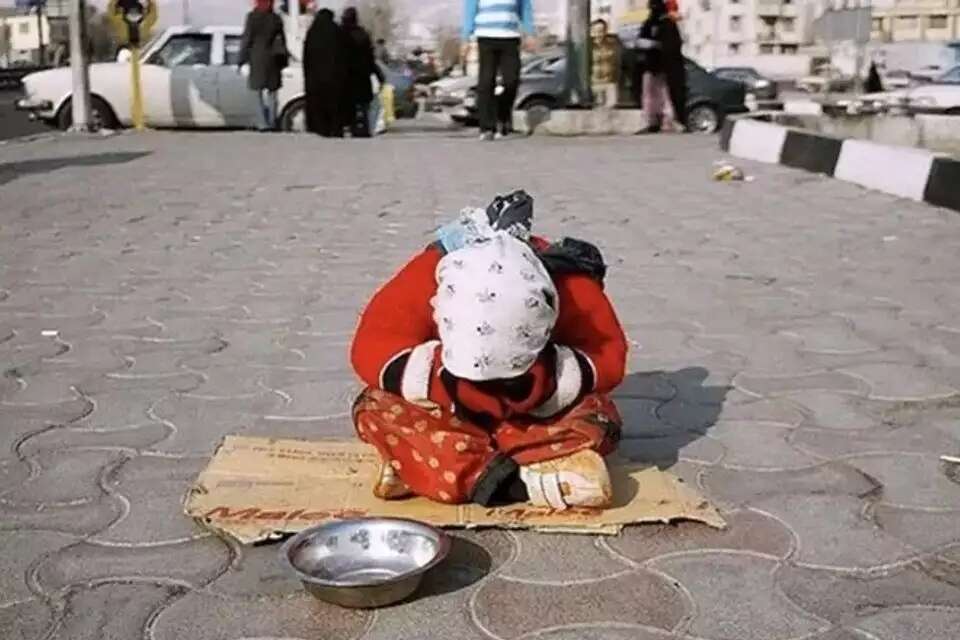
As unemployment and wage cuts batter the productive sector of Iranian society, massive inflation is hitting the pockets of all residents of the country. The opposition-affiliated Iran International news network reported a 400% increase in the price of some medicines in the country. Mehdi Zamatkesh, head of the pharmacists' association in Razavi Khorasan Province, warned that medicine prices in the country had jumped by between 20% and 400% during the months of the war.
"Given the 20% to 400% increase in medicine prices, and the 500 billion to 4 trillion rial shortfall owed to private pharmacies by insurance companies, they have encountered difficulties in supplying medicines to patients in critical condition," the head of the pharmacists' association said. He added that many patients were being forced to forgo medicines and treatments.
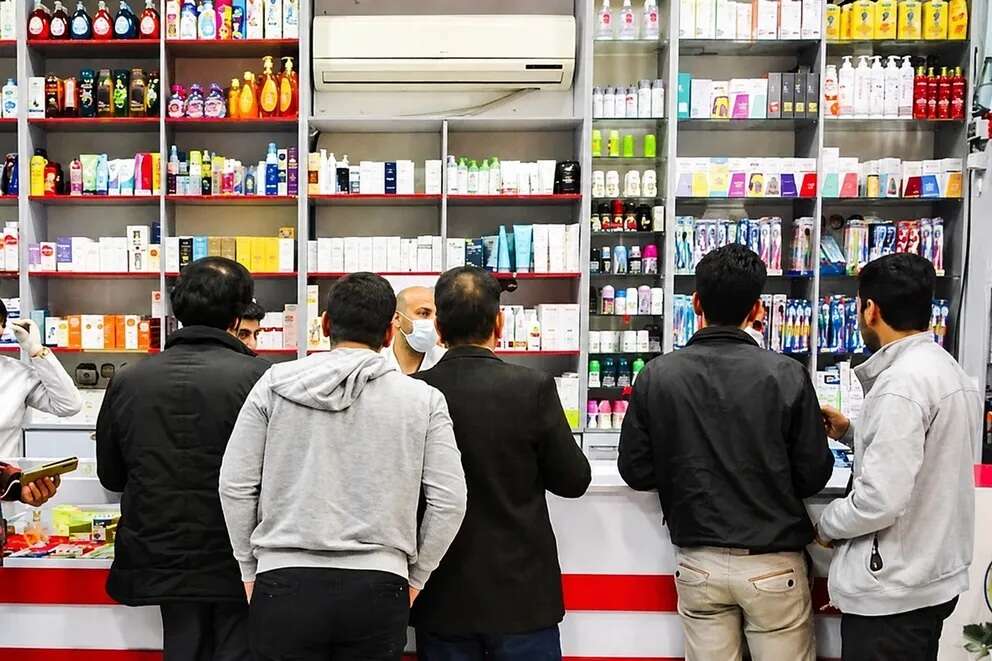
A pharmacist in Tehran told Iran International: "There are patients who do not take the medicine and leave when they hear the price of the prescription." According to him, in recent weeks there have been many cases of patients canceling or reducing their medication intake because they could not afford it.
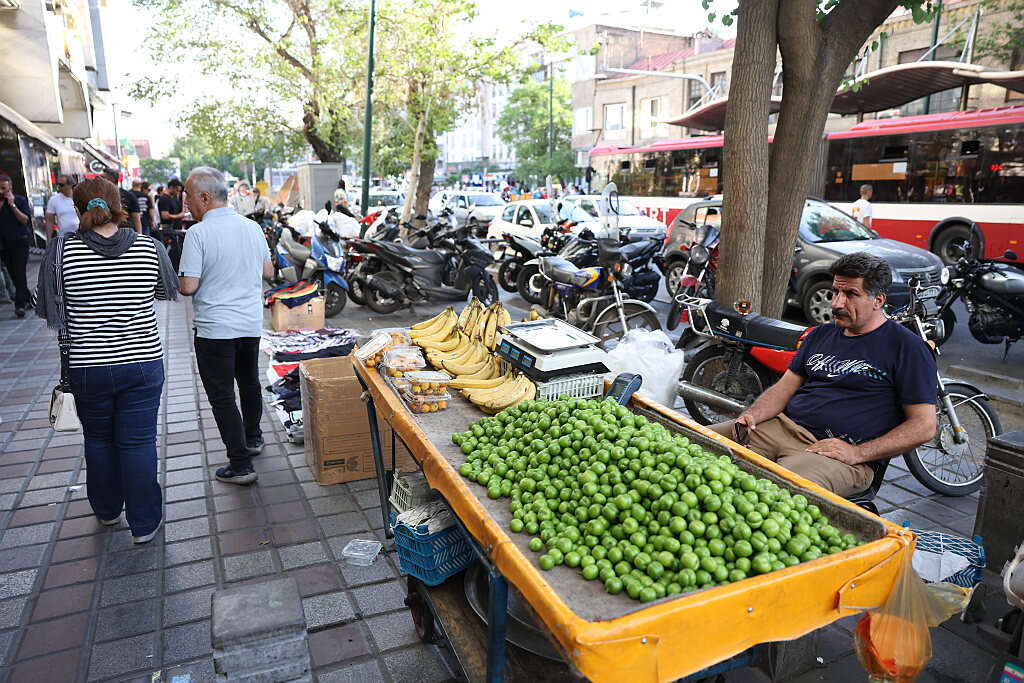
Inflation is also continuing to race ahead in the food sector. Food prices in the Iranian market have risen by 200% over the past year for some products, and there is a desperate shortage of price-controlled goods. An Iranian citizen involved in the food distribution industry, referring to the daily rise in prices, told Iran International that the price of a can of tuna had reached 350,000 tomans (around 15 shekels), and that people and traders could no longer afford to buy it.
The price of 1 kilogram of frozen chicken is around 290,000 tomans, while beef or veal costs about 1,540,000 tomans, an increase of more than 200% since the beginning of the year. An Iranian citizen told the news network that a family breakfast, including cheese, milk, sugar and a few eggs, costs around half a million tomans, compared with only a few tens of thousands last year.
Arrests and executions
Amid Iran's economic collapse, the regime's repression efforts are only intensifying. Media outlets in the country regularly report the executions of citizens convicted of spying or collaborating with the US and Israel.
Today, the regime-affiliated Mizan news agency reported the execution of political prisoner Erfan Shakourzadeh, who was arrested on charges of "collaboration with the US intelligence service and the Mossad spy service."
Mizan wrote that, according to the case file, Shakourzadeh had been recruited "as a project," and that his expertise had been provided by one of the important scientific organizations active in the satellite field. The report did not name this scientific institution. The regime-loyal news agency also claimed, without providing documents or evidence, that Shakourzadeh had provided "classified information" to "enemy services." Shakourzadeh was arrested by the Islamic Revolutionary Guard Corps intelligence service in February 2024 on charges of "spying and collaborating with hostile countries." He was said to have been held in solitary confinement for nine months.

Alongside its crackdown on regime opponents, the authorities are increasing pressure on religious groups deemed undesirable. Iran International revealed that Islamic Revolutionary Guard Corps personnel had arrested dozens of members of the Baha'i faith in recent weeks. The religion originated in Iran, and is considered illegal in the country.
The Baha'i International Community warned in a statement on May 1 that two members of the community had been subjected to torture, beatings, electric shocks, deprivation of food and water, and mock executions to force them to confess to charges they had not committed.
The Baha'i International Community stressed that the two were at risk of execution. At the same time, several other Baha'i citizens have been arrested in recent weeks and temporarily released after paying heavy bail.