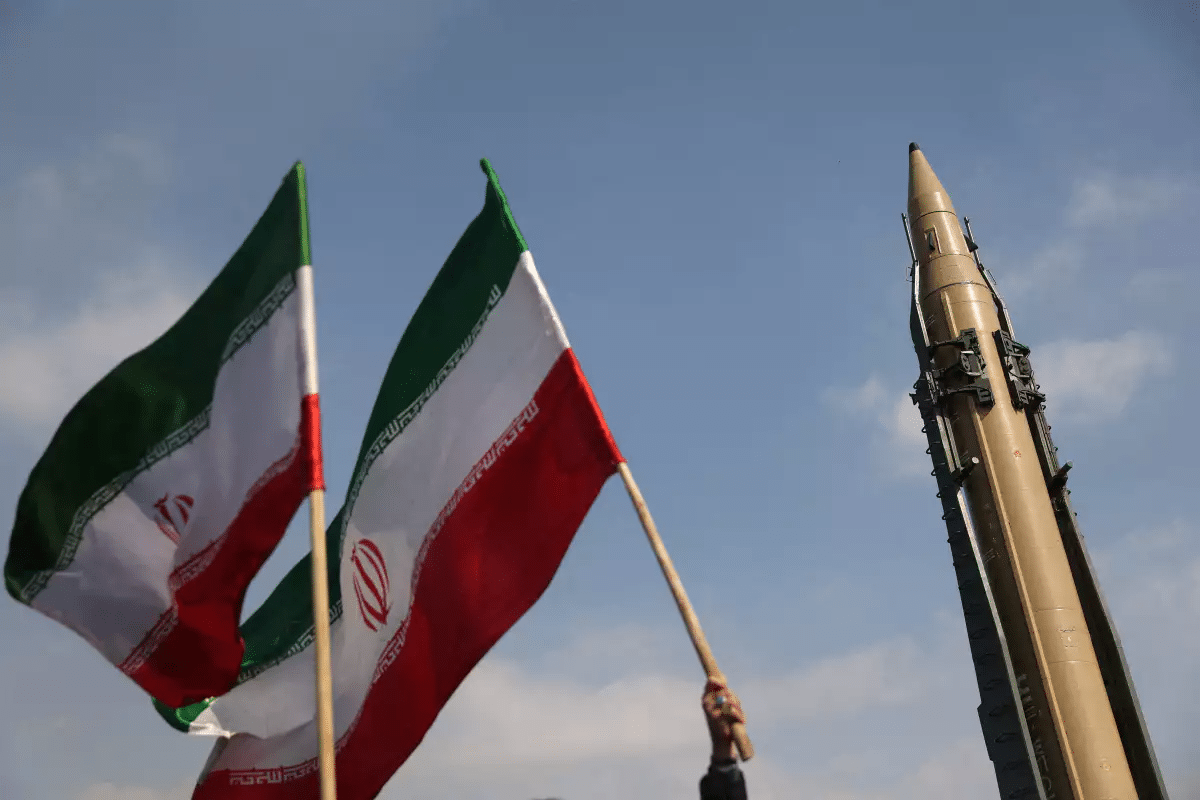
New US intelligence assessments say Iran retains significant missile capabilities and currently has operational access to 30 of its 33 missile sites along the Strait of Hormuz, according to a report published by The New York Times. The figure has raised concern among US officials over the threat to American warships and oil tankers passing through the strategic shipping lane.
According to the classified assessments, which were presented to US administration officials earlier this month, Iran has managed to regain access to most of its missile sites, launchers and underground facilities, in direct contradiction to the Trump administration's public portrayal of the Iranian military as "crushed" and no longer a threat.
Officials familiar with the assessments said that at most of the sites, which sustained varying levels of damage, the Iranians are able to use mobile launchers inside the compounds, move missiles to other sites and even fire them directly from the launch pads. According to the assessments, only three missile sites in the Strait of Hormuz remain completely inaccessible.

The assessments also found that Iran has retained about 70% of its mobile launchers across the country, as well as about 70% of the missile stockpile it had before the war. That includes ballistic missiles capable of striking Israel and other countries in the region, as well as a smaller stockpile of short-range cruise missiles for use against land and naval targets.
Military intelligence officials also reported, based on information from multiple sources, including satellite imagery and other surveillance tools, that Iran has regained access to about 90% of its underground storage and launch facilities across the country. According to the assessments, those facilities are now considered "partially or fully operational."
Contrary to Trump's claims
The findings contradict months of public statements by US President Donald Trump and Defense Secretary Pete Hegseth, who claimed that Iran's military had been "destroyed" and no longer posed a threat.
On March 9, 10 days after the start of the war, Trump told CBS that "Iran's missiles are scattered all over the place" and that the country had "nothing left militarily." On April 8, Hegseth said at a Pentagon news conference that Operation Epic Fury, the joint US-Israeli campaign launched on February 28, had "crushed the Iranian military and made it unfit for combat for years to come."
However, the new intelligence assessments were compiled less than a month after that news conference.

White House spokeswoman Olivia Wales was asked about the assessments and said the Iranian military had been "crushed." She said the Iranian regime knew that "its current reality is not sustainable," and that anyone who thinks Iran has managed to rebuild its military is "either delusional or a mouthpiece for the Revolutionary Guards." Wales also referred to a social media post by Trump in which he argued that merely saying Iran was succeeding militarily amounted to "virtual treason."
Acting Pentagon spokesman Joel Valdez attacked media coverage of the war, saying, "It is disgraceful that The New York Times and other media outlets are acting as publicists for the Iranian regime in an effort to portray Operation Epic Fury as anything other than a historic achievement."
According to the new assessments, Trump and his military advisers overestimated the extent of the damage the US military could inflict on Iranian missile sites and underestimated Iran's resilience and ability to recover.
Collapse of the ceasefire?
The findings also illustrate the dilemma Trump would face if the fragile monthlong ceasefire collapses and fighting resumes. According to the report, the US military has already significantly depleted its stockpiles of critical munitions, including Tomahawk cruise missiles, Patriot interceptors, Precision Strike missiles and ATACMS, while intelligence assessments conclude that Iran still retains substantial military capabilities, especially near the Strait of Hormuz.
The Strait of Hormuz accounts for about one-fifth of the world's daily oil consumption, and the US Navy currently maintains an almost continuous presence there. According to US Central Command, more than 20 American warships are taking part in enforcing the blockade on Iran.
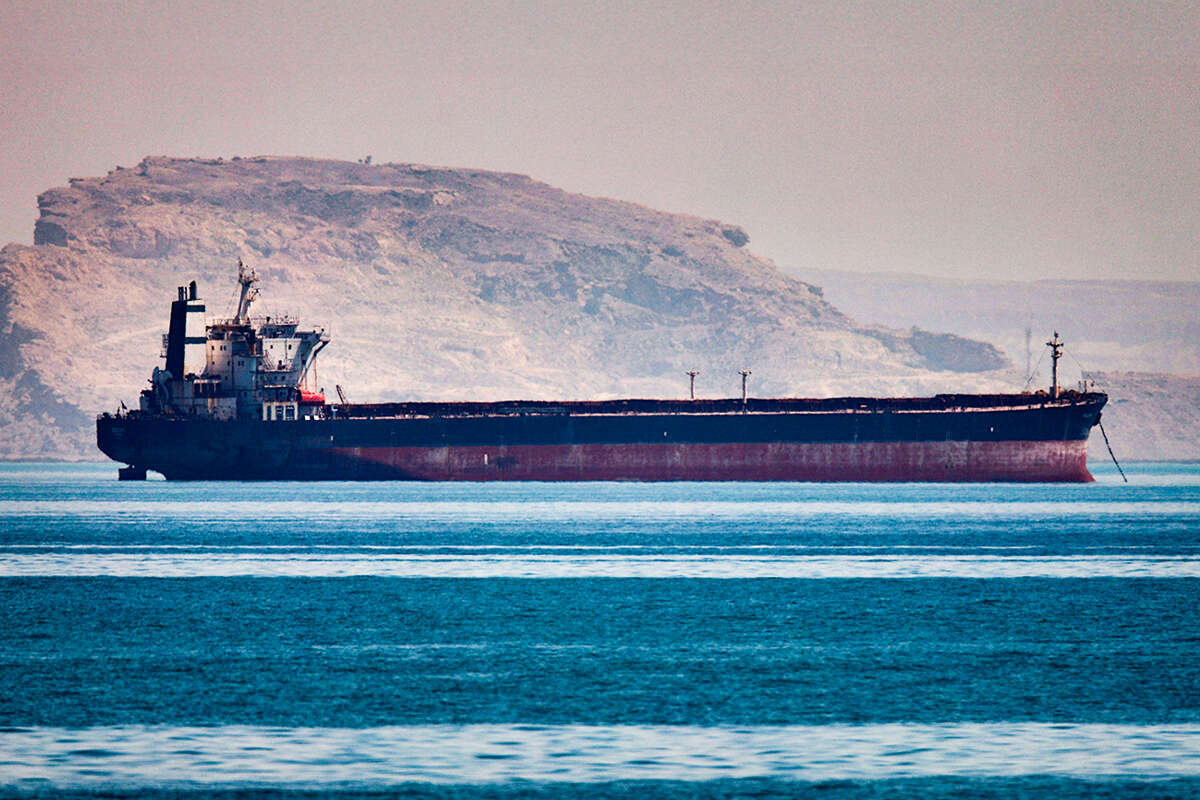
If Trump orders renewed strikes aimed at damaging Iran's remaining capabilities, the US military would have to use more and more munitions from existing stockpiles, a step that could further deepen shortages at a time when the Pentagon and US arms manufacturers are struggling to increase production rates.
Trump and his advisers have repeatedly denied that US munitions stocks have been depleted to dangerous levels. Senior Pentagon officials have delivered similar messages to concerned European allies, which have purchased US munitions for Ukraine and fear their delivery could be delayed because of Washington's need to replenish its own stockpiles.
Gen. Dan Caine, the chairman of the Joint Chiefs of Staff, told a hearing of the House Appropriations Committee this week that "we have enough munitions for everything required of us right now."
Regional countries concerned
The New York Times report noted that the joint US-Israeli campaign caused significant damage to Iran's defense systems and damaged or destroyed many strategic sites across the country. Many senior Iranian officials were killed, and the Iranian economy is under heavy pressure because of the war, raising questions about Tehran's ability to maintain its hard line on ending the fighting and continuing to halt the movement of oil tankers and other vessels through the Strait of Hormuz.
Still, the fact that Iran managed to preserve a large share of its military capabilities has heightened concerns among US allies over whether the war was necessary and has also drawn criticism from Trump's isolationist supporters, who opposed involvement in the conflict from the outset.
According to the report, one of the main reasons some Iranian facilities survived lies in a tactical decision made by US military commanders during the strikes. Because of limited stocks of bunker-buster bombs, the Pentagon in some cases chose to seal the entrances to facilities rather than attempt to completely destroy the sites and all the missiles inside them.
US officials said bunker-buster bombs were used against some underground facilities, but military planners had to proceed carefully because of the need to preserve a certain stockpile for possible conflicts with China and North Korea.
According to the report, during the war the US used about 1,100 long-range stealth cruise missiles, almost its entire remaining stockpile. In addition, more than 1,000 Tomahawk missiles were fired, 10 times the number the Pentagon purchases in an average year, as well as more than 1,300 Patriot interceptors, an amount equal to more than two years of production at the current pace.
According to the assessments, replenishing those munitions stockpiles is expected to take years, not months. Lockheed Martin currently produces about 650 Patriot missiles a year and has announced plans to increase production to 2,000 a year, a target senior US defense officials acknowledge will be difficult to achieve quickly, mainly because of constraints in rocket motor production.
Pentagon spokesman Sean Parnell said the US military "has everything it needs to carry out its missions," and that US forces had "successfully carried out several operations in various arenas while maintaining a deep arsenal of capabilities to defend the American people and their interests."