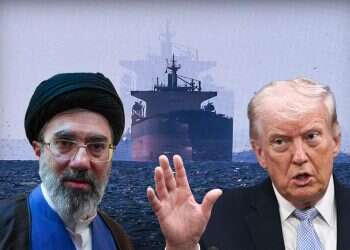
Is one of Israel's most bitter rivals in the Middle East on a path to economic collapse? The New York Times devoted a lengthy report to Qatar's dire economic situation, whose natural gas industry has been devastated by Tehran's strikes.
For Doha, the closure of the Strait of Hormuz has meant that virtually no gas has left Qatar's shores for more than two months. The country has also been cut off from the shipping lanes through which it imports everything from vehicles to agricultural produce. Fears of regional instability have hammered tourism and eroded business sentiment.
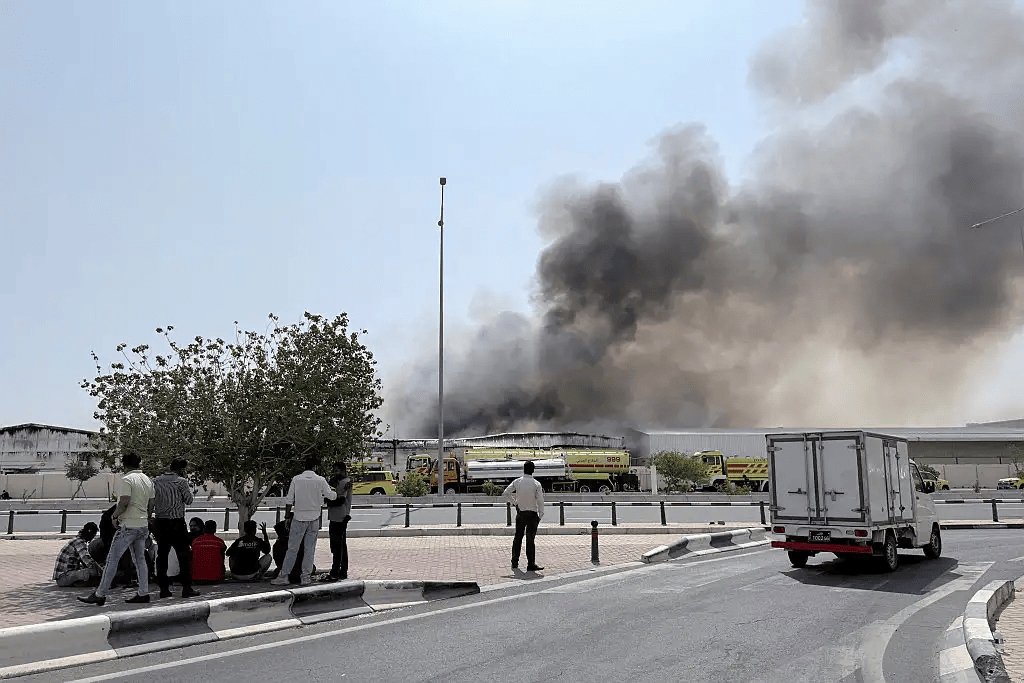
Ras Laffan, Qatar's industrial hub for gas production, has shut down, with roads blocked. At the vast Hamad Port south of Doha, loading cranes have fallen idle. Across the capital, hotels and boutiques sit in conspicuous silence. Qatar's growth forecasts have been slashed against the backdrop of the halted trade in liquefied natural gas (LNG).
For Qatar, gas shipments are "nothing short of foundational," Ahmad Halal, a senior director at the strategic consultancy Asia Group, said in a recent interview in Doha. "Nothing you see here would have been possible without the energy wealth," he added. "That is why Qatar is falling very quickly into a very challenging fiscal position."
Qatar's economic transformation began in the 1990s. The country made a massive bet on super-cooling gas from the North Field to -162°C (-259.6°F). That process converted the fuel into liquid form, allowing Qatar to bypass regional pipelines and ship gas to every corner of the globe.
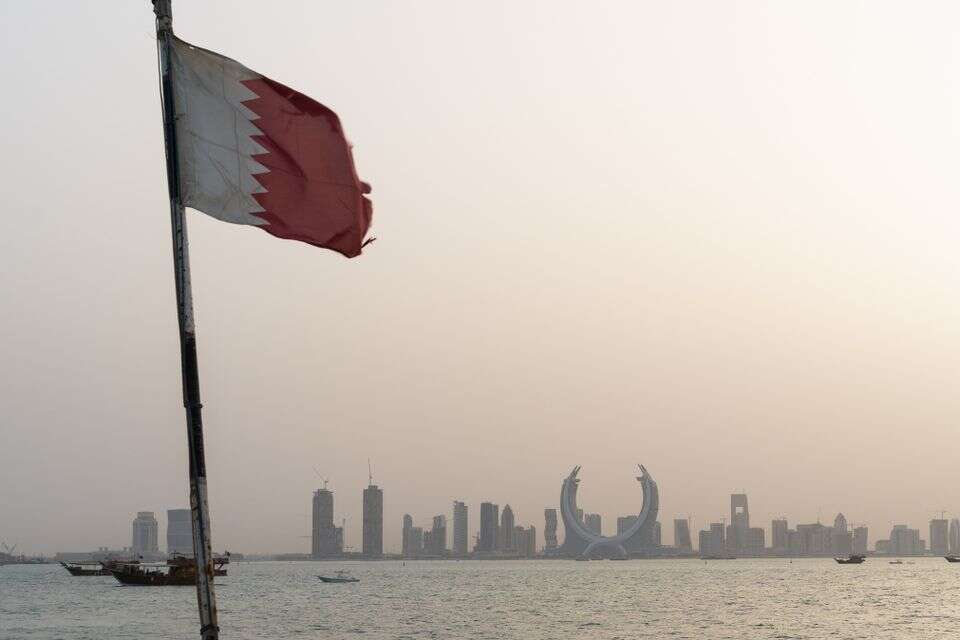
It was the birth of an energy superpower. Qatar's production capacity – which started with a first shipment of 60,000 tons to Japan in 1996 – surged to 77 million tons by 2010. For most of the following decade, Qatar was the wealthiest country in the world on a per-capita basis. At the end of February, a significant portion of that activity ground to a halt. Unlike its neighbors, Saudi Arabia and the United Arab Emirates, which have pipelines that can bypass the Strait of Hormuz, Qatar is geographically trapped behind the waterway.
Qatar is hemorrhaging billions of dollars
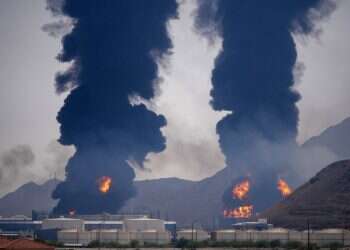
Within 24 hours of the Iranian blockade, state energy giant QatarEnergy announced it could not meet its contractual obligations. Two weeks later, Iranian missiles and drones struck Qatar's Ras Laffan facility, damaging critical equipment and causing a 17% drop in Qatar's production capacity.
The damage means that even if the strait reopened tomorrow, it would take years to return to pre-war output levels. Analysts estimate that QatarEnergy has already lost billions of dollars since the war began, and for every day the strait remains closed, the country hemorrhages hundreds of millions more in lost sales and cargo lease fees.
The International Monetary Fund projects that Qatar's economy will contract by 8.6% this year before recovering in 2027. For countries like Qatar, every day the strait stays shut darkens the forecast even further, said Pierre-Olivier Gourinchas, the IMF's (International Monetary Fund's) chief economist, at a recent briefing.
Foreign talent
The war has exposed another layer of vulnerability. As part of a long-running effort to diversify beyond fossil fuels, Qatar has tried to reposition itself as a tourism destination and a hub for international business and finance.
In 2019, Qatar abolished the requirement for foreign companies to maintain local partners, while the state began subsidizing luxury hotel stays for transit passengers. From Formula 1 to fencing tournaments, residents say barely a month passed before the war without a major international sporting event.
Since the war began, however, the number of international visitors to Qatar has plummeted amid travel warnings from the United States and other governments. Many multinational companies, fearing regional instability, have sent employees abroad. In March, the World Travel & Tourism Council estimated that the Middle East was losing $600 million a day in tourism revenue.
Economists had projected that even if gas revenues disappeared for years, Qatar's deep pockets would allow it to keep paying salaries and sustaining essential services. S&P Global Ratings, which maintained Qatar's sovereign rating this month, cited the country's "considerable accumulated fiscal and external assets."
At the same time, authorities have been pressuring international companies to return to prevent a flight of capital and foreign talent. The concern is that if companies are allowed to collapse, the country's largely expatriate workforce could vanish rapidly, Halal of Asia Group told The New York Times.
"If there is an outward migration, then that starts to become quite frightening," Halal said. To date, Qatari authorities have "done a good job of projecting calm and managing the fallout," he said. "But has a large fiscal gap been created? Absolutely," Halal added. "It really depends on how long the strait stays closed."