Students from Egypt, Japan, Brazil, and a dozen other countries joined over 9000 competitors in Tel Aviv University's Hebrew Language Olympiad this year, pushing the fifth annual competition to its highest enrollment on record. The annual competition drew 9,286 students in 2026 – up from 5,668 the previous year – with overseas participation jumping from roughly 200 to 800.
Organized through Tel Aviv University's Department of Hebrew Language and Semitic Linguistics, the Olympiad engages participants with unconventional linguistic tasks – among them puzzles based on ancient Semitic languages, code-breaking exercises, and challenges centered on word meanings and idioms.
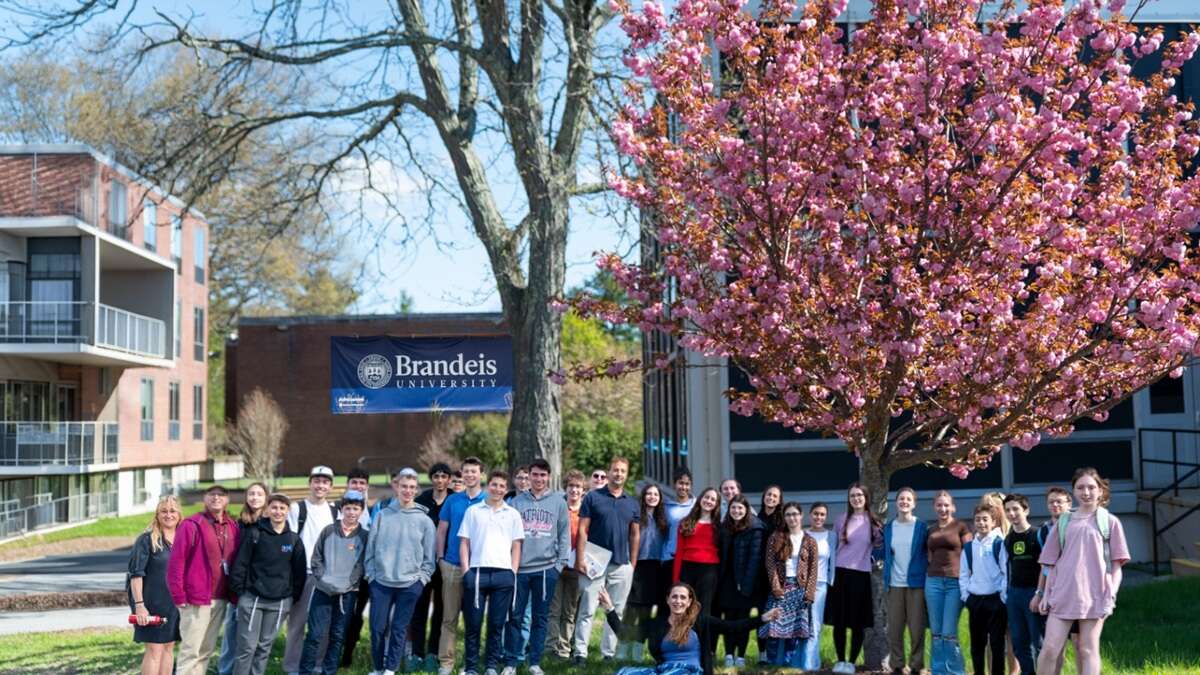
The international component, developed in partnership with Brandeis University's Consortium for the Teaching of Hebrew Language and Culture, drew competitors from 14 countries – including Hong Kong, Brazil, Egypt, Japan, Canada, Singapore, Russia, and the Netherlands. A two-stage format – online qualifying rounds leading to in-person finals at Tel Aviv University and affiliated institutions – structured the global competition.
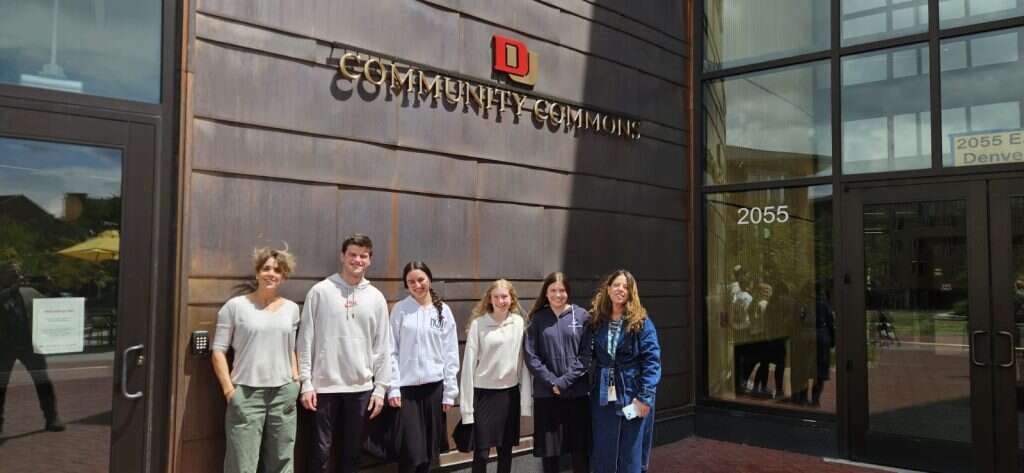
Designed to motivate achievement and deepen engagement with Hebrew culture among diaspora youth, the overseas track drew participants who largely acquired Hebrew outside formal Israeli schooling – through supplementary education, youth movements, family environments, and community frameworks.
Milette Shamir, Vice President for International Affairs at Tel Aviv University, said: "The Hebrew Olympiad continues to reveal the remarkable curiosity, enthusiasm, and sense of connection that the Hebrew language inspires among young people around the world, bringing together Jews and Arabs in Israel alongside learners and lovers of Hebrew across the globe. Through the Olympiad, participants are exposed not only to the richness of modern Hebrew but also to dimensions of the language not always encountered in the classroom, including its origins, its place within the Semitic linguistic sphere, and its role within the broader family of world languages. At the same time, the program fosters creativity, intellectual curiosity, and original thinking, deepening participants' engagement with Hebrew as a living, evolving language and as a cultural bridge connecting communities and generations worldwide."

Professor Vardit Ringvald, Director of the Consortium for the Teaching of Hebrew Language and Culture at Brandeis University, described the Olympiad's broader significance: "The Hebrew Language Olympiad is a unifying force that brings together speakers and learners of the Hebrew language around the important mission of promoting Hebrew in Israel and around the world. It fosters cultural connection, intellectual curiosity, and a shared appreciation for one of the world's oldest and most historically rich languages, inspiring new generations to engage with Hebrew in creative and meaningful ways."
International-track finalists will be named later this week, with all overseas participants set to receive certificates, prizes, and formal recognition at a June 2026 awards ceremony at Tel Aviv University.