On June 18, 1996, when Benjamin Netanyahu first entered the Prime Minister's Office after defeating Shimon Peres, the central patterns that shaped Washington's relations with Jerusalem had long since taken form and become firmly established. These patterns rested on two axes, and the nature of the links between them defined the essence, character and direction of the relationship.
The first was the strategic axis, which from the American perspective was anchored in the range of diplomatic and strategic interests and goals that US administrations sought to advance across the Middle East.
For Israel, the strategic axis, which stood at the center of Israeli thinking and conduct from the state's establishment until Oct. 7, 2023, was based on giving absolute priority to preserving and advancing its vital security interests, as perceived by its leaders, over every other consideration, whether diplomatic or domestic political.
The second axis reflected an entire set of beliefs, sentiments and bonds prevalent among broad groups and audiences in the American public. It derived from the sense that Israeli society, at least in its early years, was a distilled reflection and perfect copy of the American ethos and heritage. This was based, among other things, on Israel being a dynamic and pioneering entity, which, much like the American frontier ethos, was determined to confront every challenge through entrepreneurial, energetic and daring action.
This was how the pattern of the "special relationship" took shape, generating for many years "conditions of affection," empathy and goodwill toward Israel among the American public on both sides of the US political divide. These conditions often made it difficult for US administrations to use levers of pressure against Israeli governments when American goals and interests clashed with Israel's policies and actions, especially on the Palestinian issue.
When Netanyahu began his first term as prime minister, then, he did not enter a cognitive or conceptual vacuum. The nature of the basic patterns was clear to him as he began navigating within them. Strategically, he even arrived at a finished product, since the residue of the first, gloomy and confrontational decade in US-Israel strategic and diplomatic relations had long since faded into oblivion.
Netanyahu therefore found himself inside an institutionalized, broad and deep strategic partnership that had undergone constant upgrades since it was launched in 1962. The president with whom he worked, Bill Clinton, also displayed deep sympathy for Israel, both on strategic grounds and on values-based grounds that reflected the essence of the "special relationship."
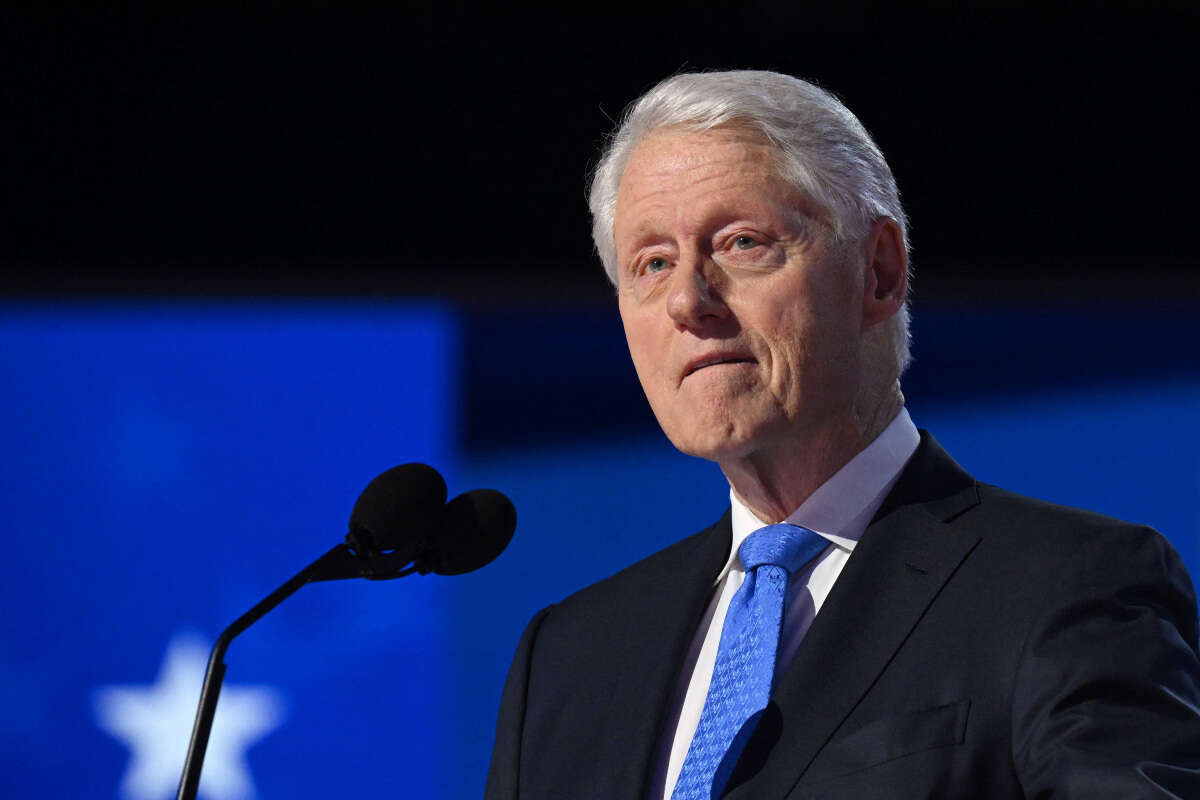
Yet precisely at this juncture, when the two patterns seemingly intersected, even if not perfectly, and gave Israel a double protective safety net, a process of erosion began to be revealed in both of them, and especially in the values-based axis. On the strategic level, Netanyahu's decision to freeze implementation of the Wye River Memorandum, signed on Oct. 23, 1998, and to avoid transferring 13% of Judea and Samaria to the Palestinian Authority, as agreed at Wye as a derivative of the second Oslo agreement of September 1995, left Clinton angry and frustrated. It also left him with a residue of distrust toward the prime minister, which intensified further after he was informed that Netanyahu had established, behind his back, a bypass diplomatic channel for contacts with Damascus.
But the chill on the strategic and personal levels during the Clinton era was only the tip of an iceberg that already threatened, at that time, to inflict a fatal blow on the axis of the "special relationship." Until then, that relationship had provided Israel with a sturdy defensive wall through the organizations and institutions that identified with its components, including Congress, which often blocked administration efforts to force Israel into moves perceived as contrary to its positions. Specifically, during the first three years of Netanyahu's leadership, which ended on July 6, 1999, after his defeat by Ehud Barak in the direct election for prime minister, the erosion that had begun to appear, sporadically and sometimes even covertly, in the 1980s in the values-based foundation of the "special relationship" came sharply to the surface.
Indeed, in the 1990s, the traditional consensus of unconditional support for Israel shattered. One of its most prominent expressions was the accelerated disengagement of central streams in the Jewish community, mainly among younger members of the Reform movement, from their religious and Jewish heritage and from their connection to Israel.
The trend was also fueled by accelerated assimilation in the community, Knesset legislative initiatives on the explosive issues of "Who is a Jew" and the conversion bill, which stemmed from coalition considerations that remain valid to this day, and growing criticism from the liberal wing of the community and of the Democratic Party in view of what was perceived as Netanyahu's unwillingness to advance an Israeli-Palestinian agreement.

There is no disputing that Netanyahu was not solely responsible, or even primarily responsible, for these deep processes among the representatives of the "special relationship," such as the trend of assimilation. Nevertheless, he tied his fate to the Orthodox stream in American Judaism and disconnected from the liberal wing of the community and the Democratic Party. His support, which later in his career became increasingly explicit and open, for the Republican camp and its leaders completely broke the legacy of cooperation and friendship with all the ethnic and ideological layers of American society and politics, and created growing alienation toward Israel inside the Democratic Party.
A decade later, on March 31, 2009, Netanyahu returned from the political desert to the Prime Minister's Office and served continuously until June 13, 2021. A bitter surprise awaited him there in the person of President Barack Obama, who had been sworn in only two months before Netanyahu was elected prime minister. Indeed, Obama's eight years in the Oval Office were a challenging period filled with crises and confrontations with Netanyahu.
Obama set the course already on his first visit to the Middle East, when he skipped Israel. Its highlight was the "Cairo speech," which he delivered in the Egyptian capital on June 4, 2009. Not only did he extend an embracing hand to the ayatollahs' regime in Iran and apologize deeply for US involvement in the August 1953 ouster of Iranian Prime Minister Mohammad Mossadegh, he also called for replacing discourse about the struggle against the "axis of evil" with conciliatory and respectful dialogue with Islam, which he said had made an enormous contribution to Western culture. The emphasis he placed on the need for an immediate freeze on settlement activity in Judea and Samaria and the establishment of a Palestinian state was soon translated into real pressure on Jerusalem in the form of an initiative for an arrangement in the Palestinian arena, under which Israel was required to impose a sweeping freeze on settlement activity in Judea and Samaria.
Although Netanyahu was forced to agree in principle to the "freeze framework" for 10 months, this did not prevent the severe series of crises that broke out in 2010 between him and the White House over continued construction in east Jerusalem. Although these crises were not accompanied by economic or diplomatic sanctions during Obama's first term, they cast a heavy shadow over relations between Jerusalem and Washington.
But all of this was only the opening act for the most severe crisis, which erupted in the summer of 2015 against the backdrop of Obama's determination to sign the nuclear agreement with Iran. In an attempt to thwart the agreement, Netanyahu appeared on March 3, 2015, before both houses of Congress and delivered a sharp and defiant speech against the agreement's weaknesses and flaws.
The confrontational visit to Congress, which was not coordinated in advance with the top levels of the administration, did not achieve its goal, and on July 14, 2015, the Vienna agreement was signed. The event drove relations to an even deeper low, and the White House's response was to cut the 10-year military aid package to Israel, beginning in 2019, and to deliver a particularly painful "parting gift" in the form of the precedent-setting decision in December 2016 not to veto UN Security Council Resolution 2334, which determined that the establishment of settlements in Judea and Samaria, including east Jerusalem, had no legal validity.
At the same time, the clearest expression of the continued decline of the "special relationship" pattern was the absence of any meaningful protest by its traditional representatives against the president's policy, and the support of most of the Democratic caucus in the Senate for the nuclear agreement. Israel in the Obama era was therefore left exposed and without a safety net in the face of his confrontational moves.
Donald Trump's entry into the White House on Jan. 20, 2017, opened a new and far more conciliatory chapter between the president and the prime minister, but it did not slow the collapse of the "special relationship" pattern. Netanyahu's support for candidate Trump was open and explicit, standing in contrast to Israel's traditional policy of relying on a broad bipartisan base of support.

On the other hand, Trump shaped a clearly pro-Israel policy that reflected his aspiration to preserve and strengthen his evangelical support base, his desire to distinguish himself as much as possible from Obama's policy on every front, including the Palestinian arena, and his deep sympathy for the Zionist enterprise. The main milestones along this supportive path were the White House's December 2017 decision to formally recognize Jerusalem as Israel's capital and move the US Embassy there, its August 2018 decision to withdraw from the UN Human Rights Council because of its hostile positions toward Israel, and its March 2019 decision to recognize Israeli sovereignty over the Golan Heights.
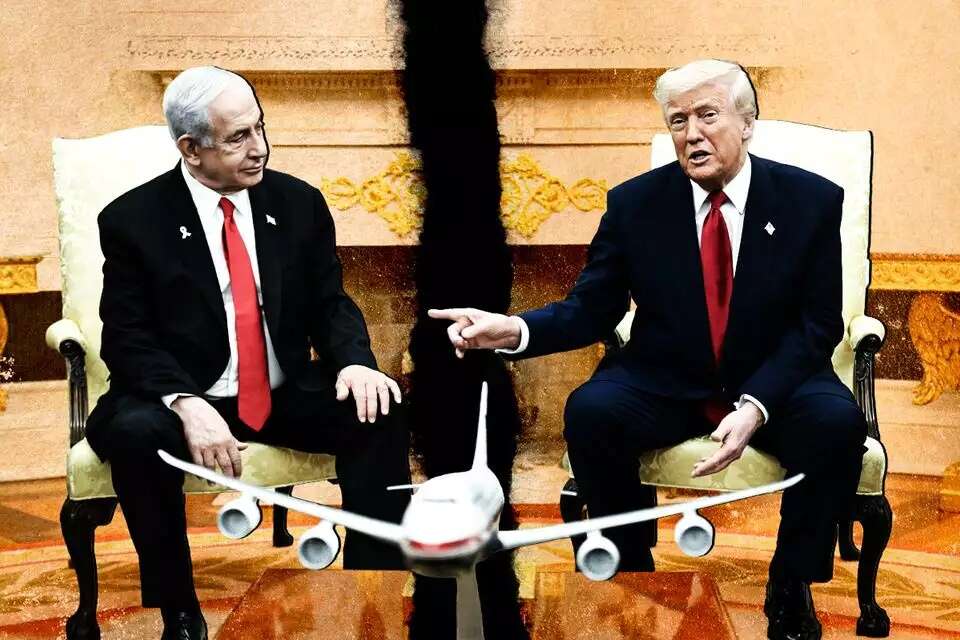
Later echoes of this approach can be seen in most of Trump's moves toward Netanyahu after he was sworn in for a second time as president on Jan. 20, 2025. But alongside the "conditions of affection" that characterized, and still characterize, his current presidency, the circumstances of the war against Hamas and on the Iranian front, together with his desire to bring them to an end, created a pattern of patron-client relations between him and the prime minister. Indeed, given Netanyahu's almost complete isolation in the international arena, he was forced to comply with the will of the American leader regarding an end to the fighting both in Gaza and in Iran, and regarding the restriction of Israel's room for maneuver on the Lebanese front.
Nevertheless, strategic, operational and intelligence cooperation between the sides remained close and continuous, and on the eve of the campaign against Iran, at least, Trump was receptive to Israel's assessments and recommendations.
As for President Joe Biden, Netanyahu served as prime minister alongside Biden for a total of two and a half years of the president's four-year term. The government of Naftali Bennett, followed by Yair Lapid, was formed on June 13, 2021, but Netanyahu returned to the Prime Minister's Office on Dec. 29, 2022, after his election victory.
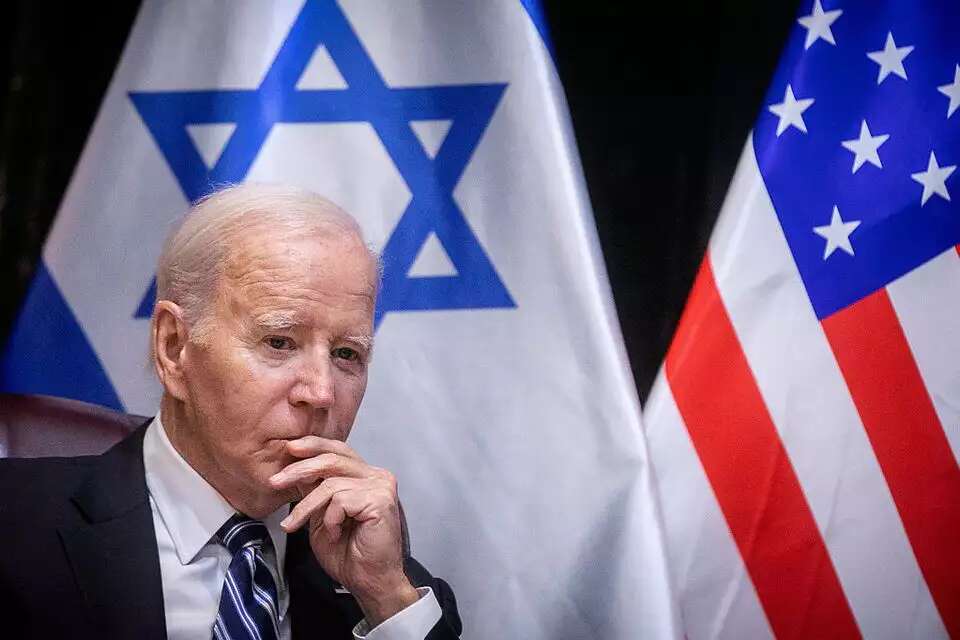
This period will forever be remembered for Biden's vigorous support for Israel immediately after the Oct. 7, 2023, massacre, and for the airlift he ordered. But it will also be remembered because of the residue of distrust Biden, who had served as Obama's vice president, retained toward Netanyahu, who more than once broke explicit promises to bring about a ceasefire on the Gaza front. That distrust led Biden to decide to temporarily freeze arms deliveries to Israel.
This challenging and painful period will also be etched into Israel's collective memory, because beyond the terrible trauma of Oct. 7, Netanyahu during the war deviated from one of the basic principles of Israel's traditional strategic pattern by effectively including political and coalition considerations in his definition of the national interest, considerations that often became primary for him.
In sum, from an overall perspective, Netanyahu succeeded in preserving, and during the Trump era even upgrading, the strategic partnership with the US. At the same time, however, he contributed to the decline of the "special relationship" pattern that had once been a solid defensive stronghold for Israel in stormy times.