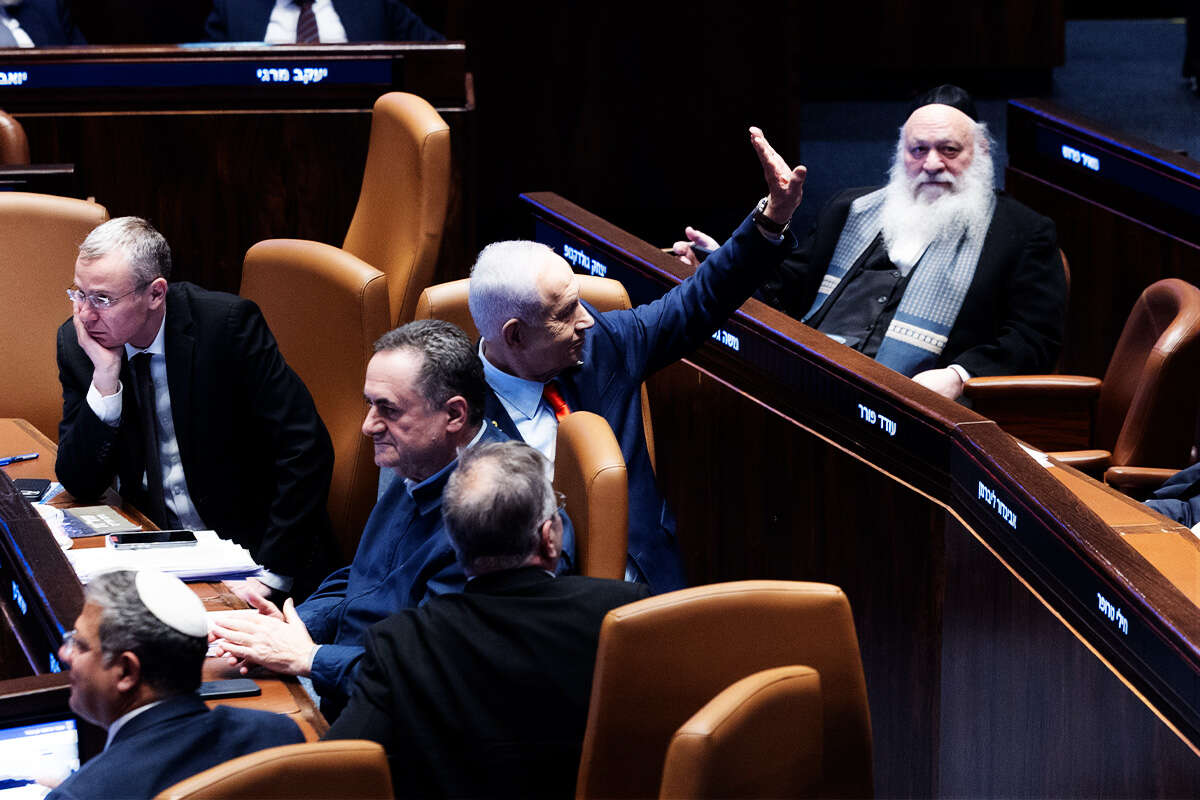
The Knesset is expected to vote Wednesday in a preliminary reading on dissolving itself, formally launching the process of moving up the upcoming Israeli legislative elections.
The vote is expected to take place in the early afternoon on two bills to dissolve the Knesset that have been submitted: one by the coalition and the other by the opposition factions.
The assessment is that the Haredi, or ultra-Orthodox parties are expected to support both bills, in order to prevent Prime Minister Benjamin Netanyahu from withdrawing the dissolution bill later on and thwarting the process of moving up the elections.
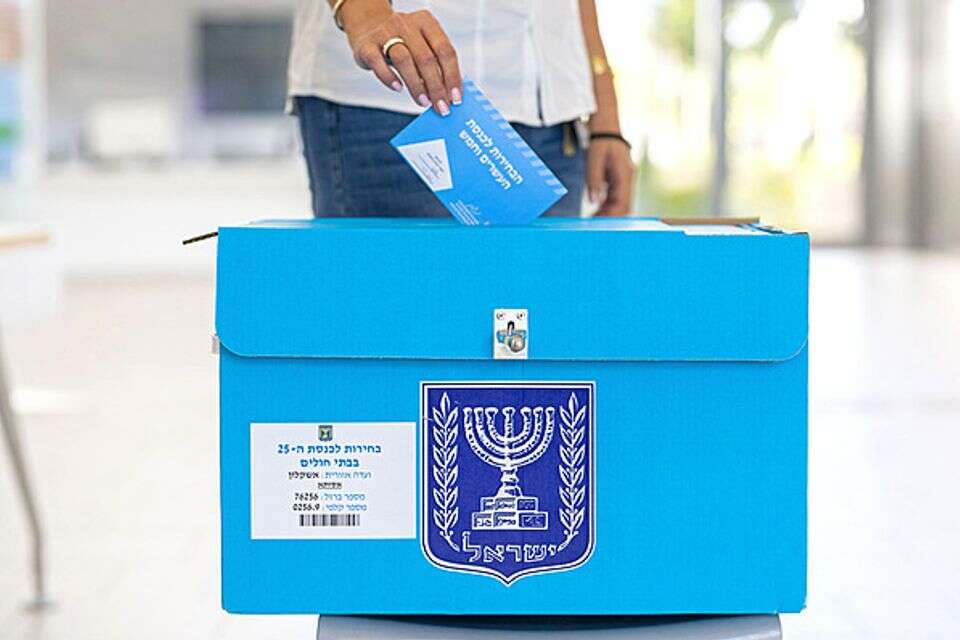
Once the first vote is approved in its preliminary reading, the bill will move to the Knesset House Committee for further handling and for setting the election date. Several dates are currently being raised in the political system, but only two appear realistic: Sept. 1 and Oct. 27.
Scenarios and conditions
The possibility of holding the elections on Sept. 15 appears to have been taken off the table, as reported by Israel Hayom last week, due to its proximity to Rosh Hashanah and Yom Kippur creates severe logistical difficulties for the Central Elections Committee in organizing the elections.
The Haredi parties have also raised the possibility of holding the elections on Oct. 6, as a kind of pointed "trolling" of Netanyahu, in an effort to hold the elections one day before the third anniversary of the Oct. 7 massacre. But the chances of that appear slim, since it would require broad support within the coalition as well.
As for Sept. 1, the Education Ministry has said more than once that it is preparing for the possibility of elections being held on the first day of the school year. The Haredi parties would like to see the elections held on that date for two reasons. The first is a desire to present a symbolic achievement in the face of their failures to pass a law exempting Haredi men from military service, namely, ostensible control over the election date. The second is the proximity to the Selichot penitential prayers and the High Holy Days, which could help "bring home" disappointed voters, especially traditional Shas voters angry over Aryeh Deri's support for draft evasion and considering voting instead for Itamar Ben-Gvir's Otzma Yehudit party.
However, in order to hold the elections on Sept. 1, the Knesset would have to dissolve itself in an expedited process within 10 days from today, since the law requires at least 90 days between the dissolution of the Knesset and the actual elections.
There is also another possibility: In about a week, it will be exactly five months before the original election date, Oct. 27. If the coalition manages to prevent the Knesset from dissolving itself until then, it could dissolve itself while still holding the elections on the original date.

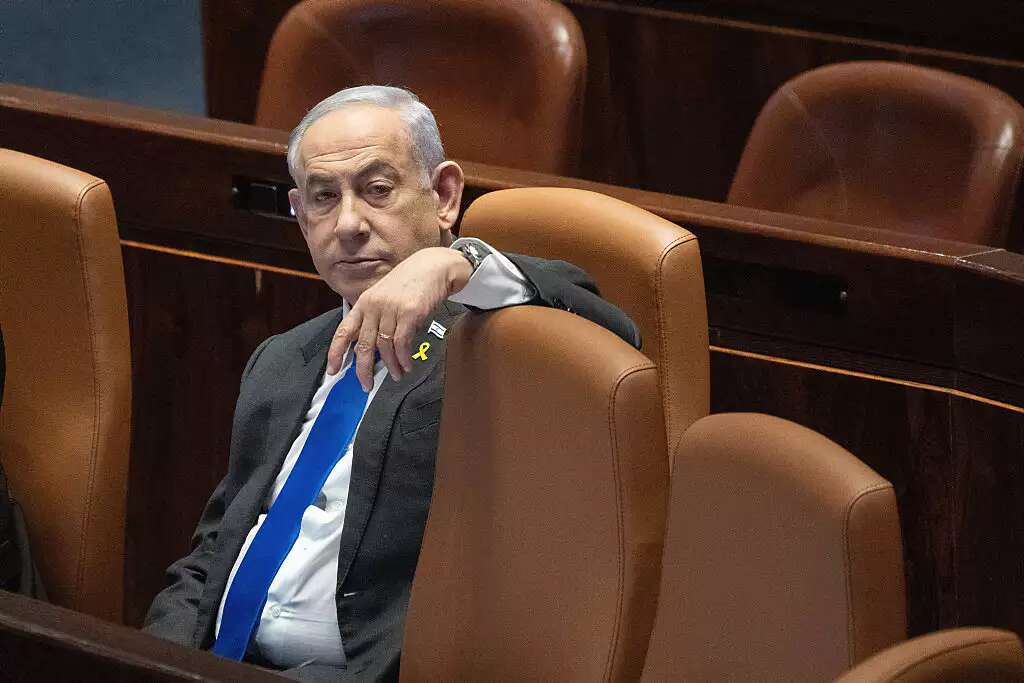
Netanyahu may choose to take this route. It would give him nearly half a year of a transitional government without the "troubles" of the Knesset. On the other hand, it would mean that Attorney General Gali Baharav-Miara could restrict his actions, because Israel would enter an election period. Either way, the answers will come in the coming days, while the possibility of another campaign against Iran could upend the entire political equation and prevent the Knesset from being dissolved earlier after all.